
Oral History Collection - 2025
These profiles were created by farmer Spencer Suffling in the summer of 2025. Spencer has been farming in the Portland area since 2013 and has become interested in documenting and sharing the stories of underappreciated leaders in the local food system.
Thank you to Teagan Moran and Oregon State University Extension for making this project possible.
It’s time to get serious about authentic community-led food systems.
I don’t think our current systems have figured out how to fairly compensate farmers and promote true food sovereignty. Limited access to land, training, resources, and support systems continue to prevent the current and next generation of farmers from thriving. Relying solely on selling vegetables is often insufficient to provide a living wage, so success is unfortunately tied to access to capital. Farmers rely on family land, generational wealth, grants, side hustles, or safety nets. All of which are unevenly distributed and inherently unstable.
In a time when many of our institutions are letting us down, many people are seeking communities of support and solidarity. We are gradually understanding that we must generate the solutions as communities and coalitions. But understanding this concept isn’t enough, we need more practice.
I think on the whole we are largely unpracticed in the arts of collaboration. We don’t always know how to communicate well, how to share resources, how to navigate alignment, conflict, and accountability. We’ve been burned by some people. Or our friends have. And we witness a pattern of harm that doesn’t face accountability or repair. We have trust issues.
The good news is that there are many, many good people who deserve our trust. They are doing the vital work of re-imagining and rebuilding our local food systems. They understand the value in relationships. They are here and now, in our community. They are often unseen, underappreciated, and under-compensated. I’ve had the privilege of meeting some of them.
-Spencer Suffling, Tanager Farm/By Hand Seeds
Rayven Settler - Hooligan Harvest
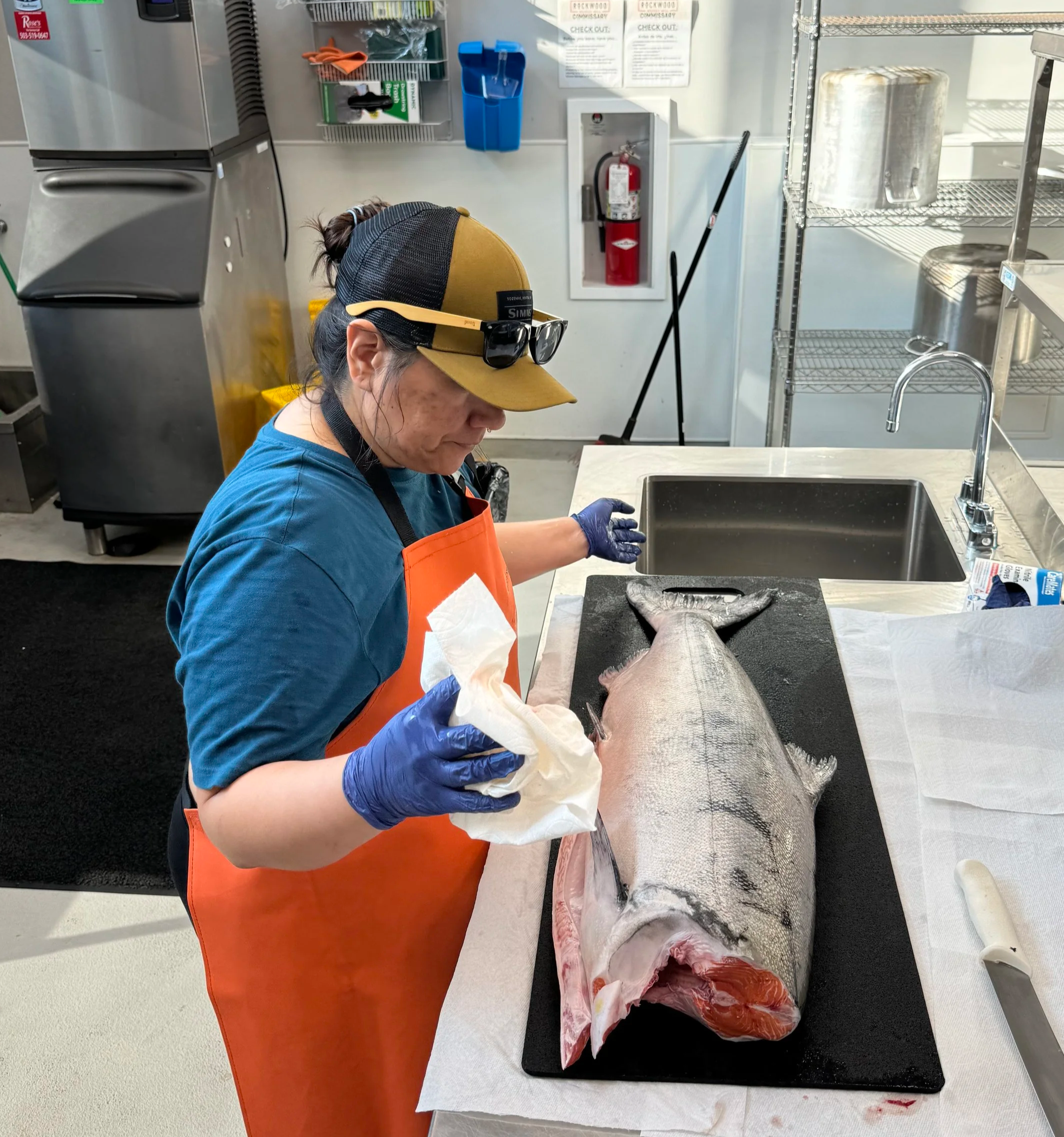
Over the years I’ve learned a lot from Rayven, about salmon, the fish industry, the Columbia River, trust, determination, and solidarity. I’m grateful for her collaboration and also for her participation in this interview. Rayven is someone who operates behind the scenes but brings many layers of value to our community and food system.
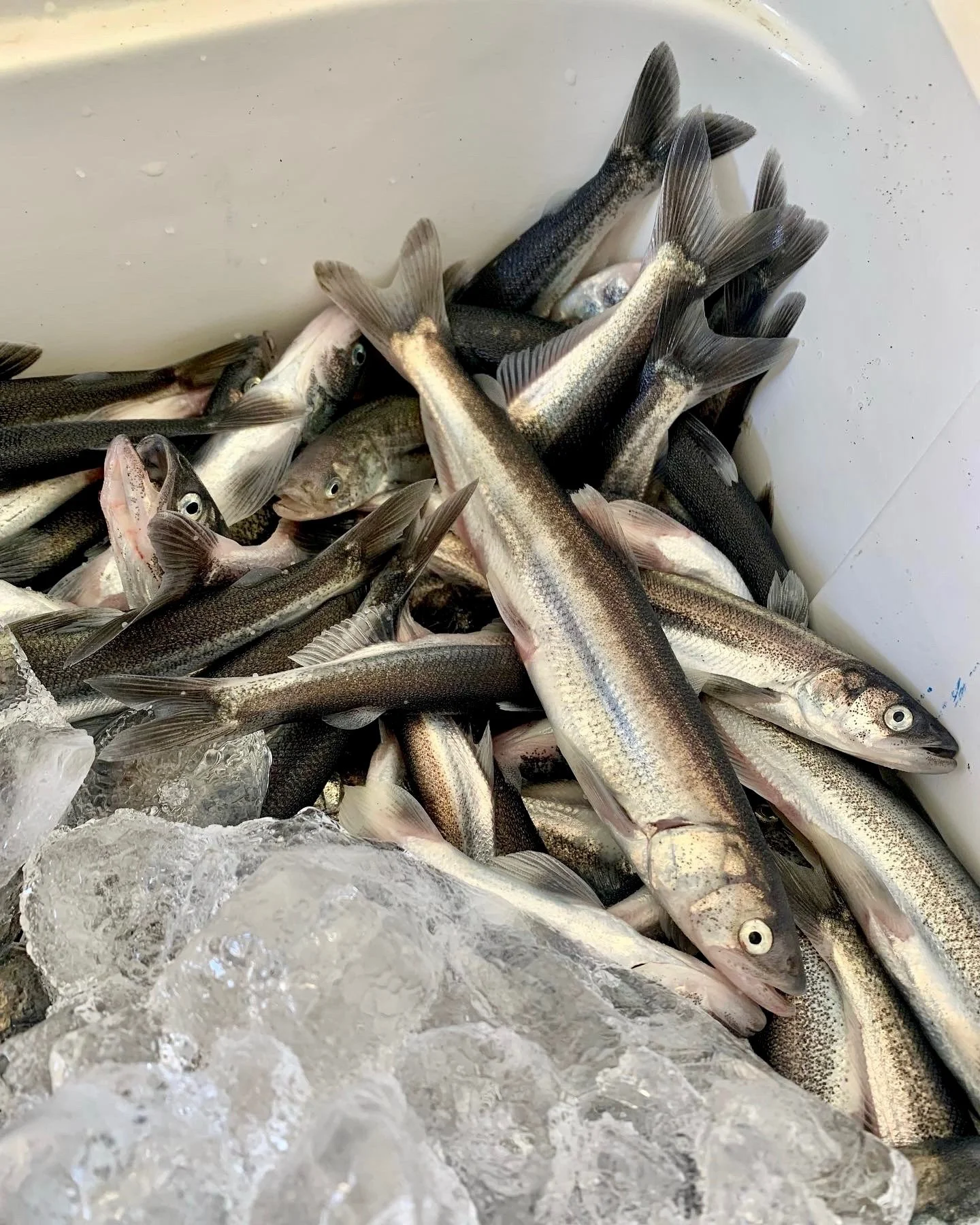
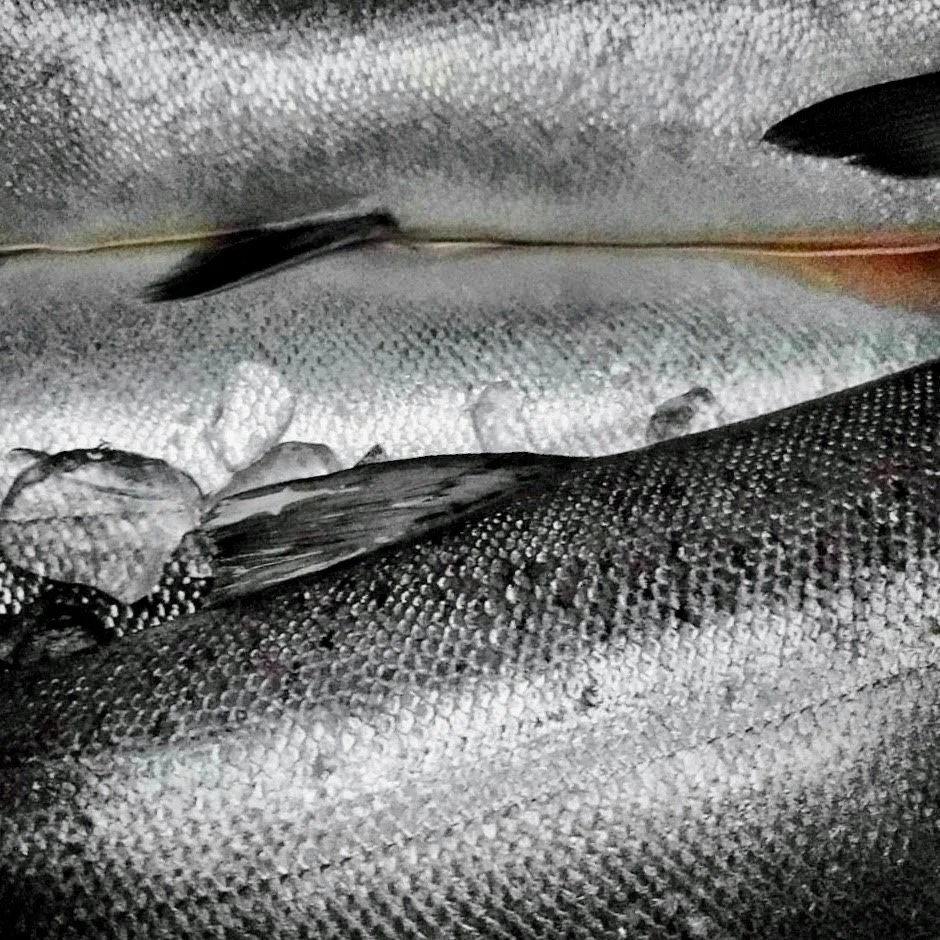
I met Rayven in 2022 through a networking event for BIPOC farmers and producers in the Portland area. Many of us were meeting in hopes of developing collective solutions to our shared struggles relating to sales and distribution of our products. We all were finding that we weren’t satisfied with our existing options for distribution and as busy producers we didn’t have the capacity or resources to develop our own custom distribution systems.
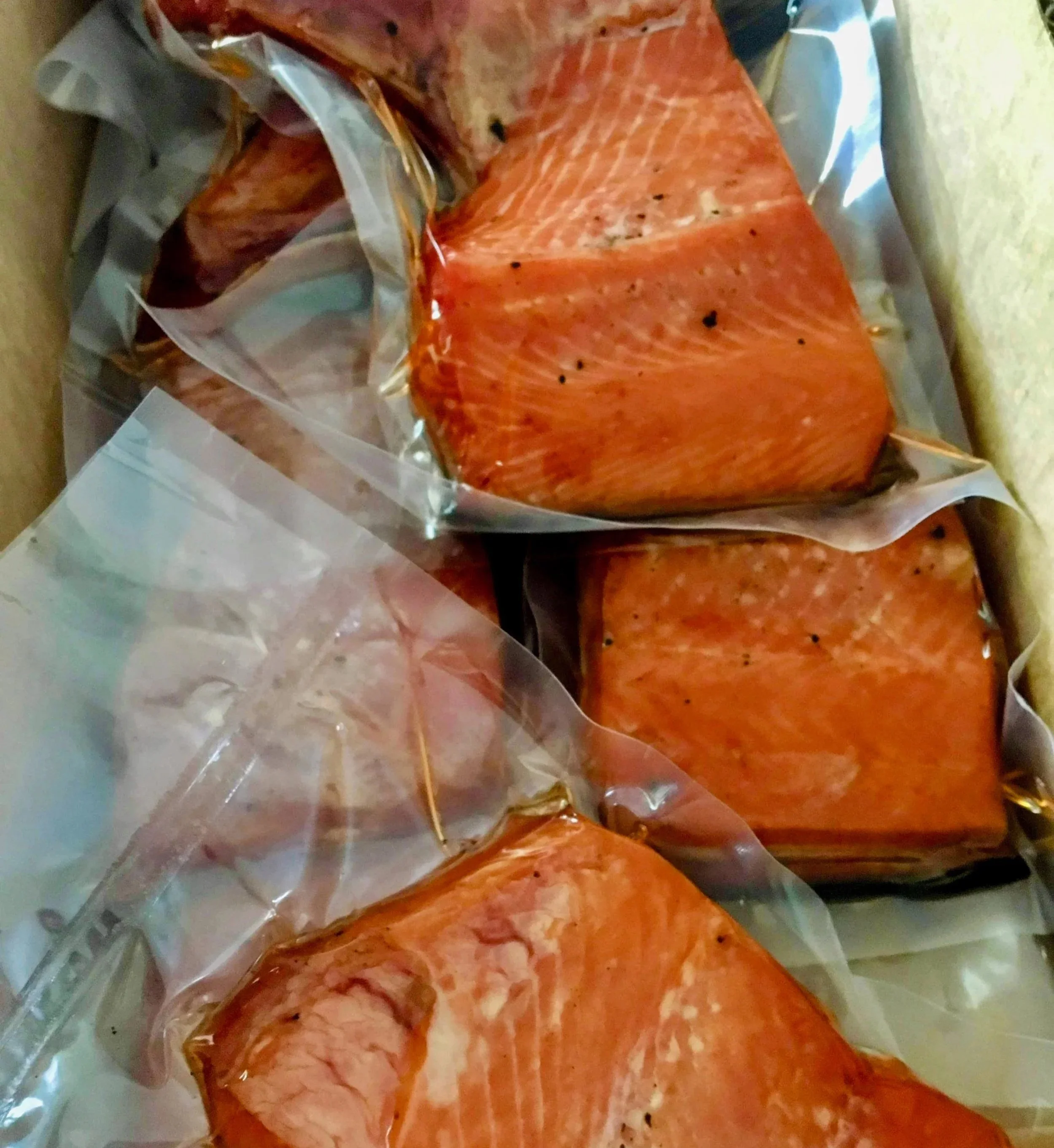
Although we didn’t find immediate solutions to these distribution problems, Rayven and I got to know each other better and built some trust. When Hooligan Harvest was approved for a grant in 2023 to distribute salmon directly to communities in need, she thought of me as someone who could help with distribution. The grant paid Rayven for her role in sourcing, purchasing, and processing 300 lbs of salmon in collaboration with her community, which could then be distributed for free to Portland communities in need. For Rayven, an interesting question arose: who could be relied upon to help distribute free, high-quality frozen and smoked salmon directly to the people? Obviously there would be no shortage of recipients excited about this proposition, but there were concerns about logistics and ethics.
I felt honored to be asked to participate, but I also felt unsure if I was really the best person for the role. I’m a busy farmer, and what do I know about salmon? I also felt burdened by the logistics and the responsibility of choosing (gatekeeping?) who should receive free salmon. It seemed like there must surely be other people better positioned to coordinate distribution. But over time I realized that I was actually someone who could handle this and that there were not any better options to support Rayven’s needs.
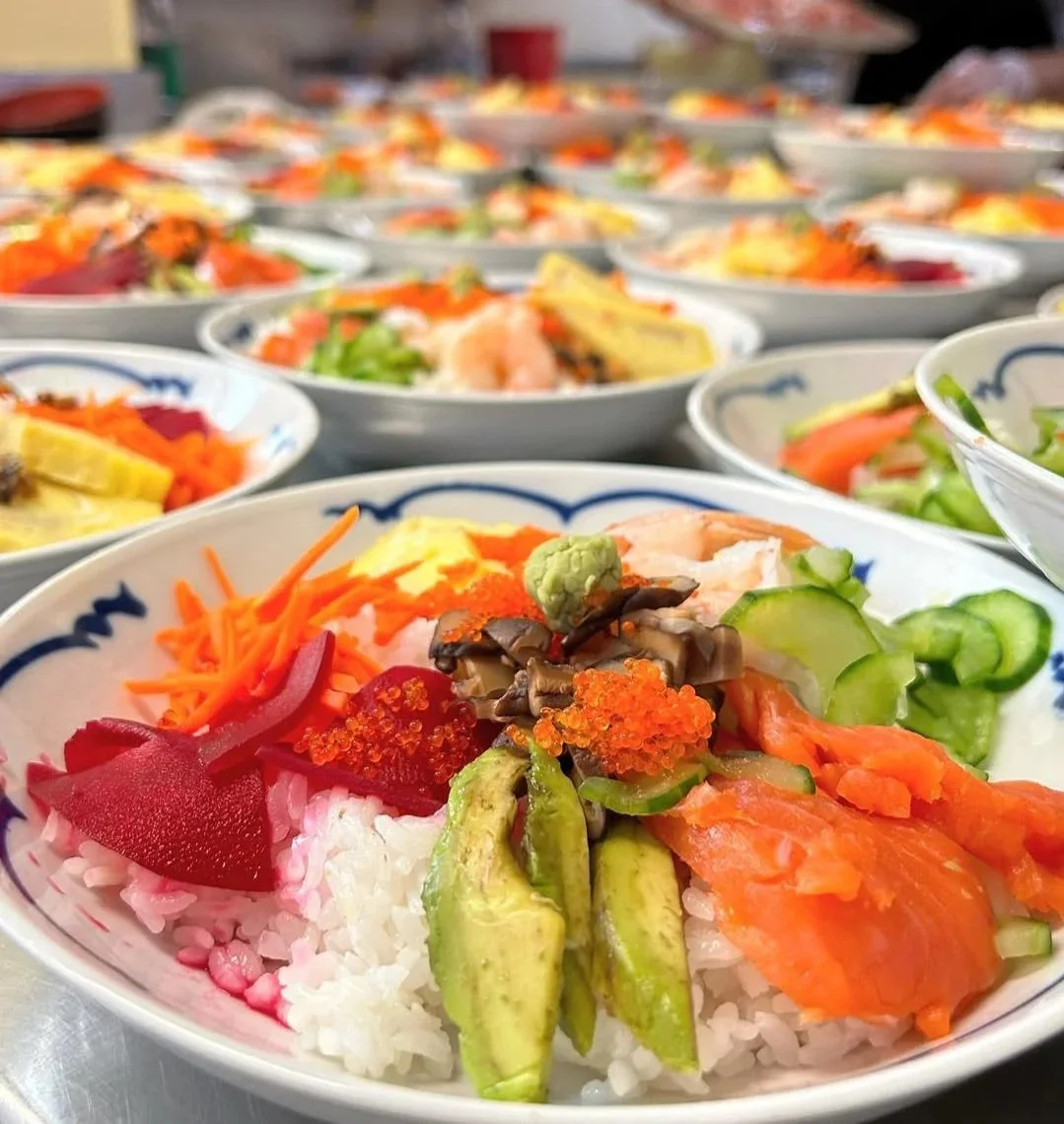
As time went on, I realized my role was to be a liaison to connect Ravyen to our trusted community network. We developed a rhythm, and my community of distributors learned what to expect and how to support my and Rayven’s needs. I would receive frozen raw or smoked salmon from Rayven, immediately deliver it to my distributors, and they would keep it cold and safe before redistributing to their networks. Some of the main recipients of salmon over the three years of the grant program were Ikoi No Kai, the Filipino Bayanihan Center, and Milk Crate Kitchen. All three of the organizations demonstrated incredible respect and support in dealing with me, Rayven, and the salmon.
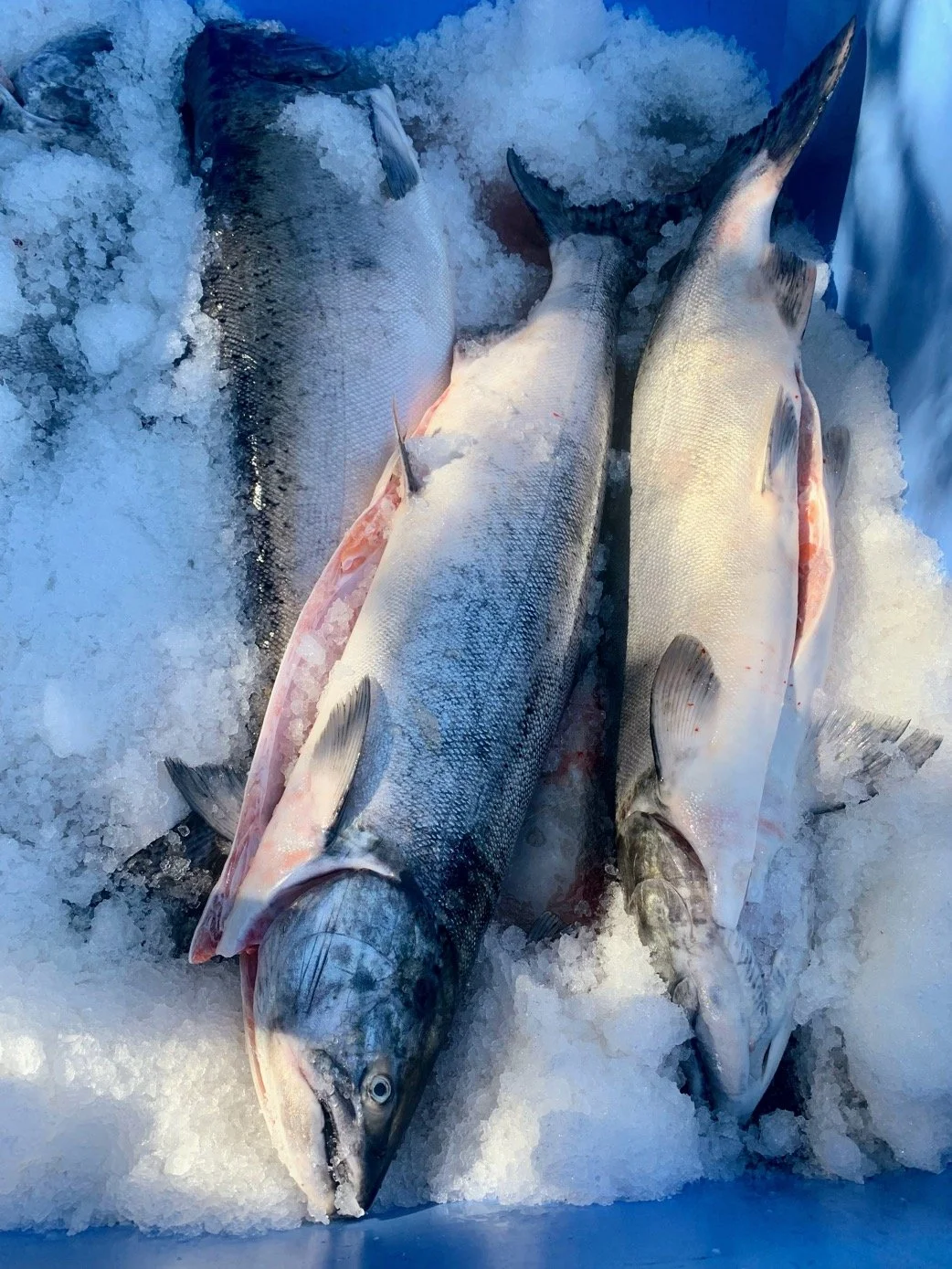
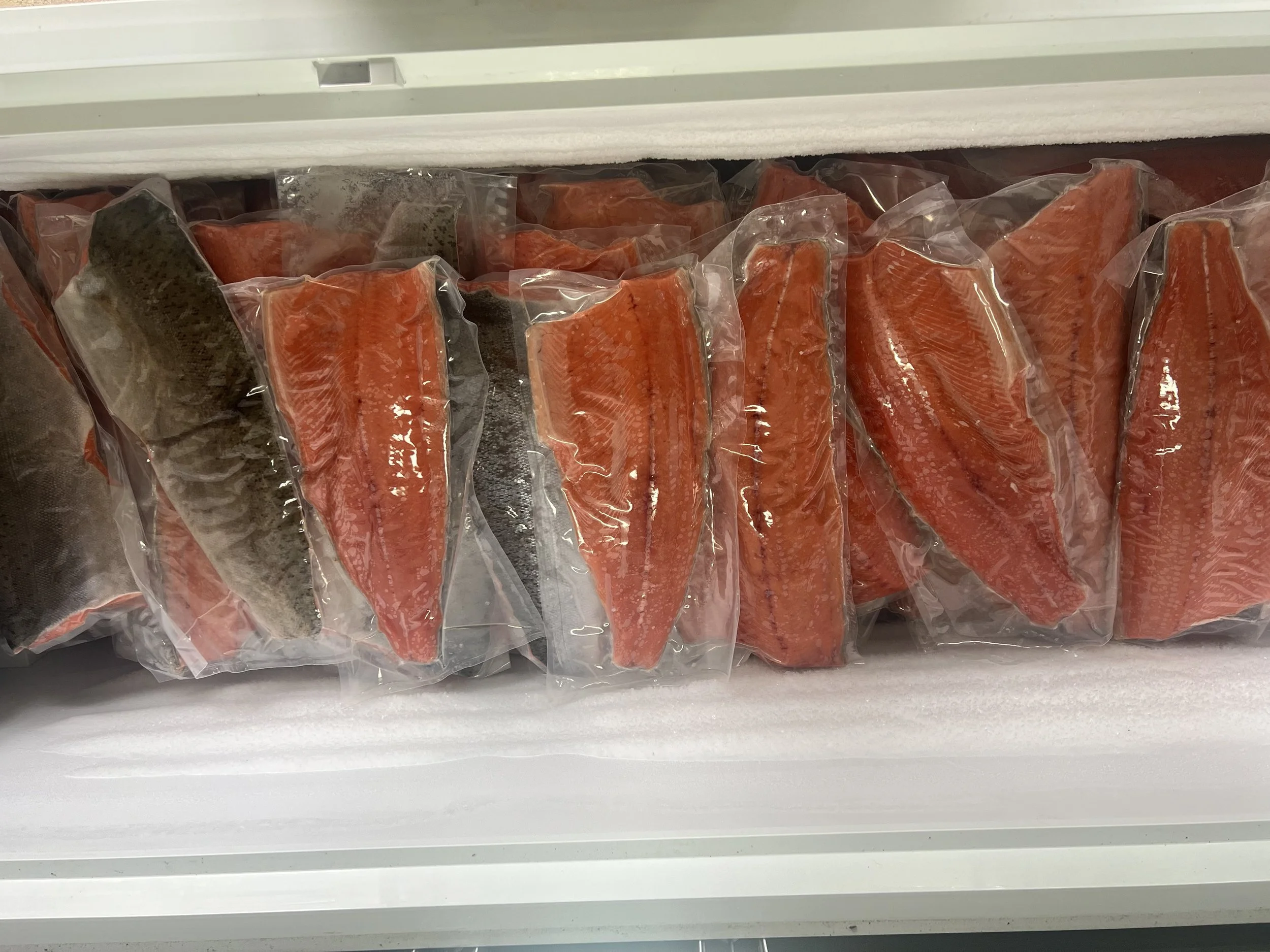
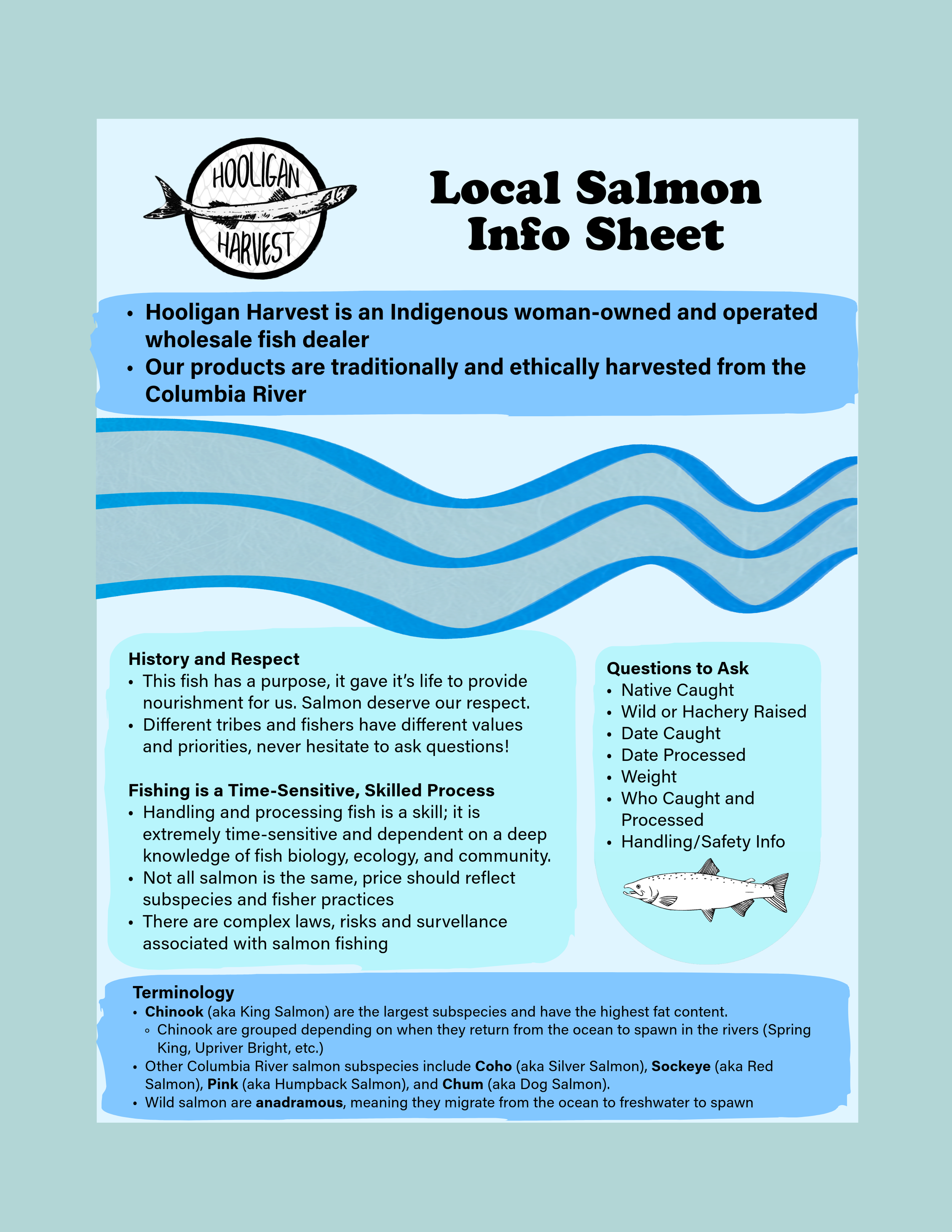
An informational pamphlet Rayven and I created in 2024
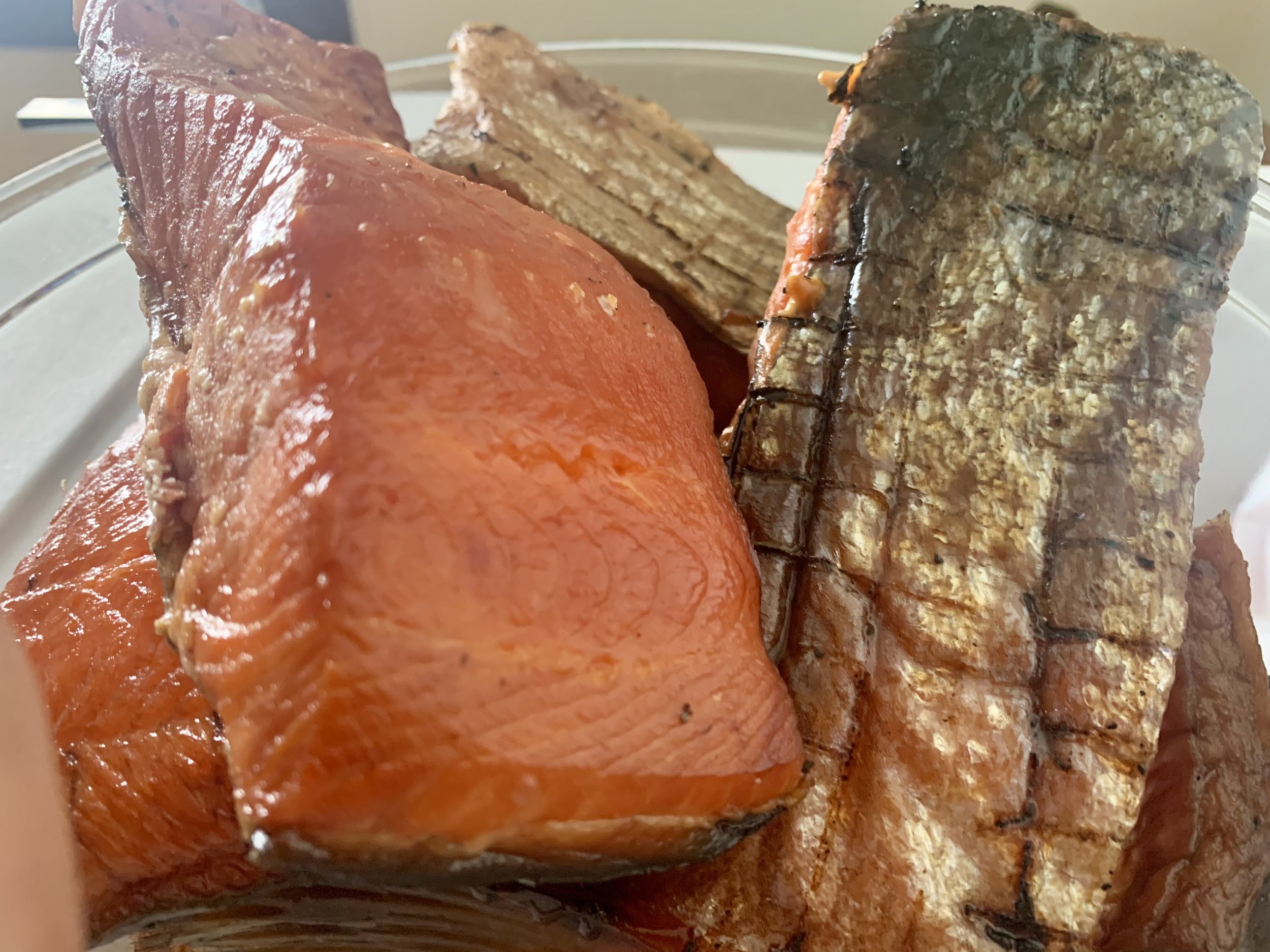
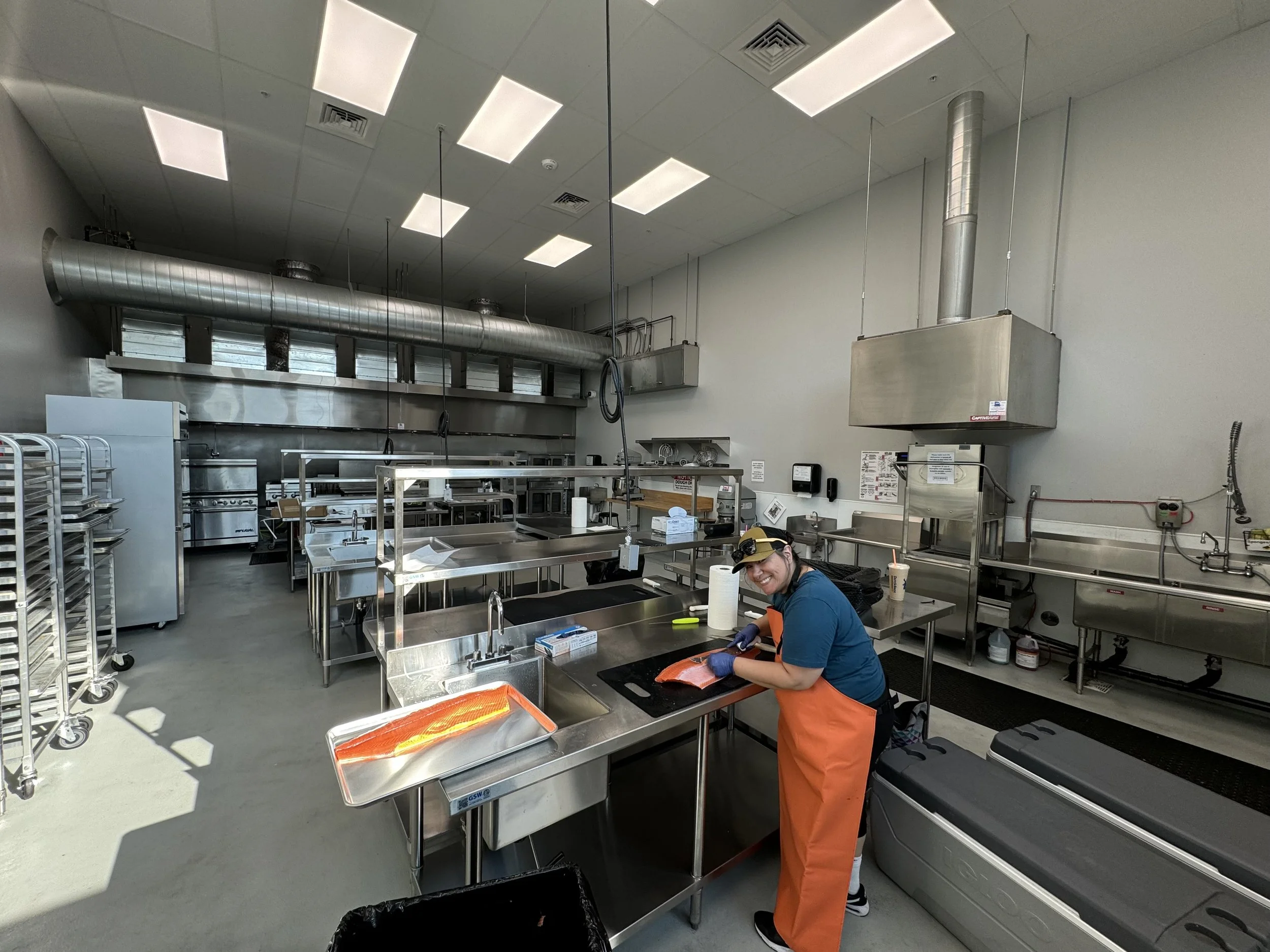
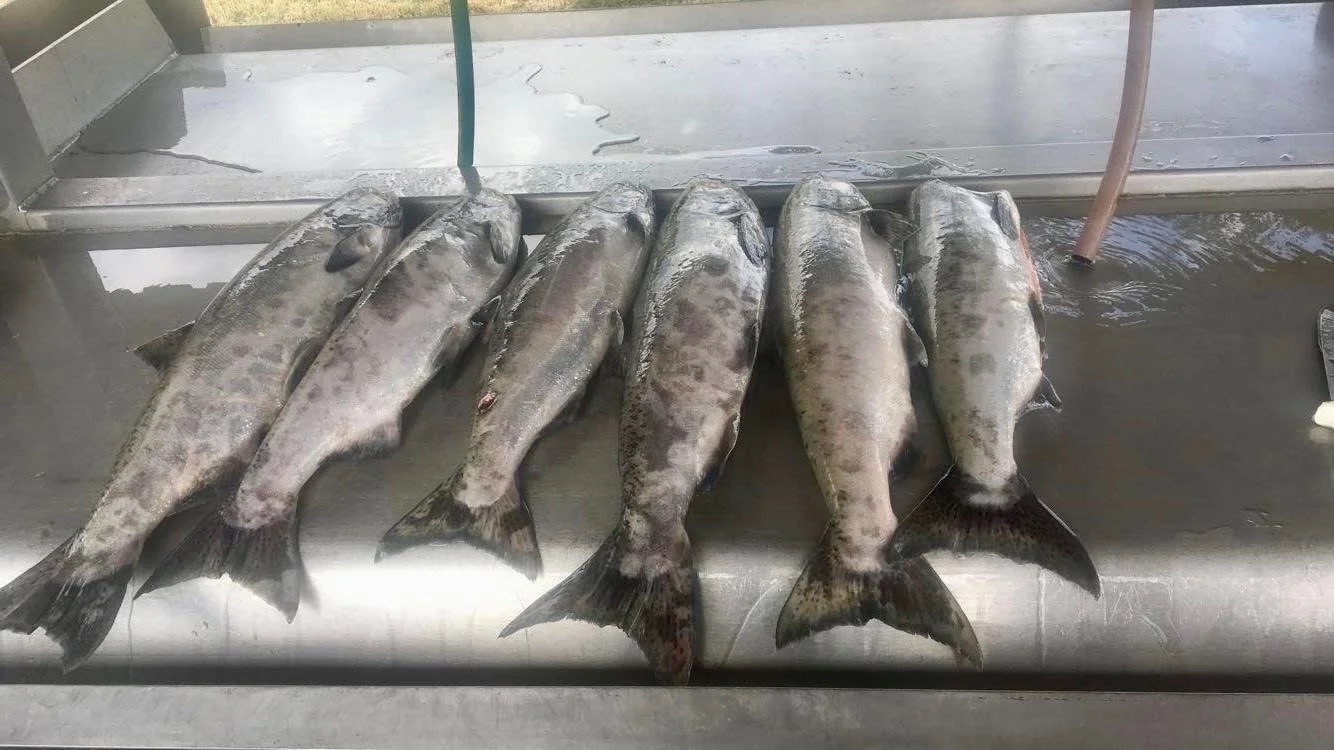
Rayven Settler is the owner and operator of Hooligan Harvest, an Indigenous women-owned & operated wholesale fish dealer with products harvested traditionally and ethically from the Columbia River. She is also a mother and a tribal court advocate and outreach specialist. She is a citizen of the Yakama Nation and grew up in a fishing family along the Columbia River.
In this interview, Rayven discusses her efforts to start a local fish distribution business and the challenges in navigating infrastructure, logistics, sales, pricing, trust, and ethics. We talked about learning from her grandmother, her concerns about the health of the salmon and the Columbia River, and her desire to develop distribution networks that align with her values. She also shares some tips for salmon buying and gives some advice for younger folks.
Japhety Ngabireyimana - Happiness Family Farm
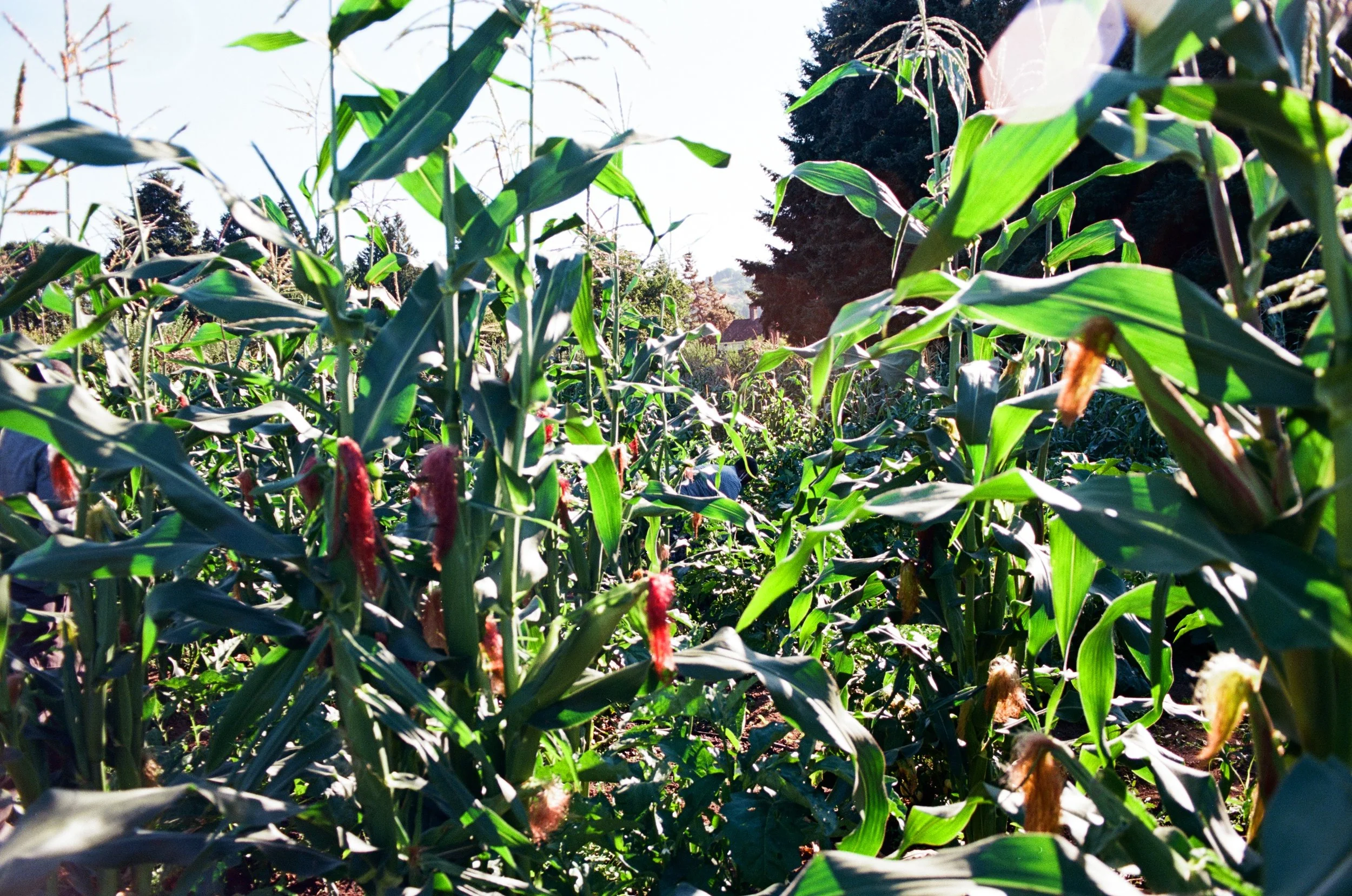
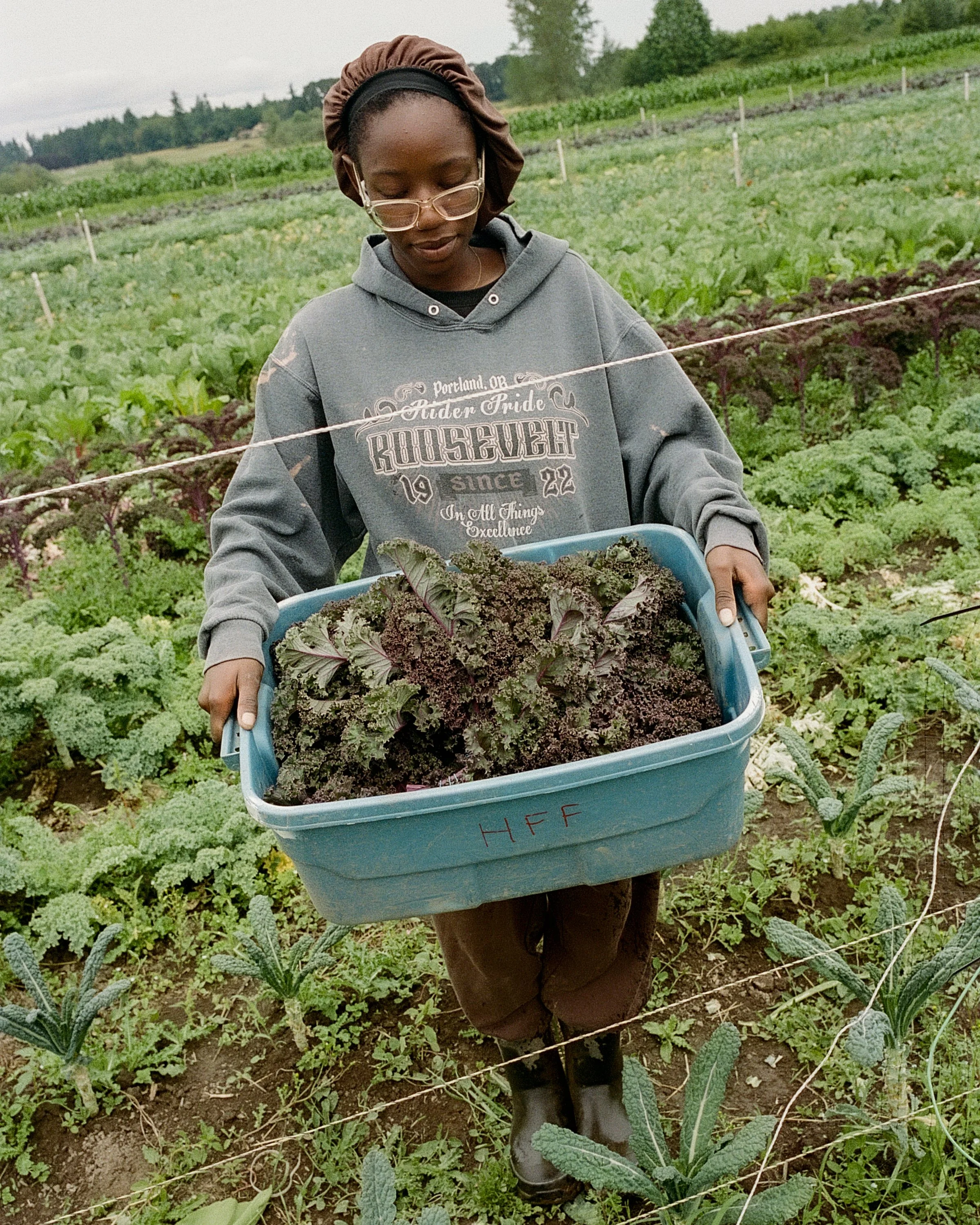
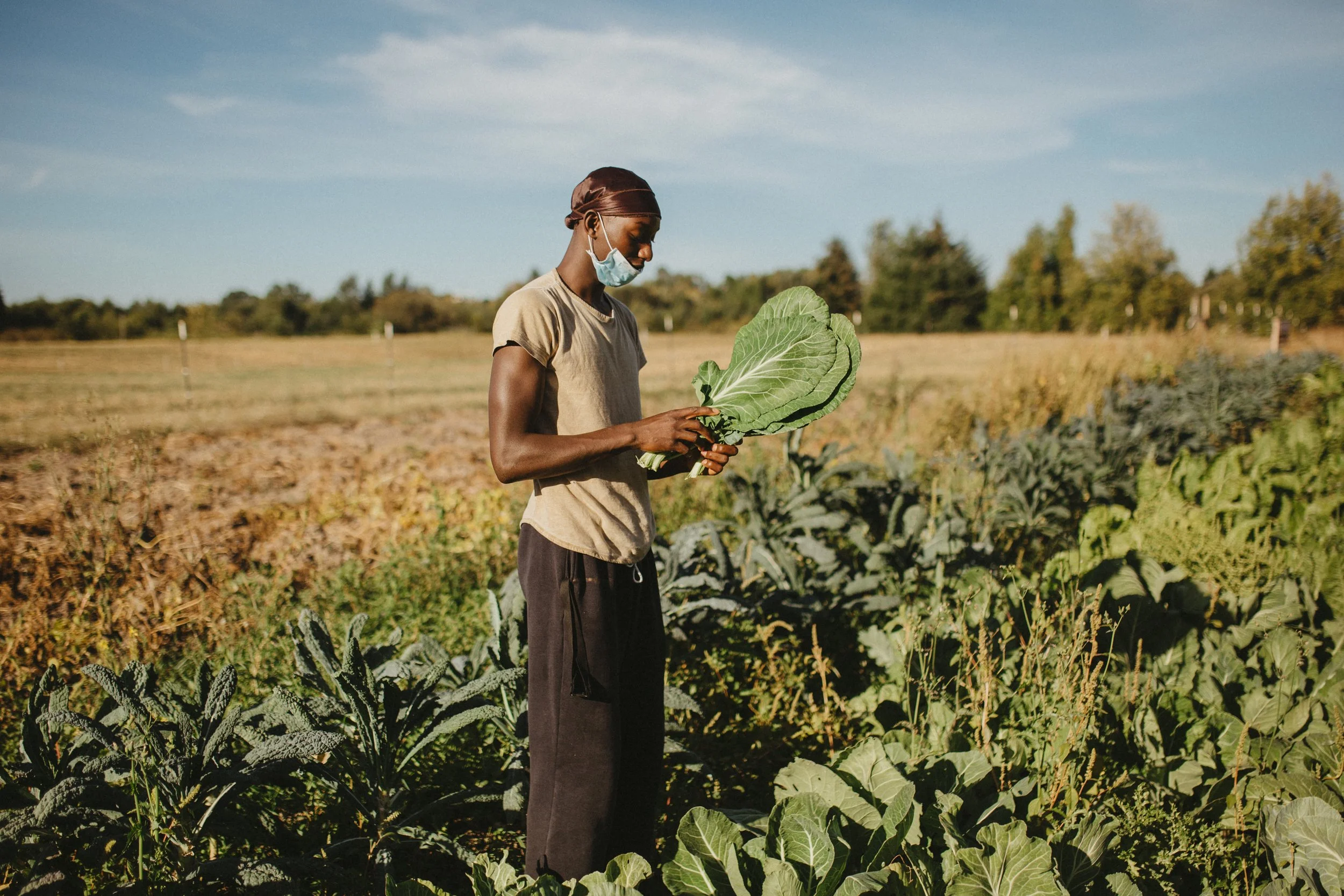
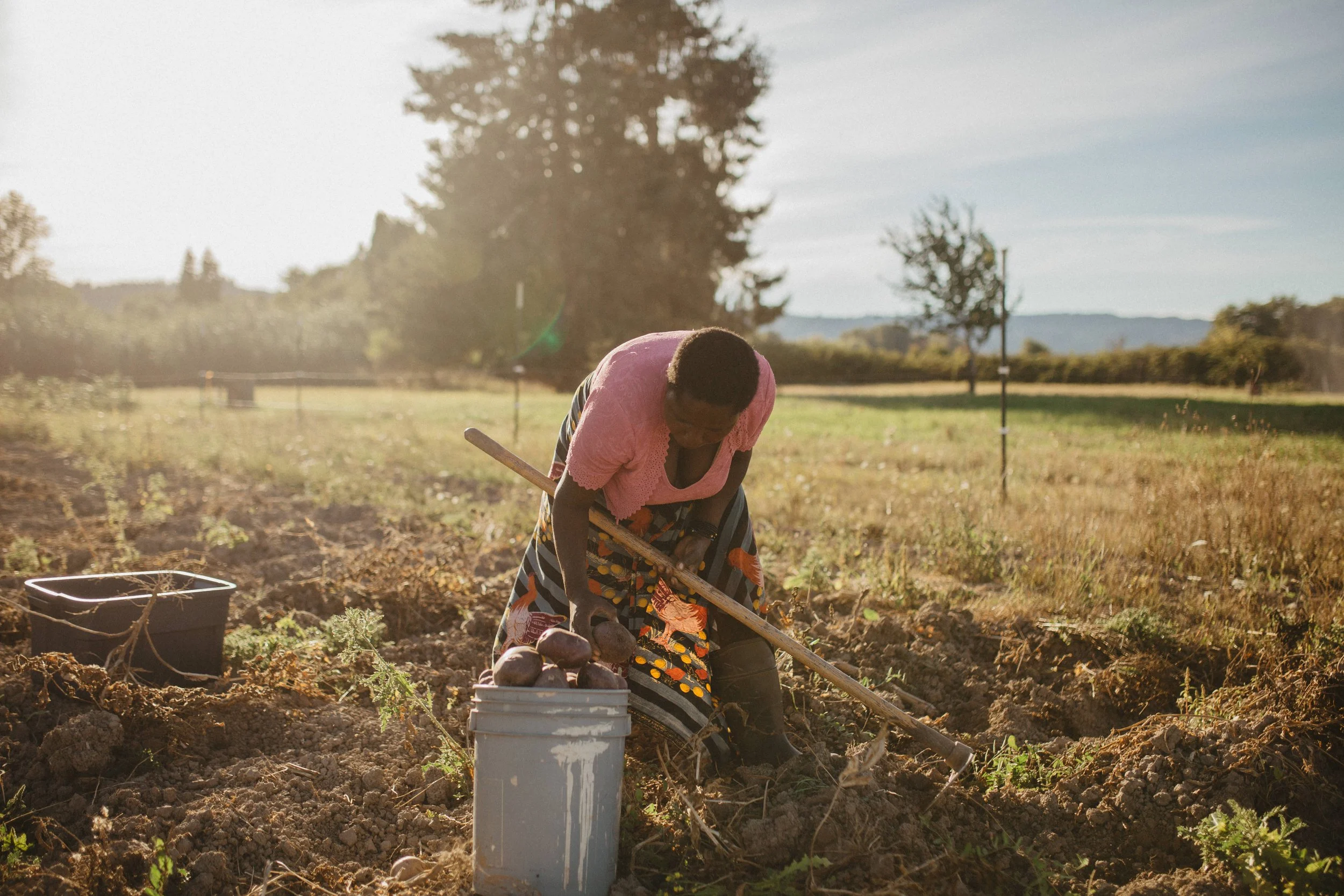
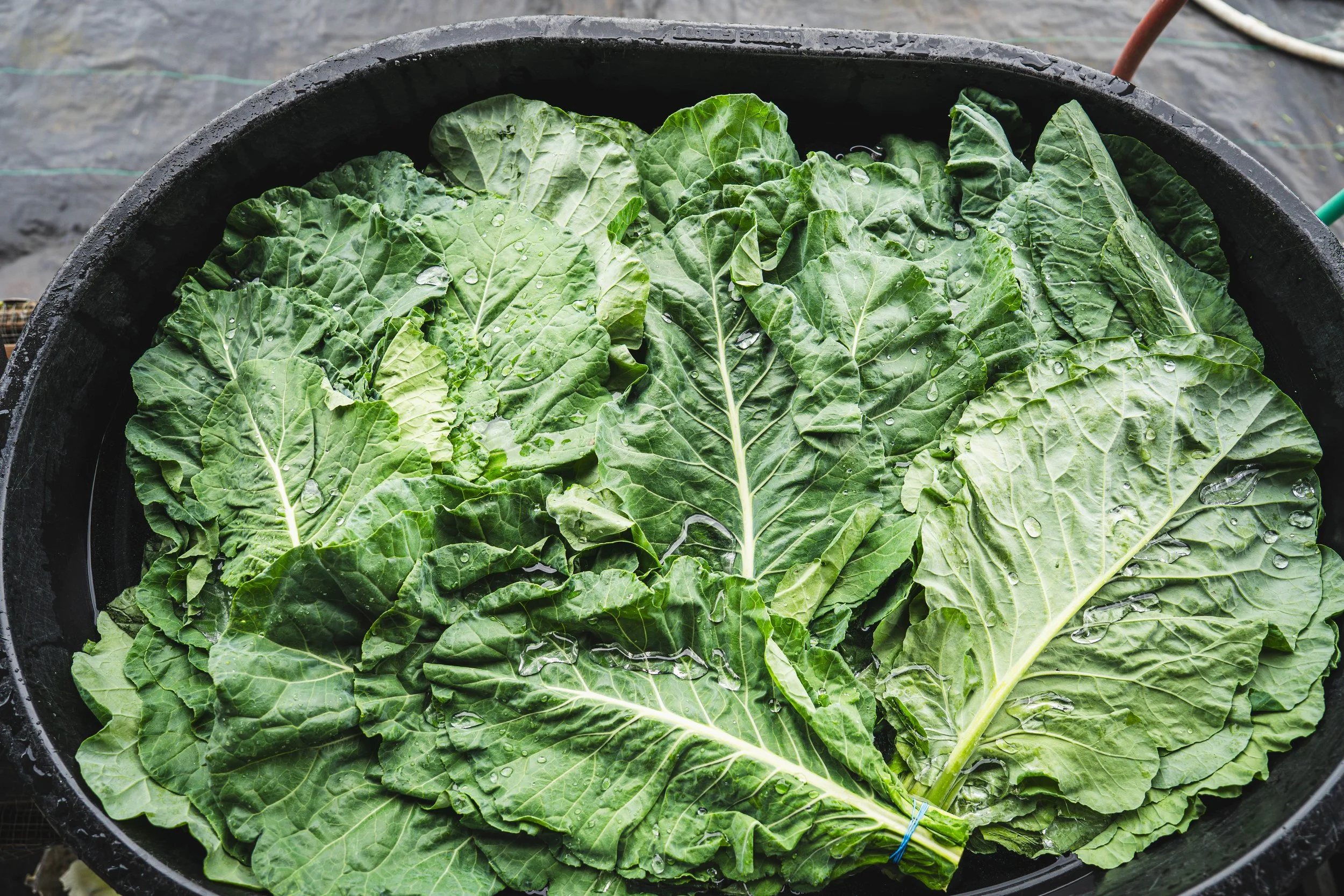
Happiness Family Farm was founded in 2016, the same year as my farm. It’s been inspiring to witness their parallel evolution over the years. Running a farm business is an incredibly challenging project for anyone and I’m continually impressed by the resilience of Happiness Family Farm’s sustained success.
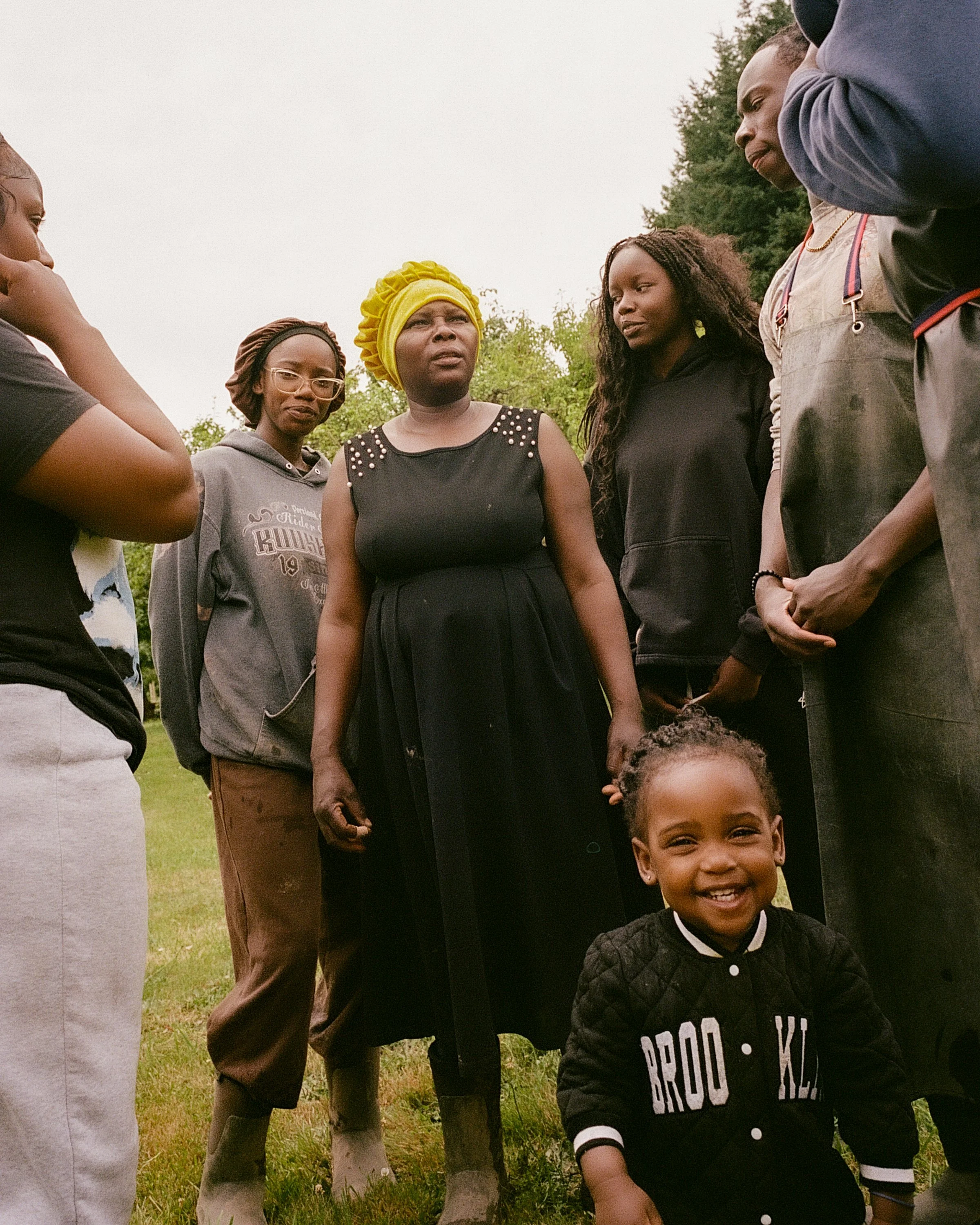
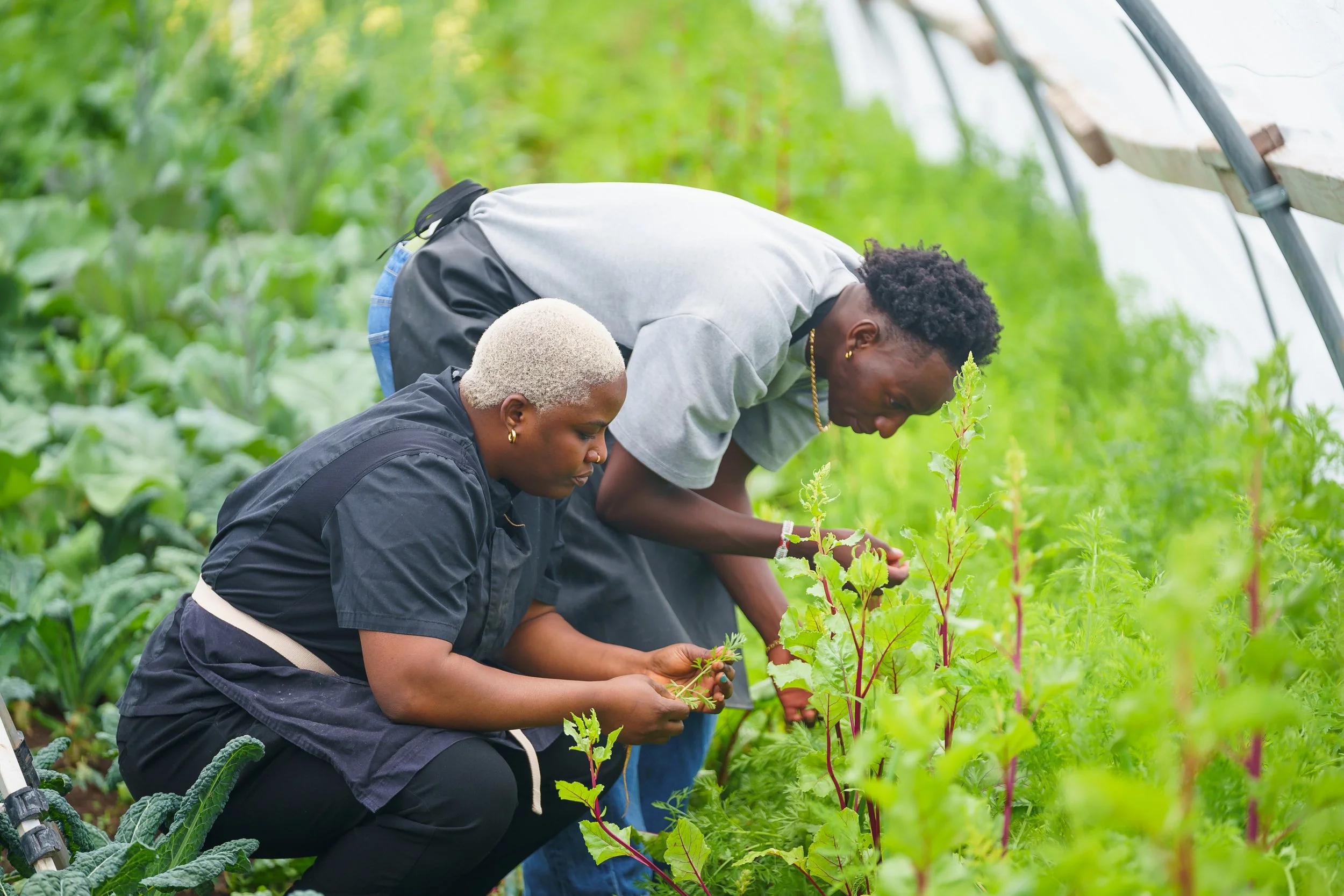
I appreciate the work ethic and cultural story that elders Prosper and Rosata lead with, and the added vitality and new ideas that the younger generation bring to the operation. Japhety is the entrepreneur of the family; in addition to farming he coordinates marketing, administration, finances, and communications. He also coordinates farm-to-table events, recipe development, and cooking videos.
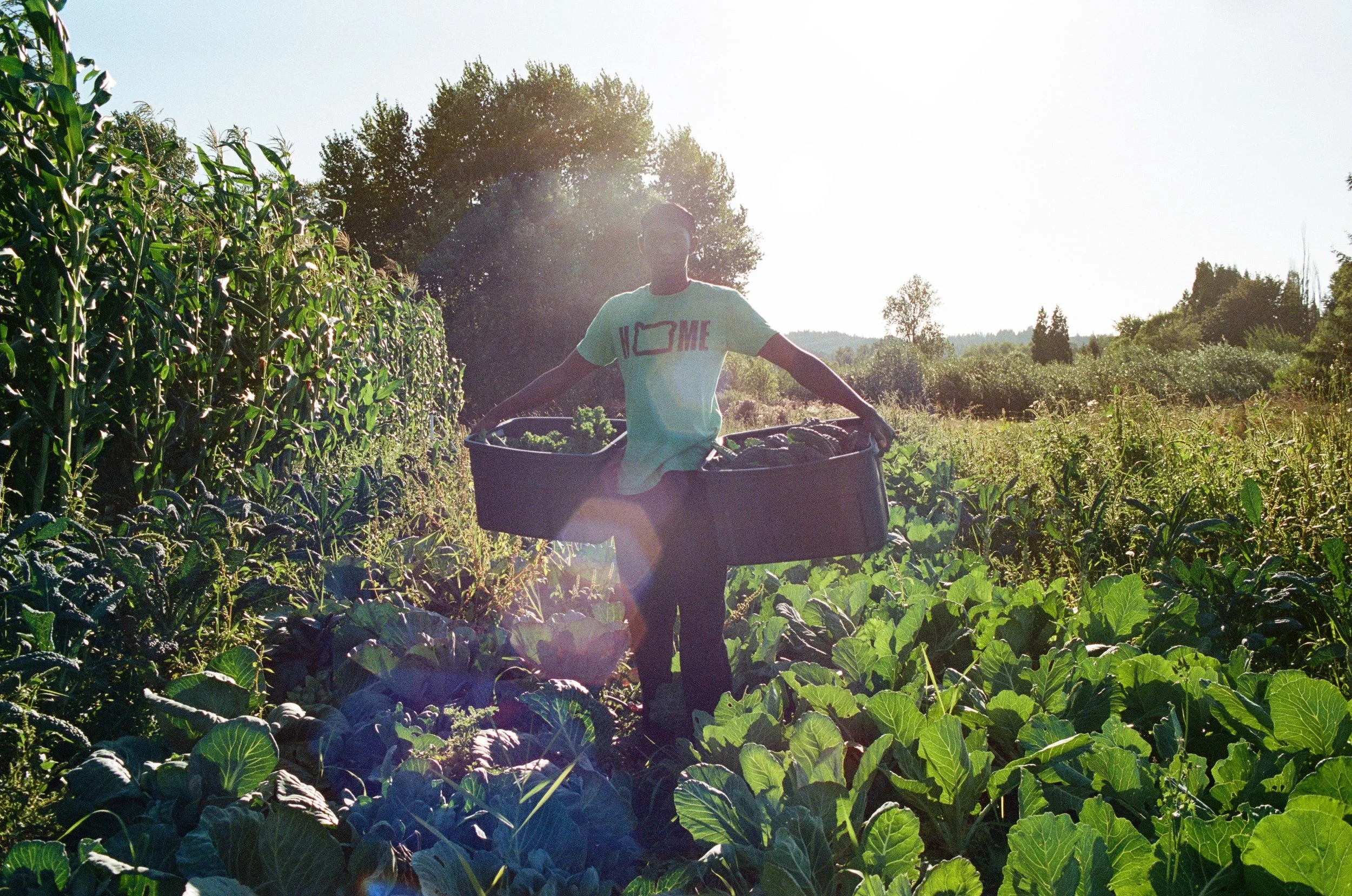
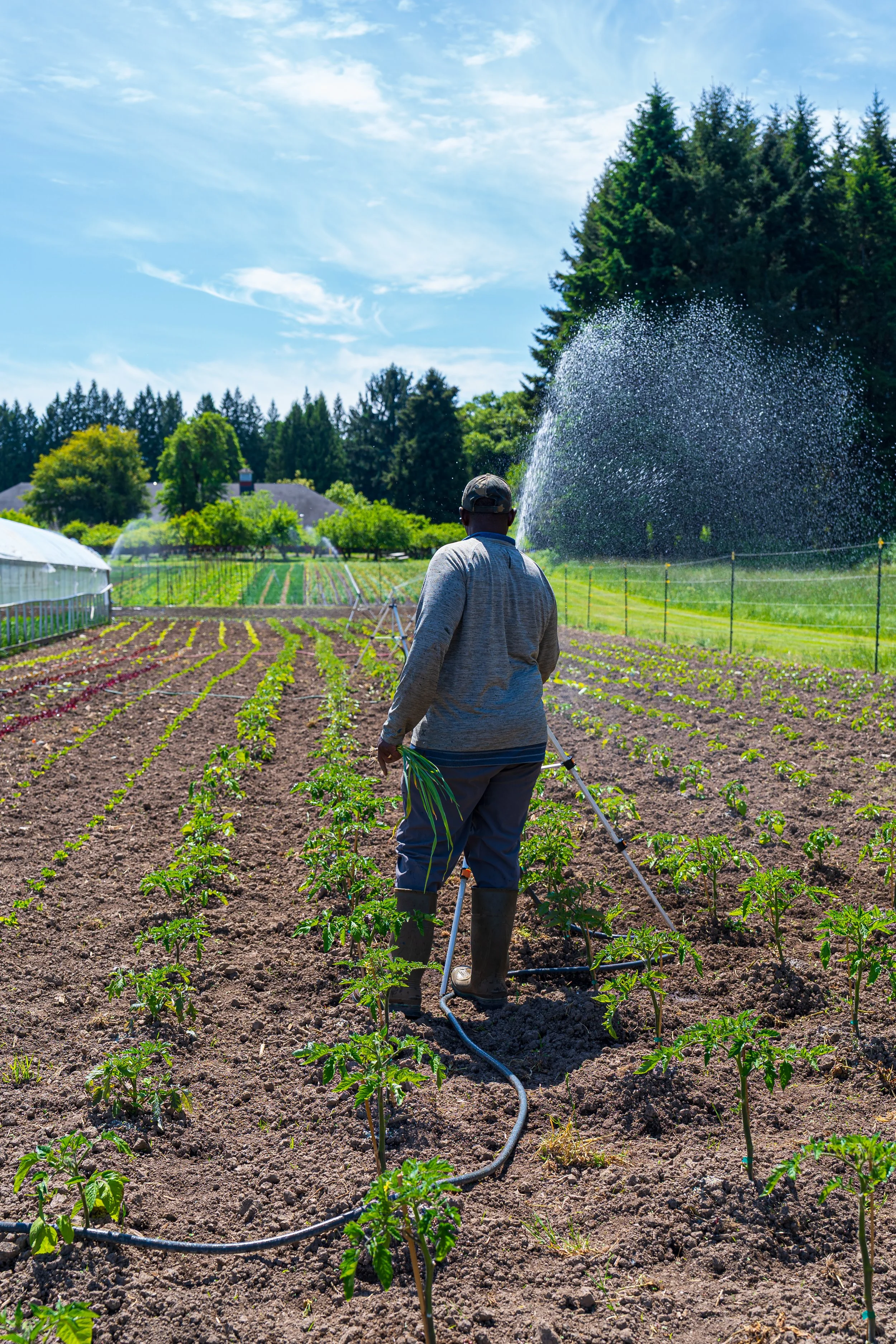
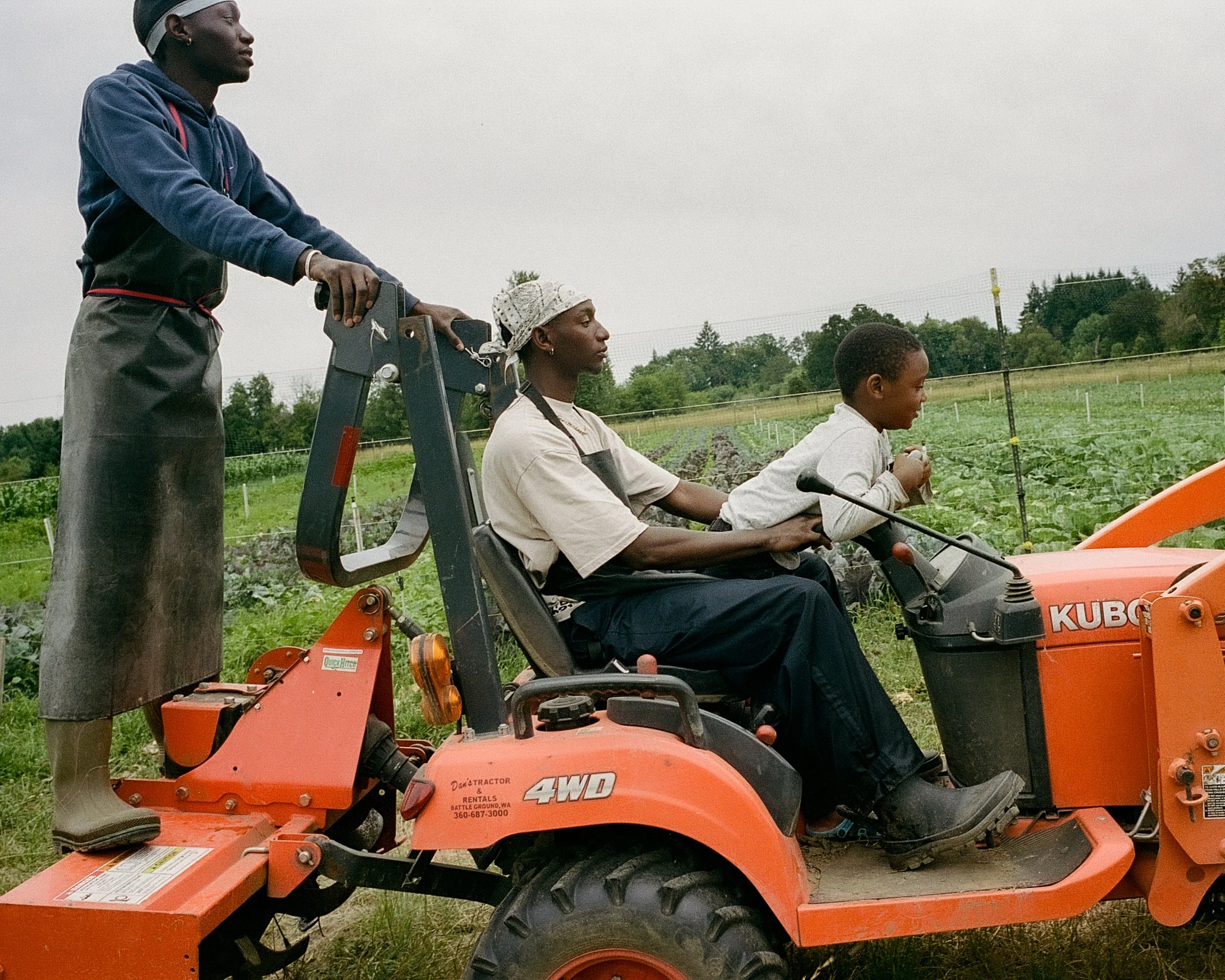
I interviewed Japhety in the summer of 2025 at his office on the Portland State University campus. We discussed his family’s displacement from Burundi by the war, their time at a refugee camp in Tanzania, receiving asylum in the US, and the development of Happiness Family Farm in Portland.
Jeannine Shinoda - Ikoi No Kai
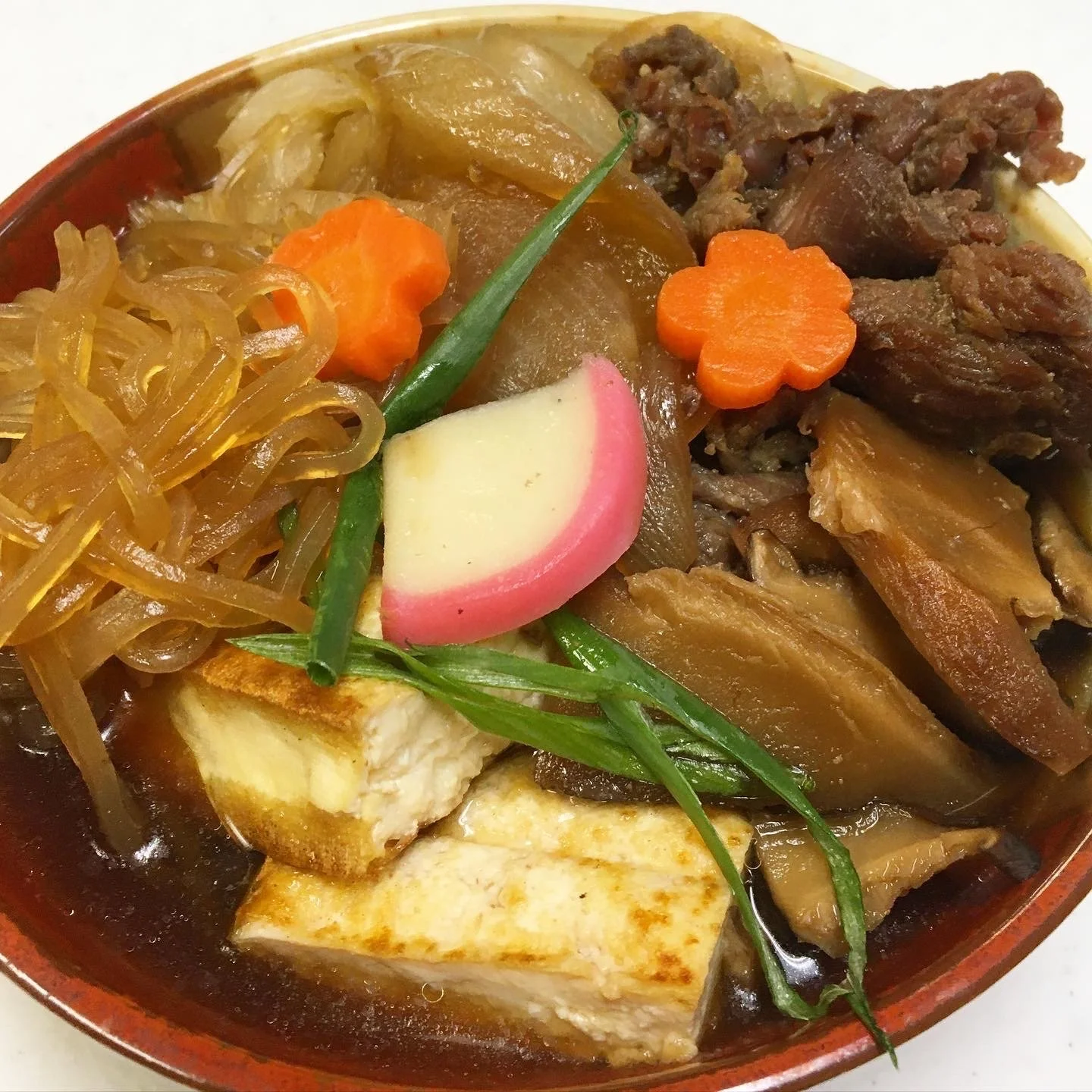
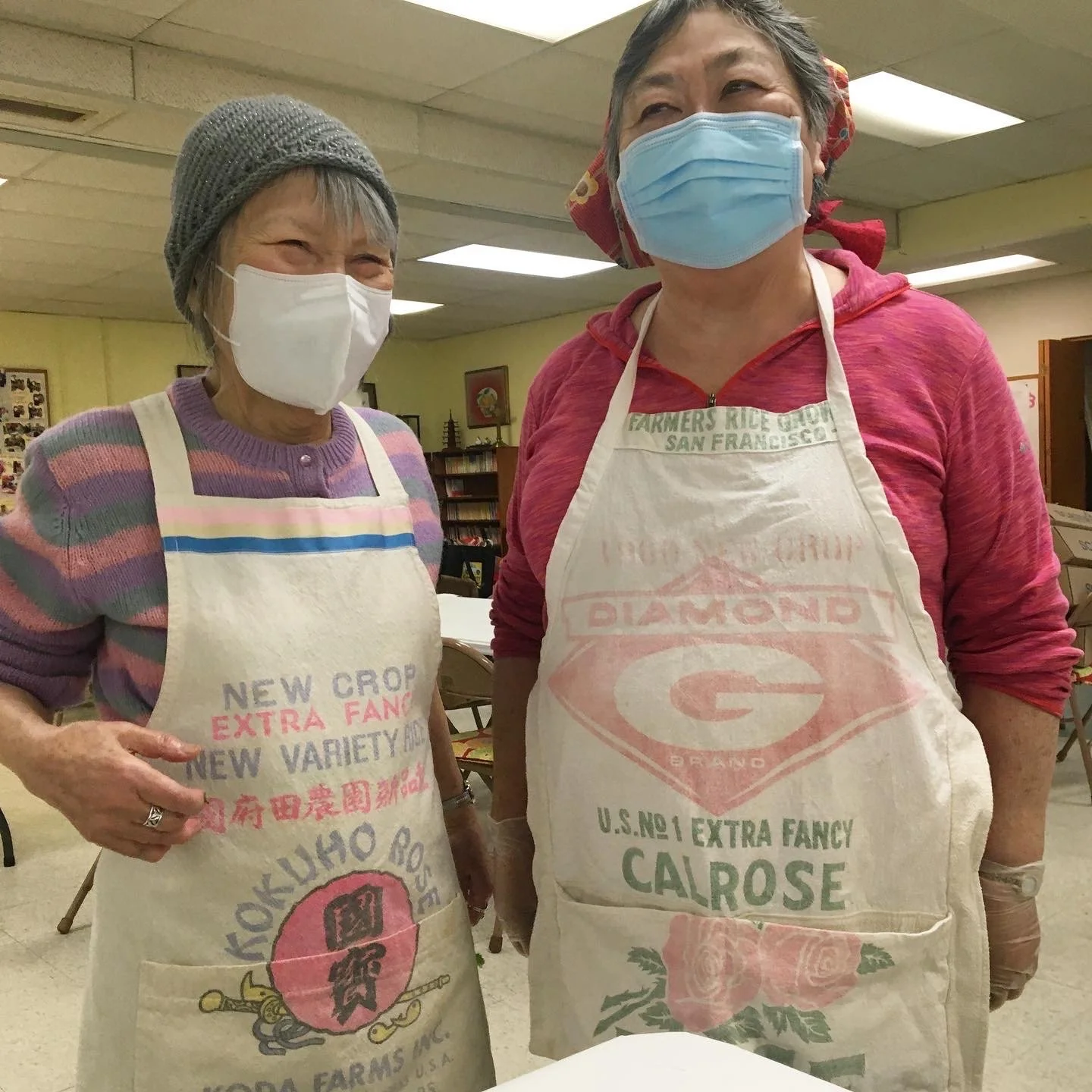
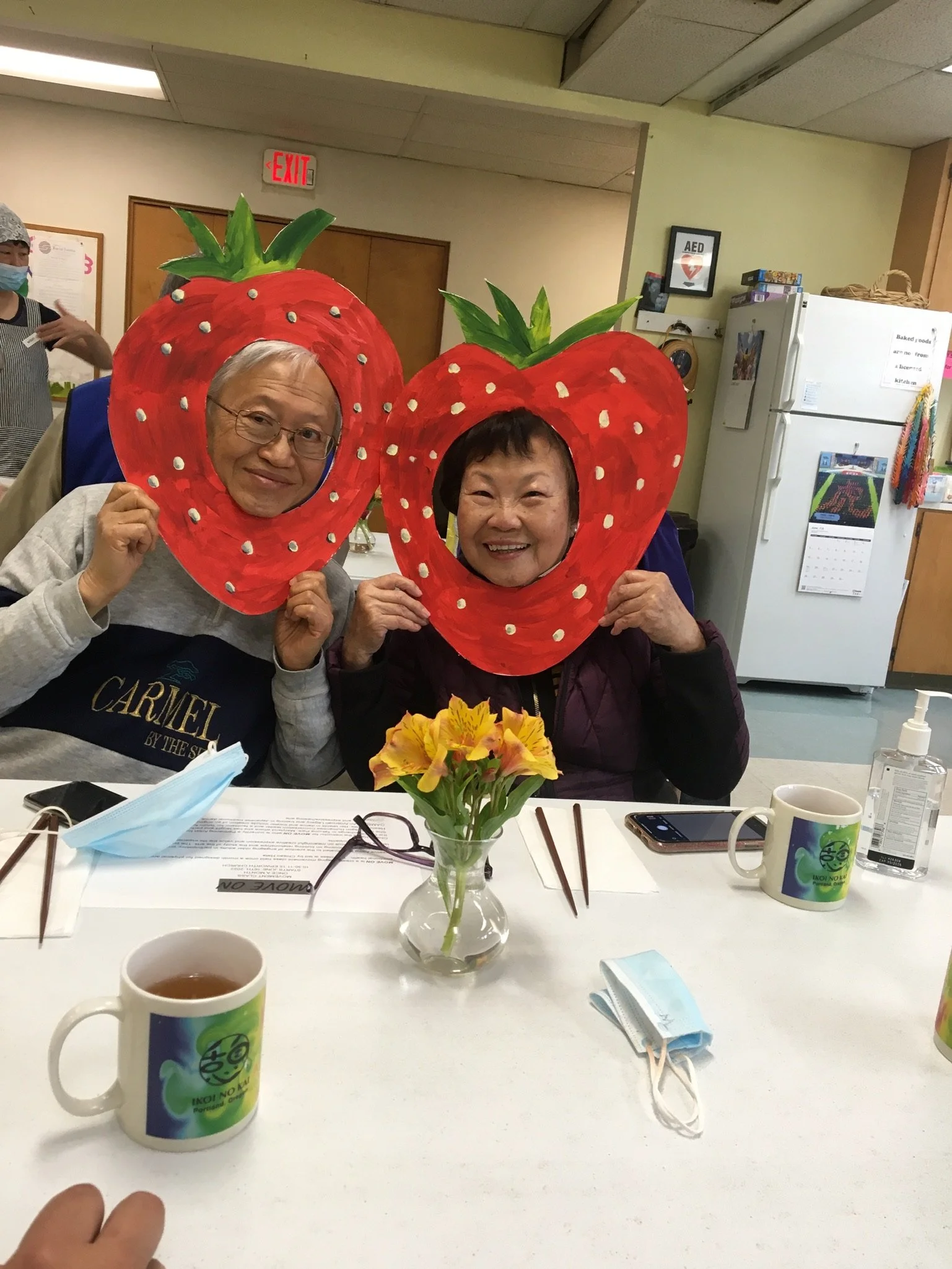
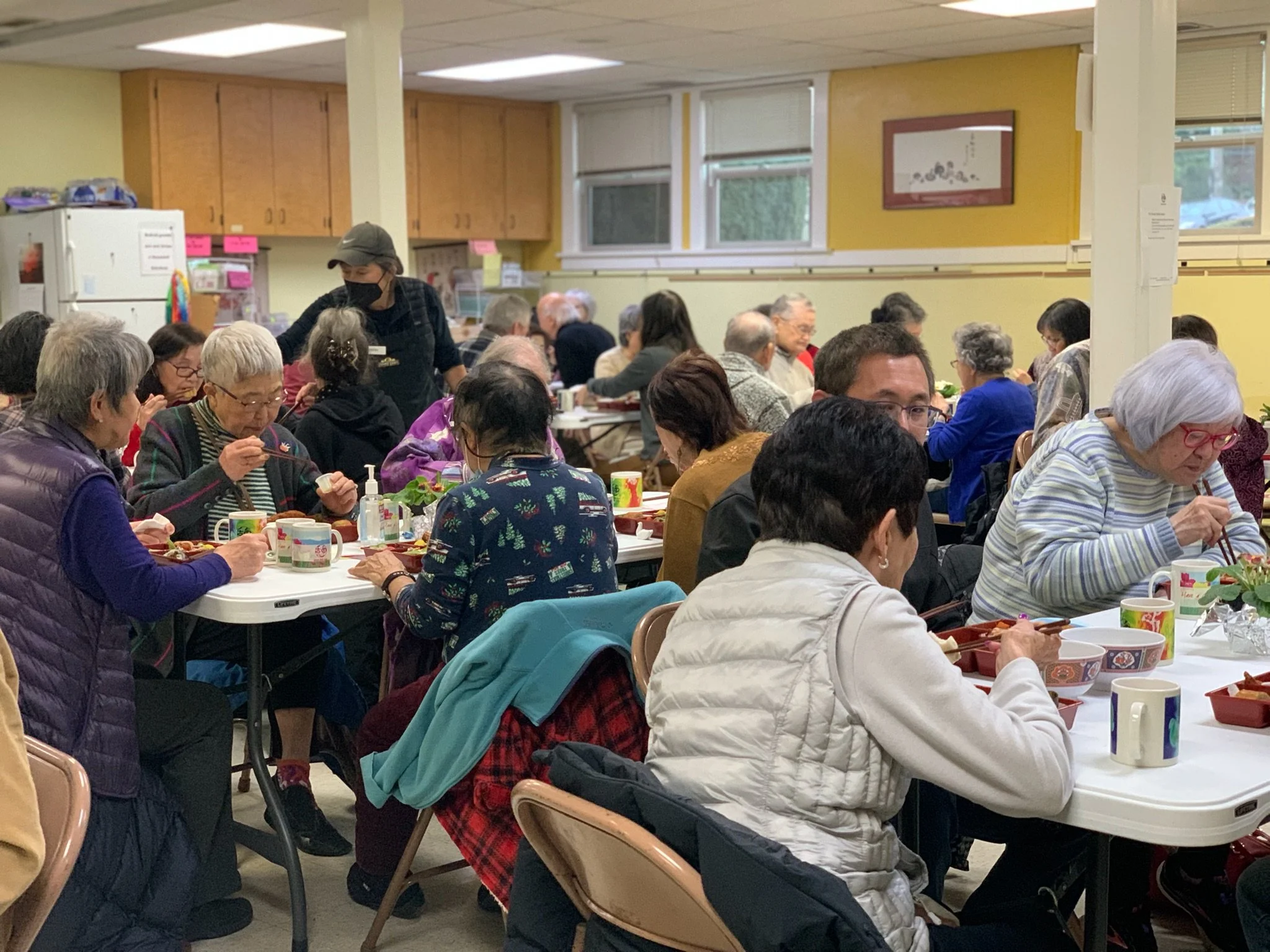
I have some hard days when the world feels particularly heavy. For me it happens when I notice the dysfunctionality of our systems and institutions. Some days it feels like I’m surrounded by good people who aren’t able to exert their goodness in a rotten system. Farm spaces can feel that way to me because of the ways they are still dominated by a system obsessed with control and profit. I see a pattern where farmers are forced to compromise on their goals, visions, and values because they are incompatible with the demands of the systems in place.
What makes me feel better is looking to my friends and colleagues who are political, social, and community organizers. They are unsatisfied with following the easier routes because they understand those routes aren’t serving us. They are doing the vital work of re-imagining and creating the systems of the future. Carrying forward a culture of care, love, listening, accountability, grit, and grace. These people are like a breath of fresh air, clearing out the stagnancy of settler-colonial projects trying to reinvent themselves.
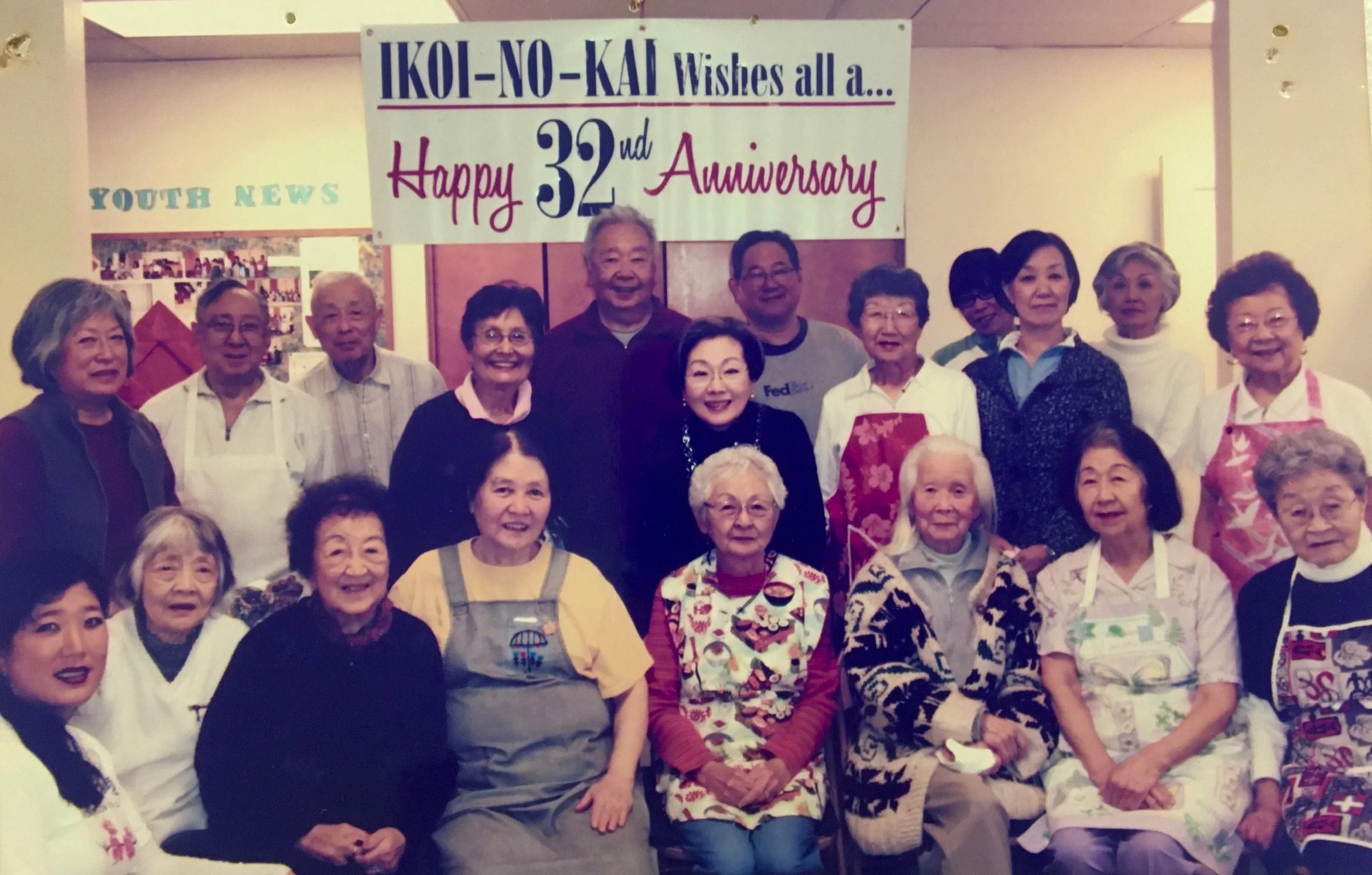
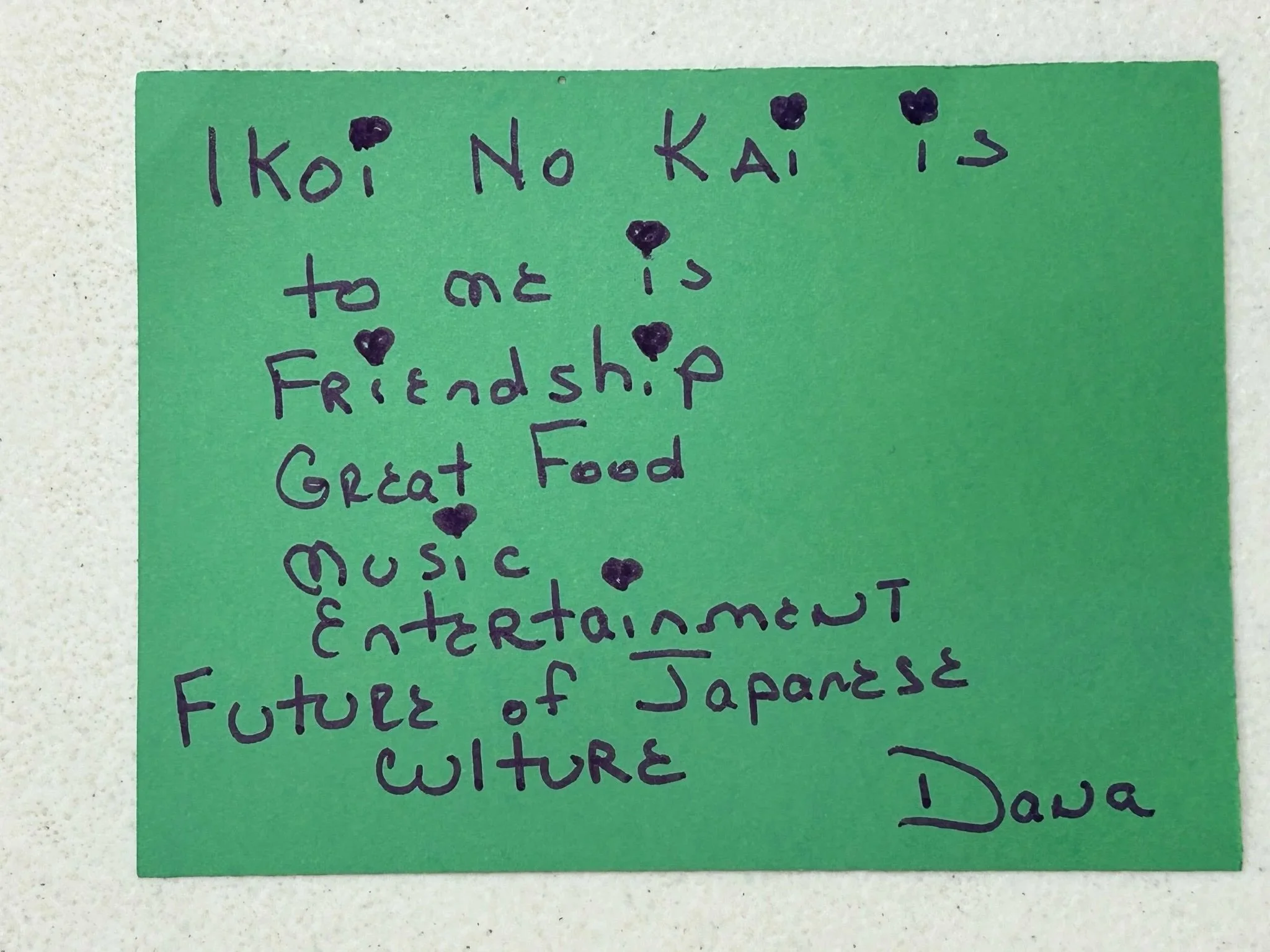
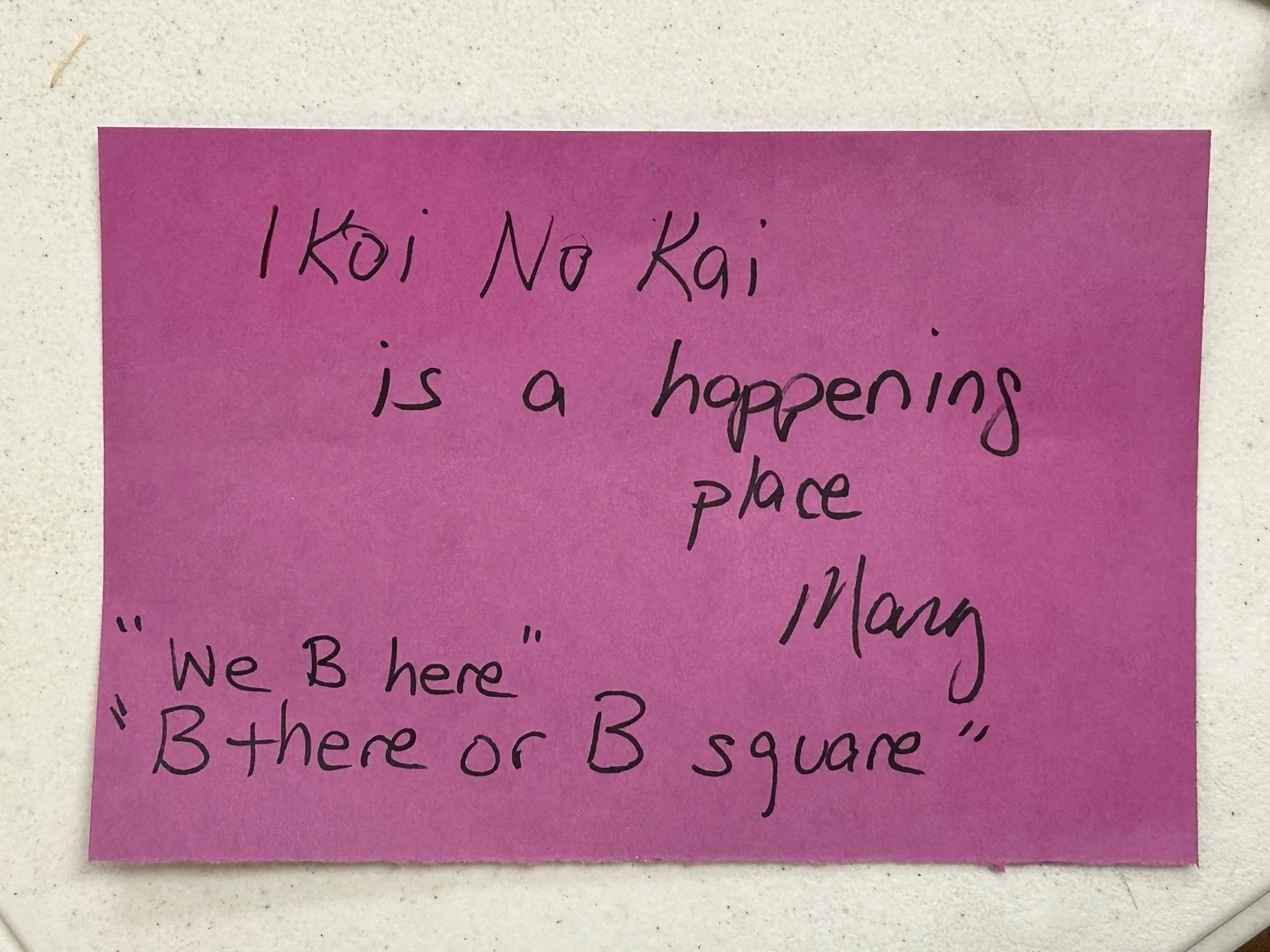
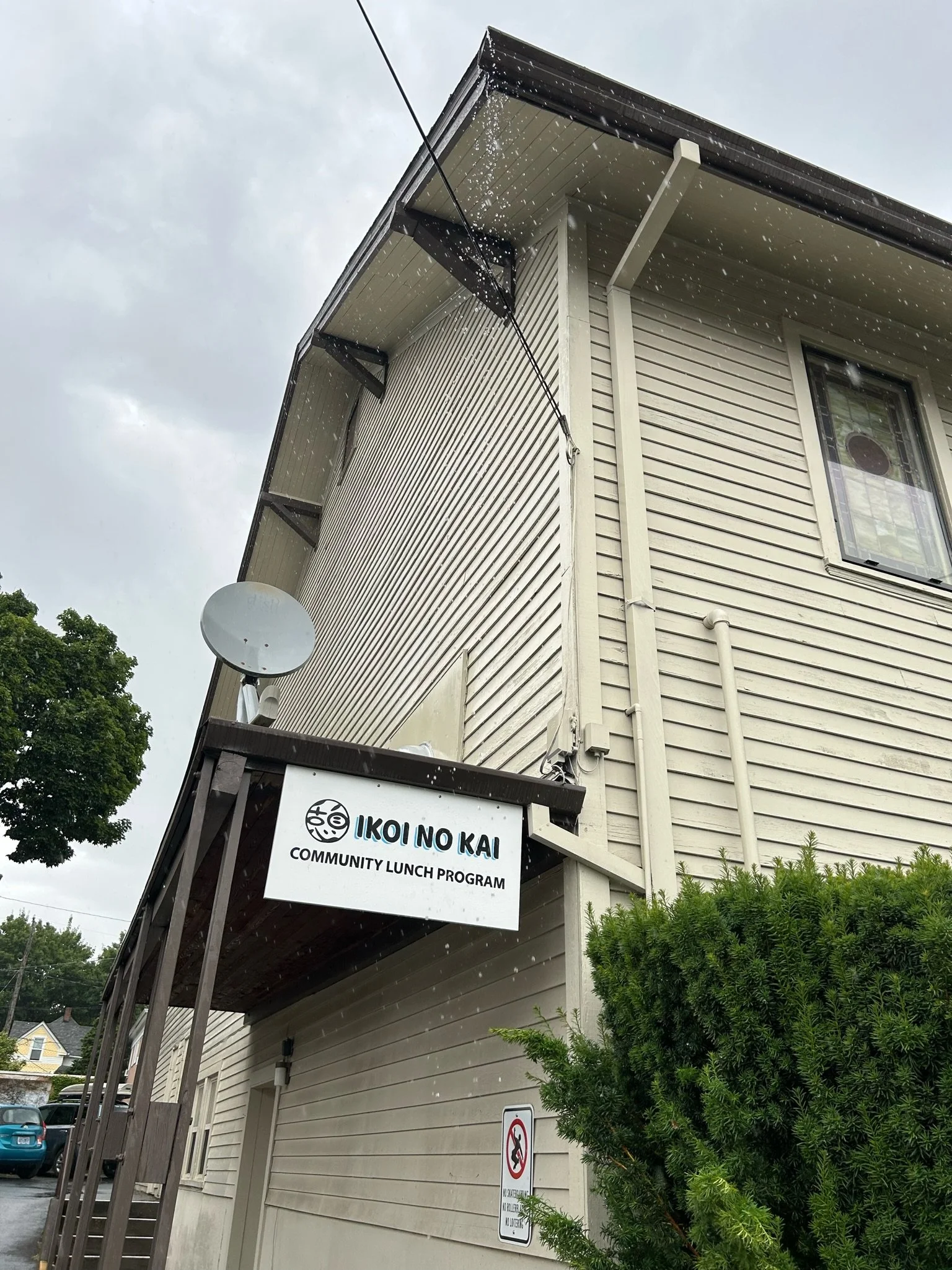
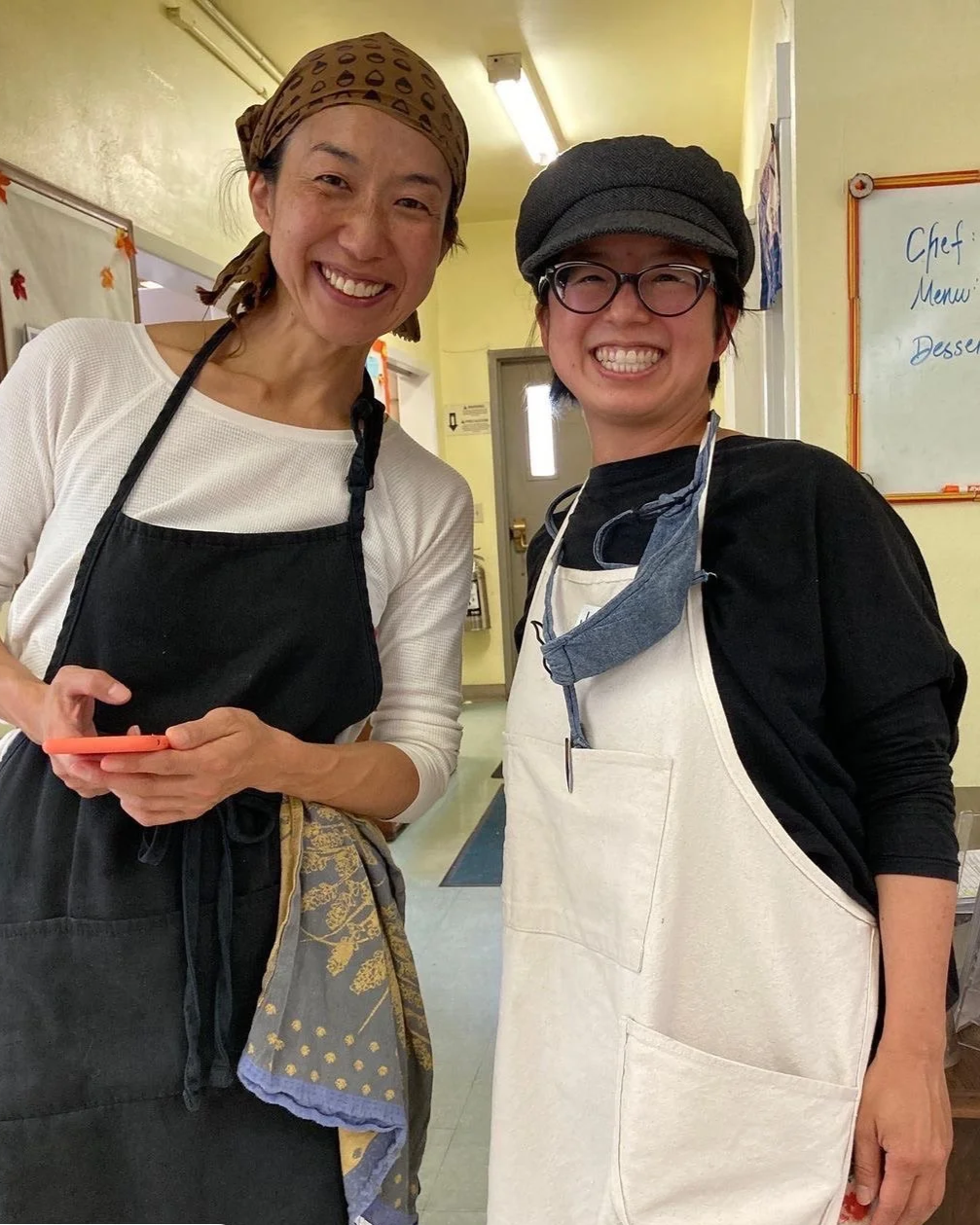
Jeannine makes me feel better. When I walk in the doors of Ikoi No Kai, I experience a shift in mood and attitude. I’m convinced it’s because of the authenticity of Ikoi No Kai as a true community space with real values. I like to see Jeannine at work, handling her many responsibilities with a calmness that clearly inspires her large team of volunteers and collaborators. I love to see the way Jeannine leads with attention, respect, and patience. Without ego or domineering.
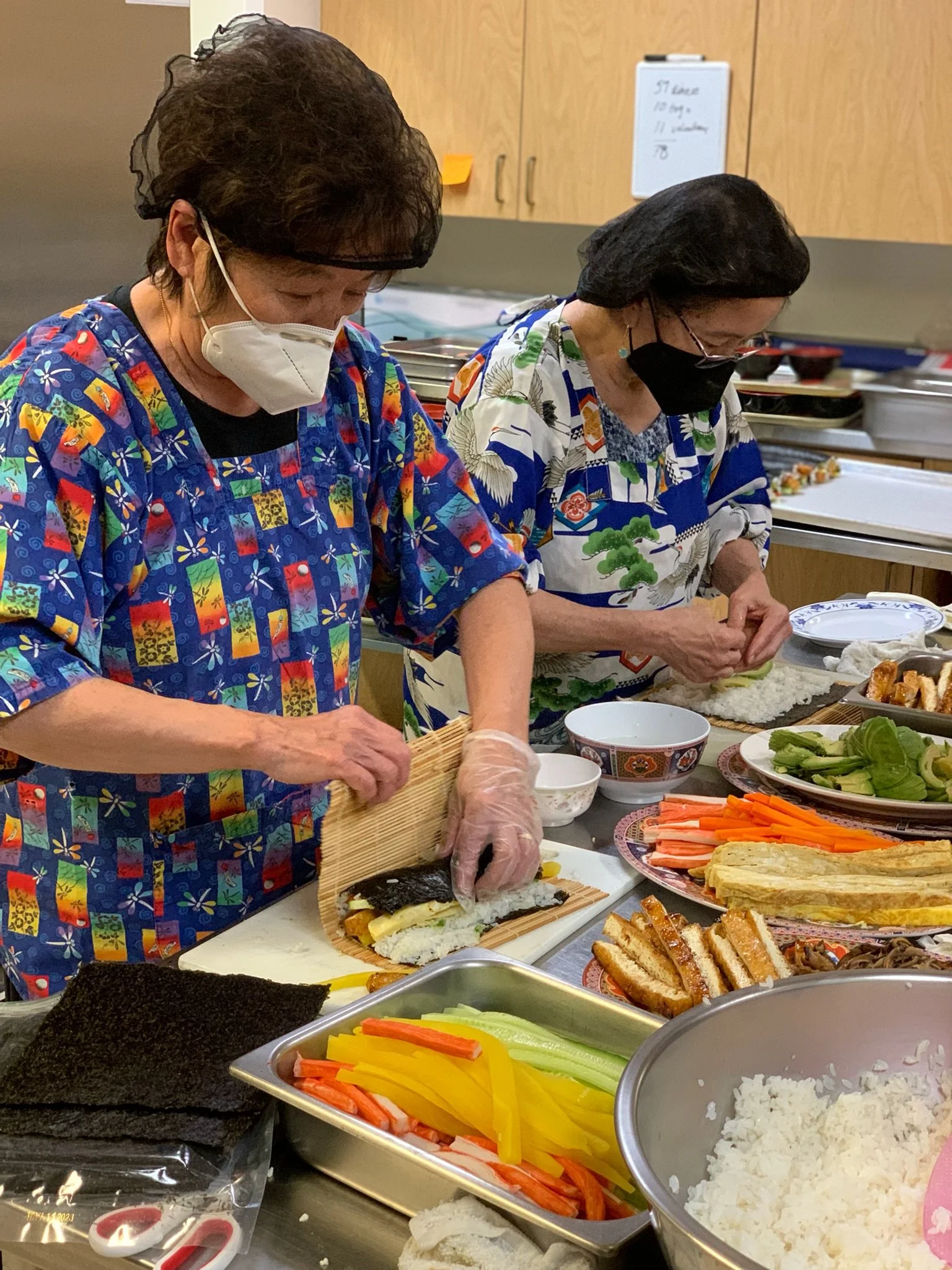
In this interview, Jeannine discusses the history of Ikoi No Kai from their founding in 1979 to her tenure as Executive Director beginning in 2021. She talks about her intentions of curating Ikoi No Kai as a true community space that goes far beyond providing meals to Asian elders. Ikoi No Kai, with Jeannine’s leadership, is something special. I think many people are just looking for something authentically wholesome. A container in which they can be held and also be more wholesome themselves. That’s what Ikoi No Kai provides.
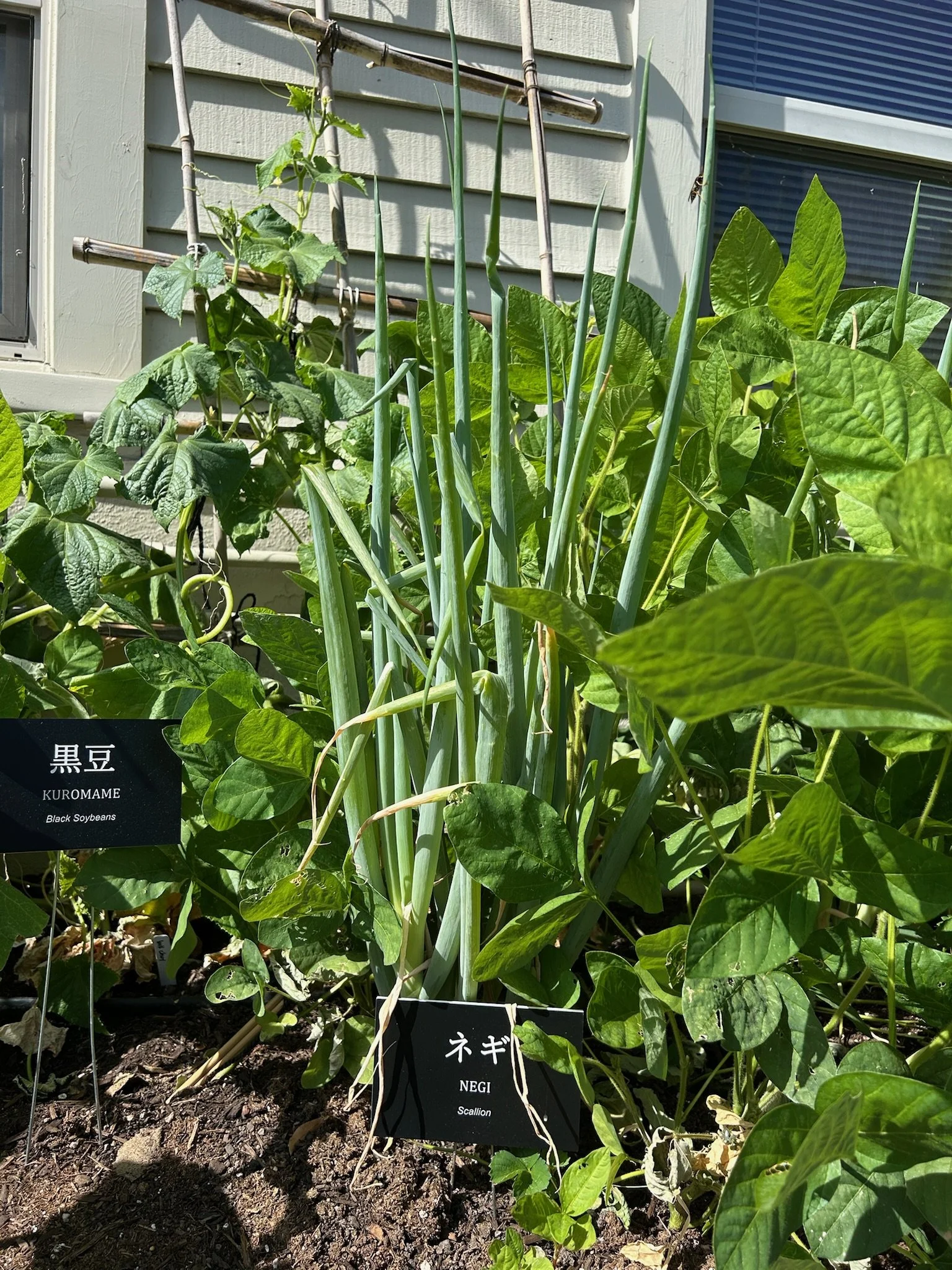
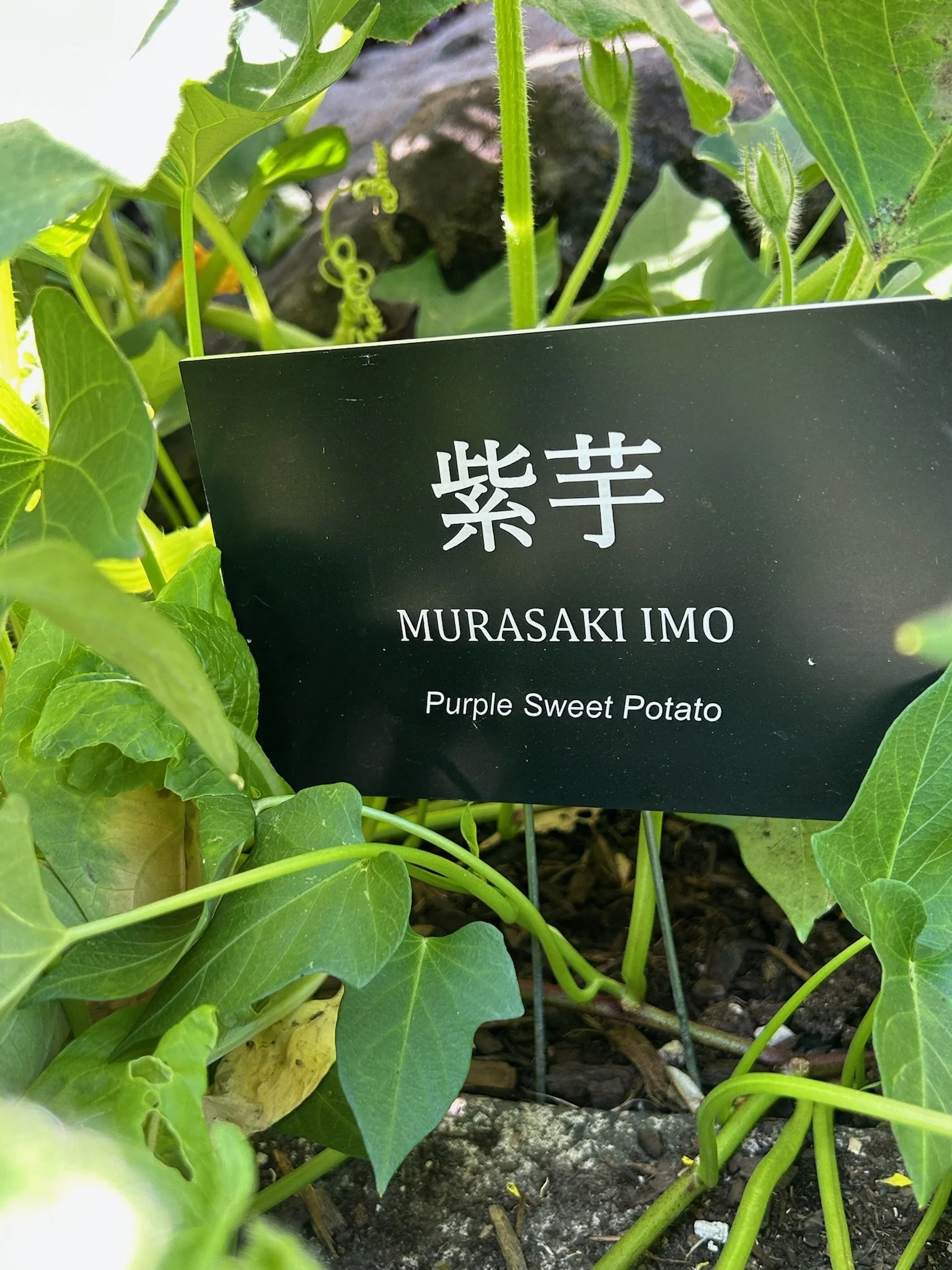
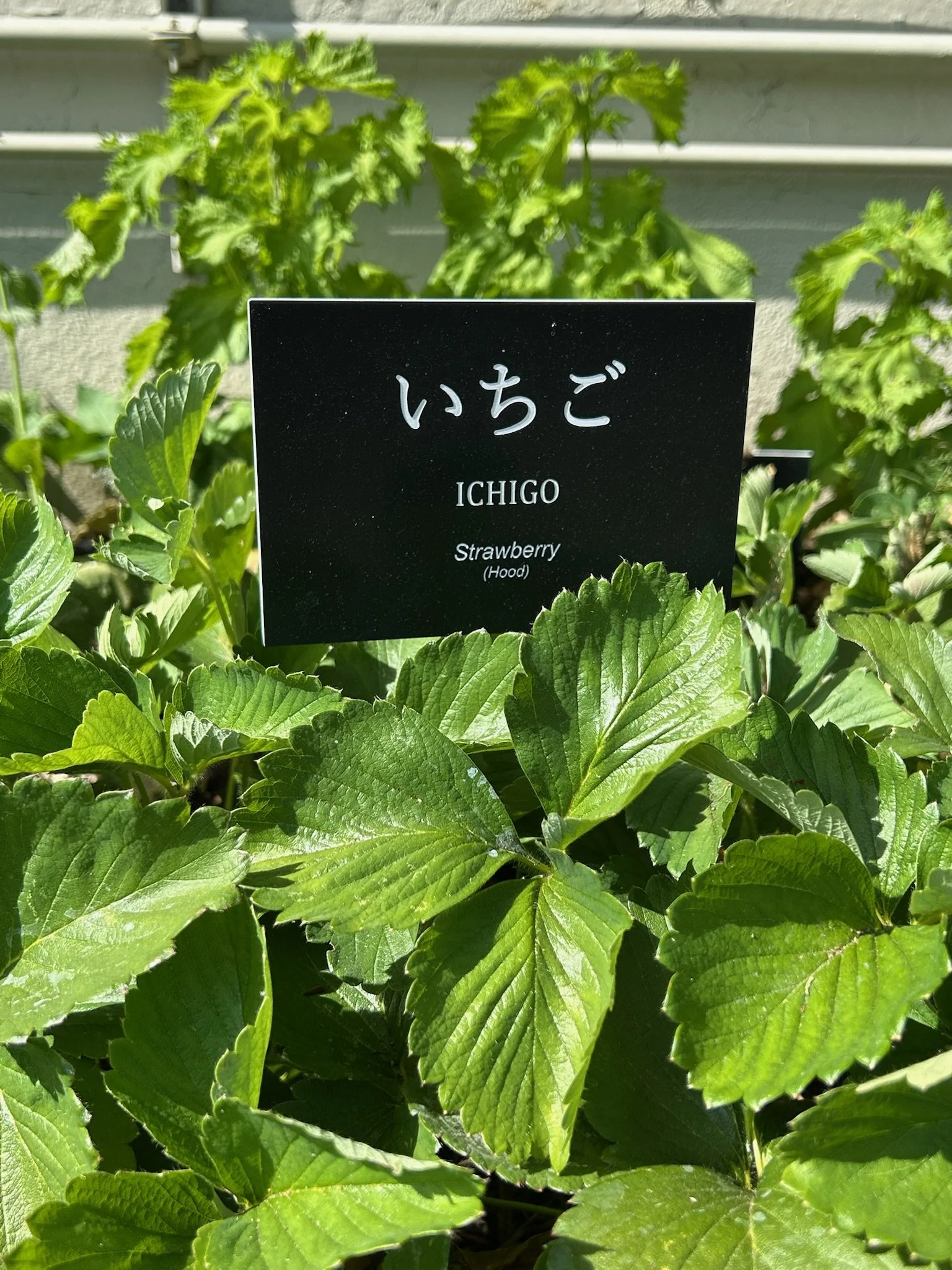
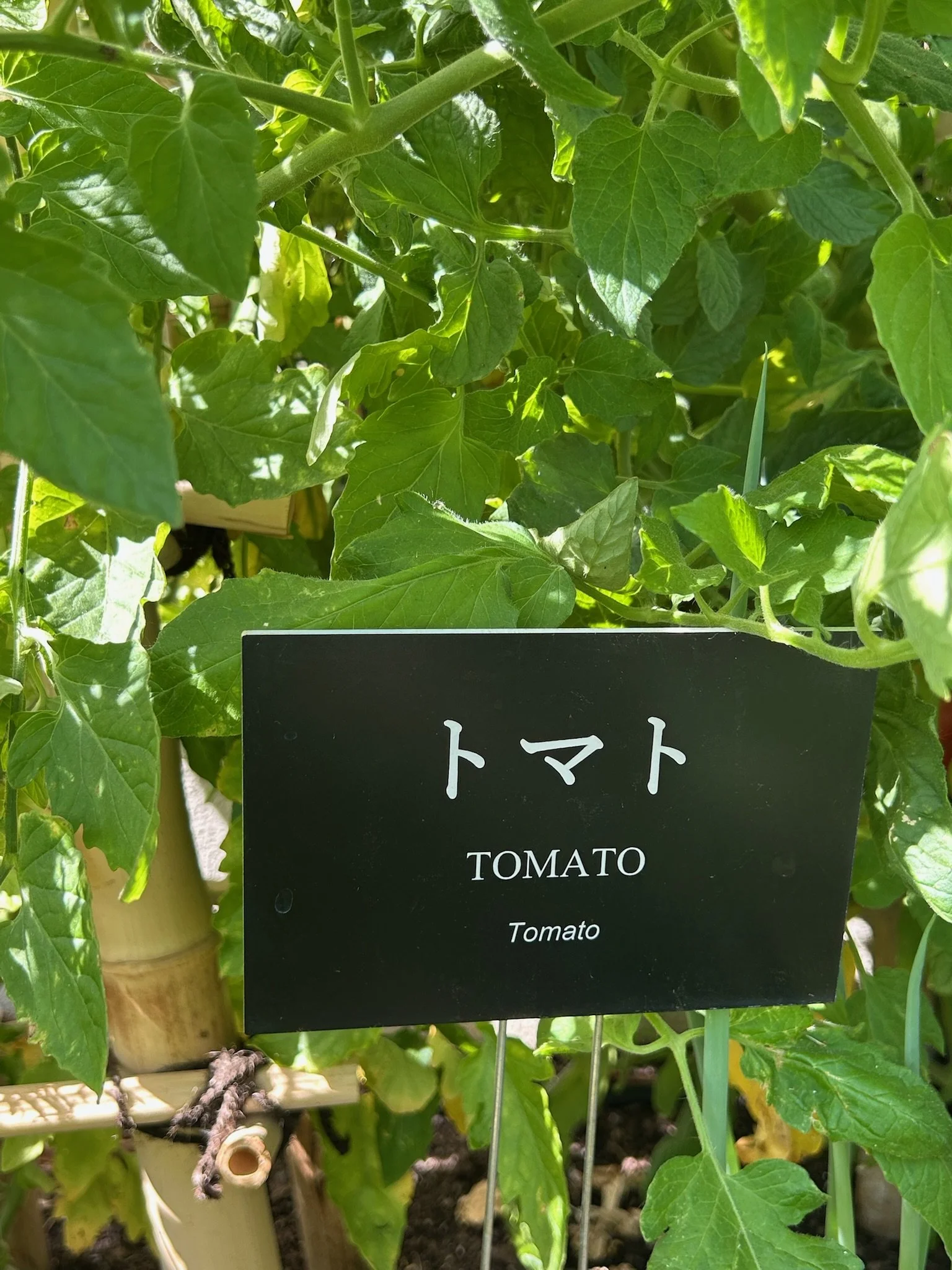
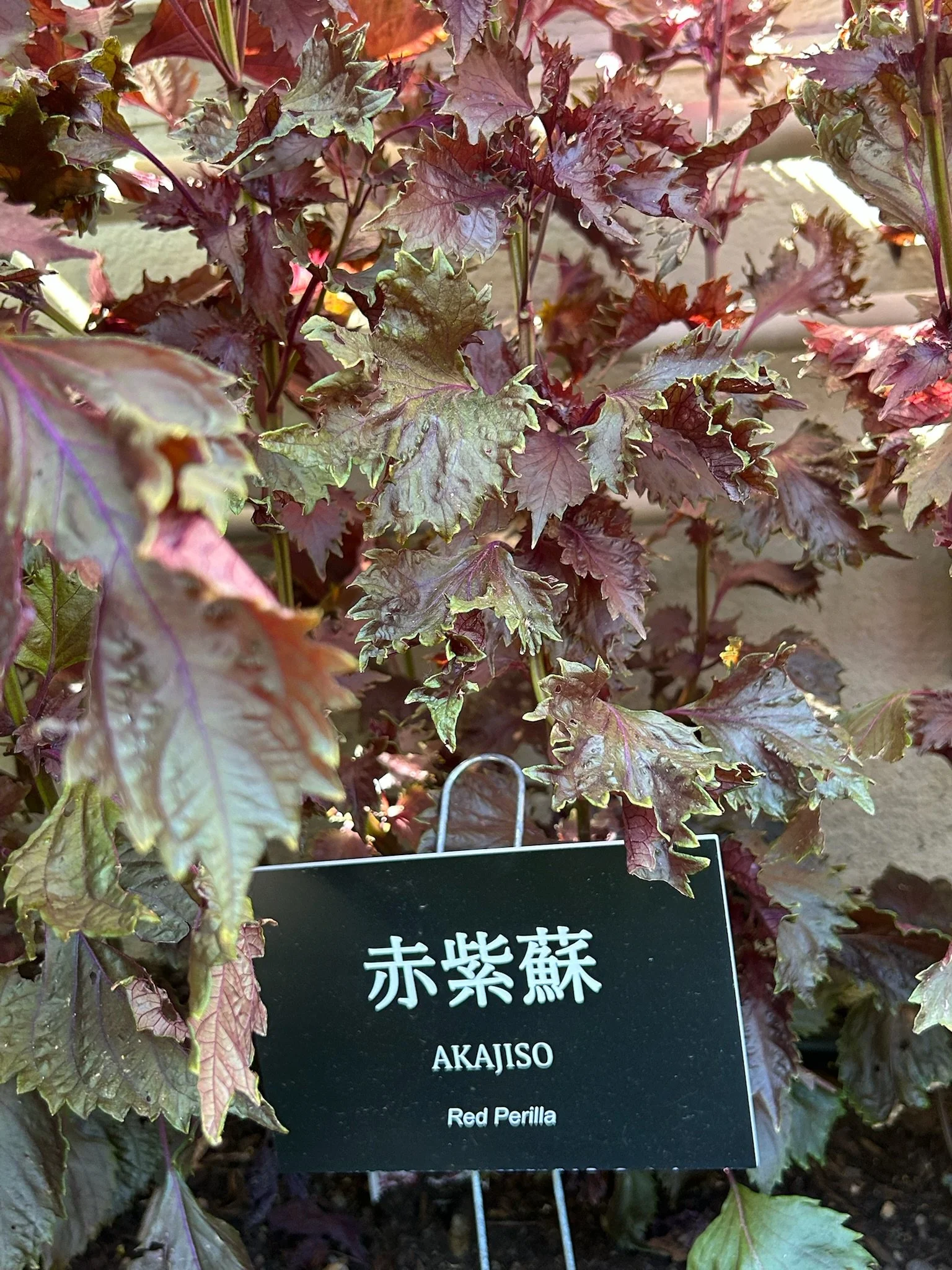
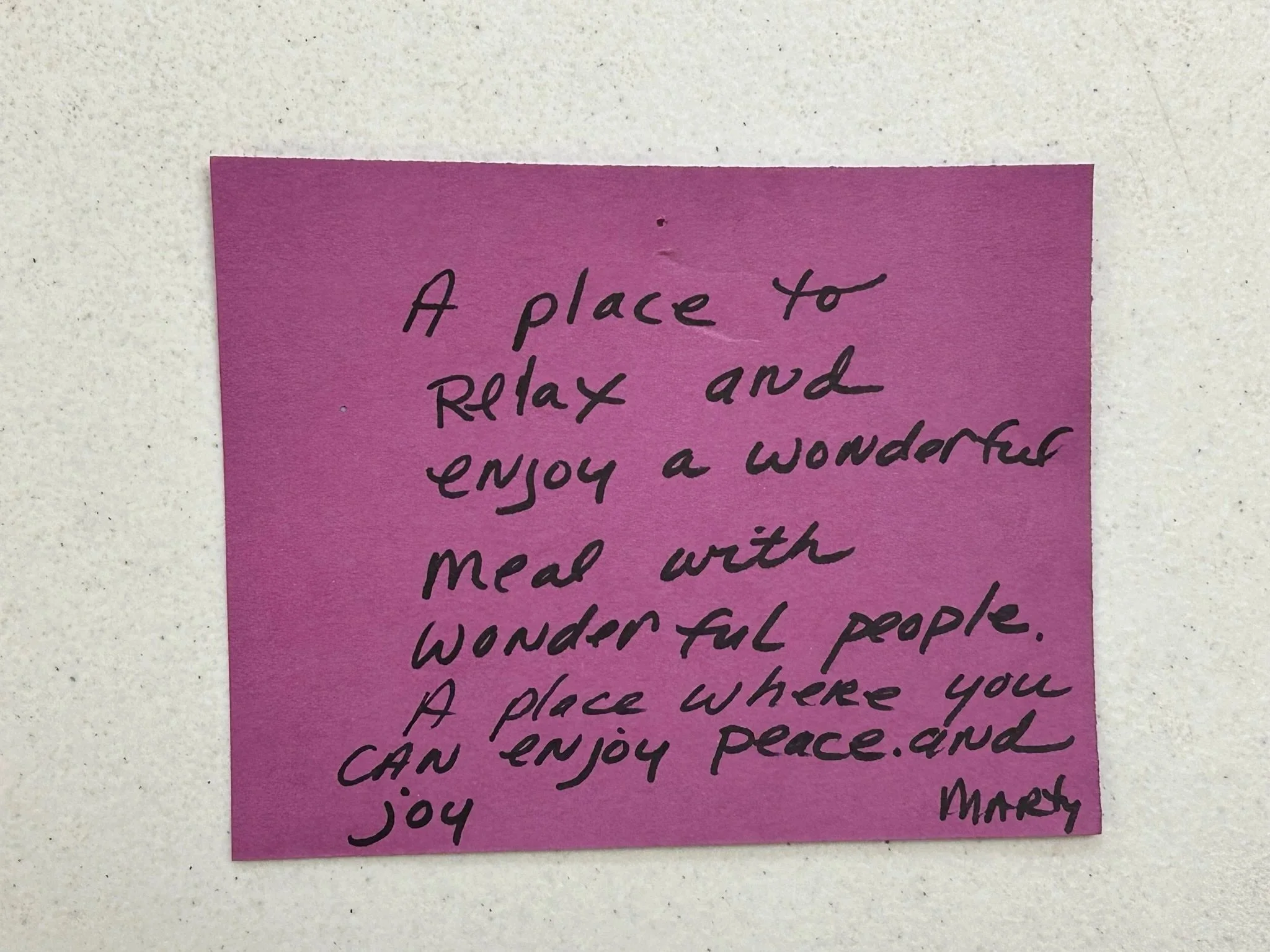
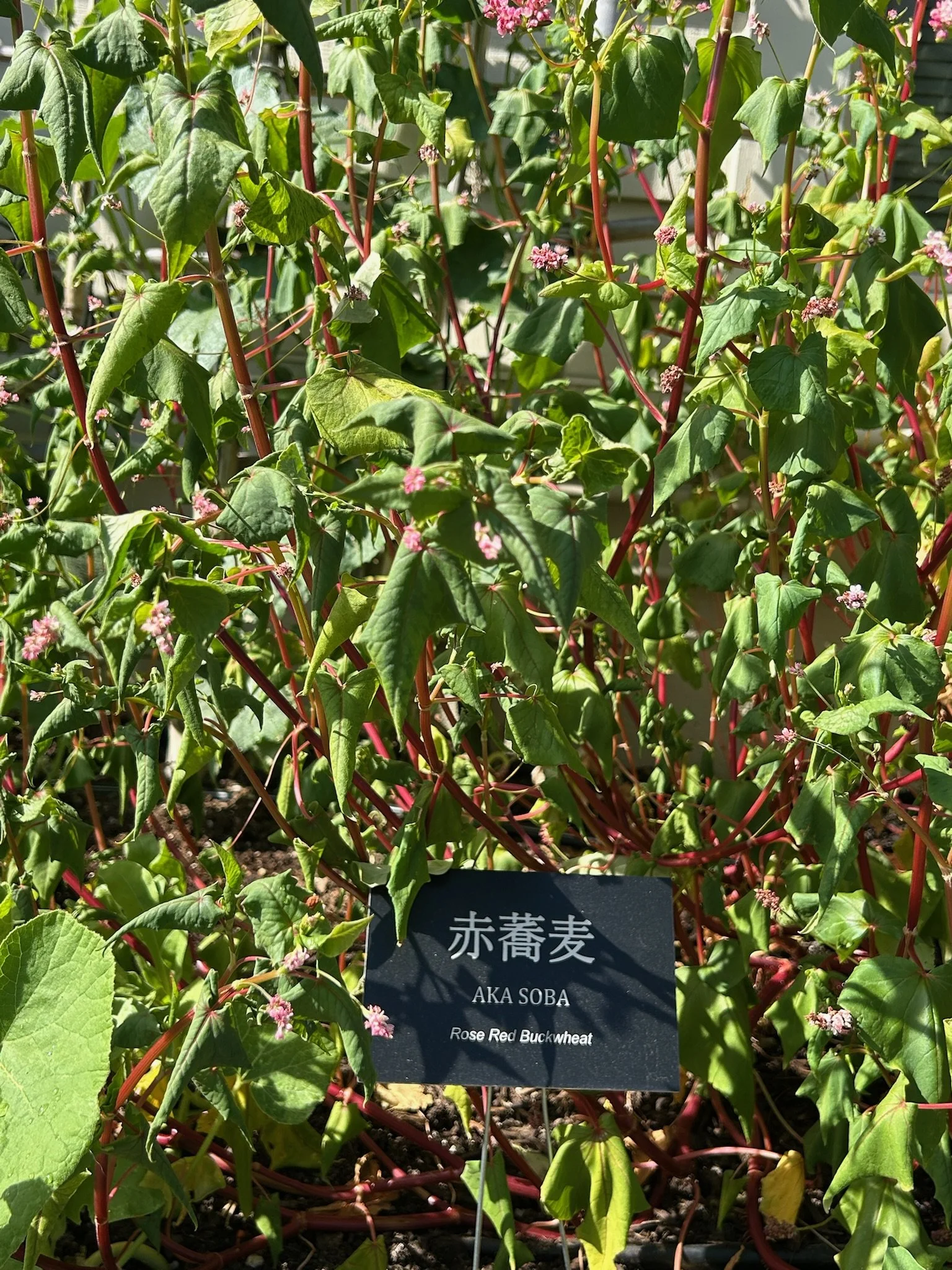
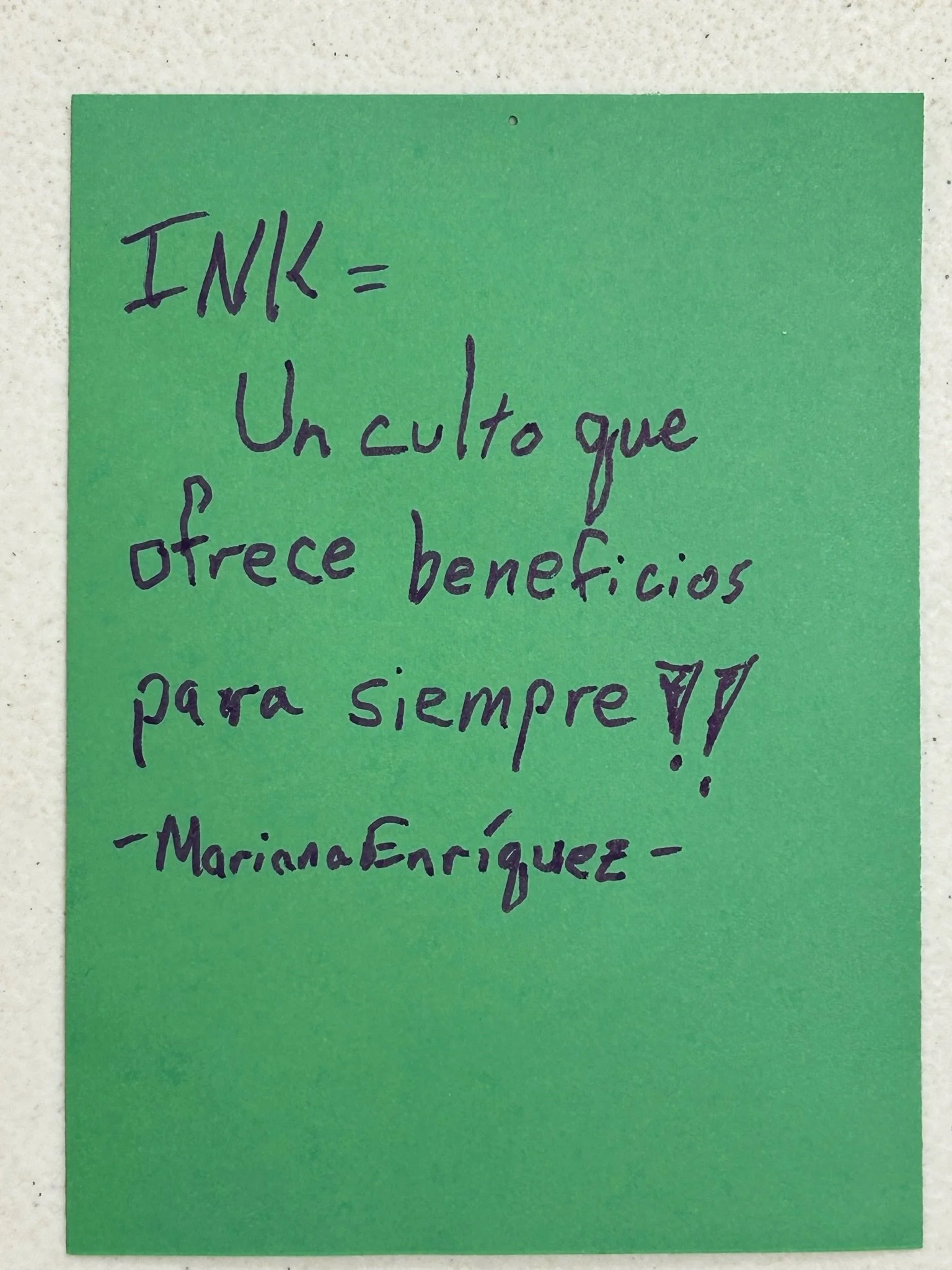
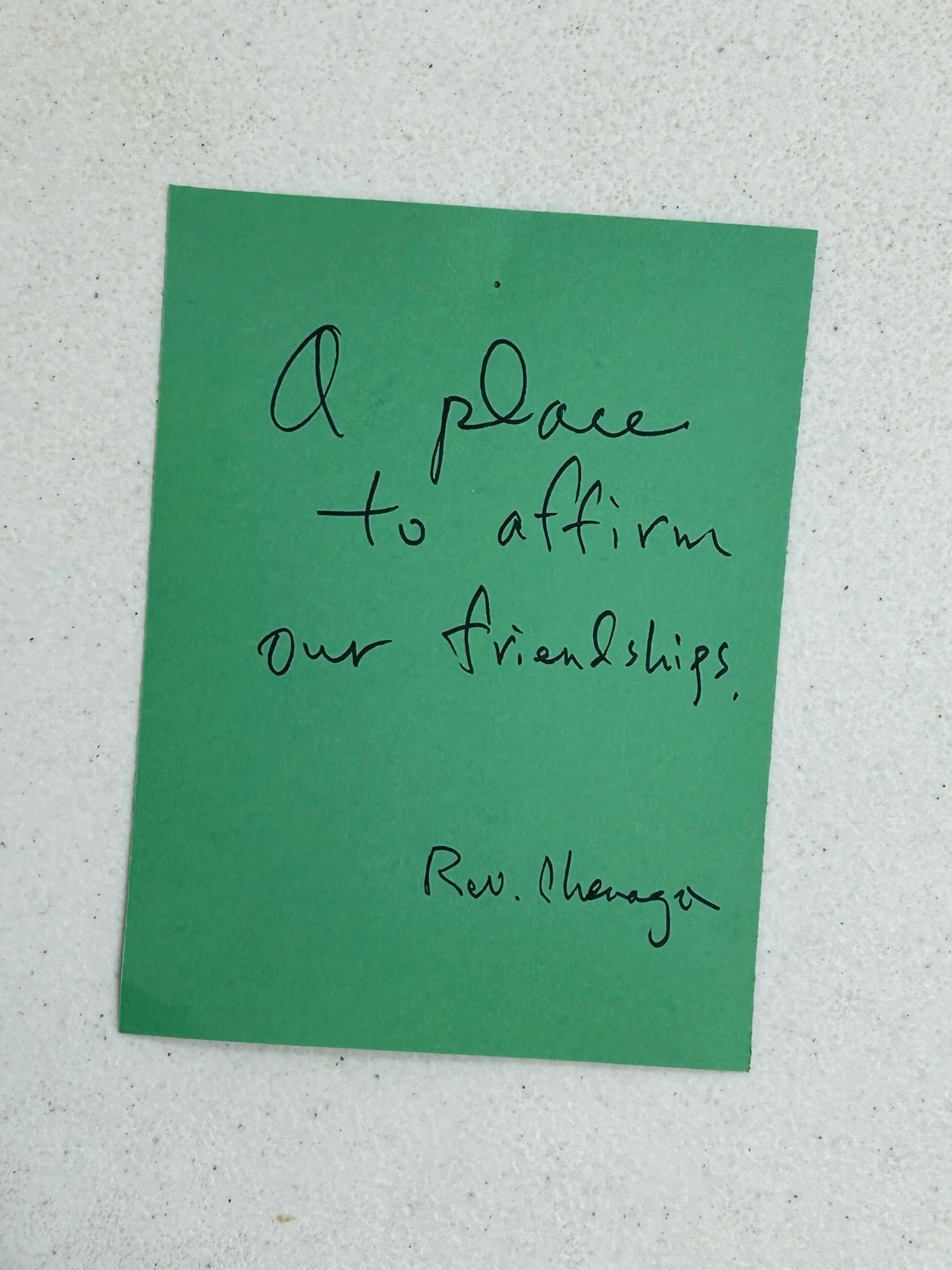
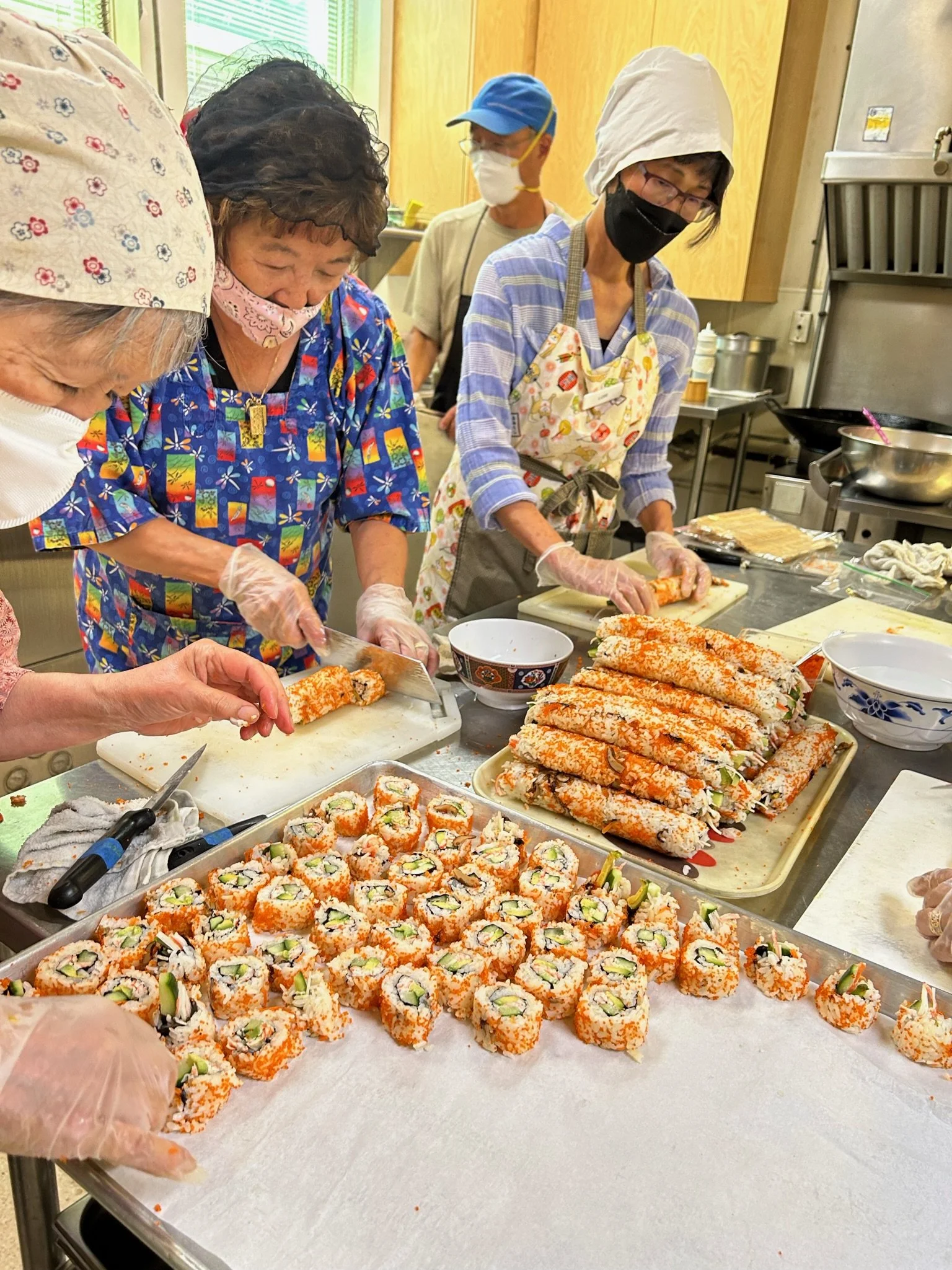
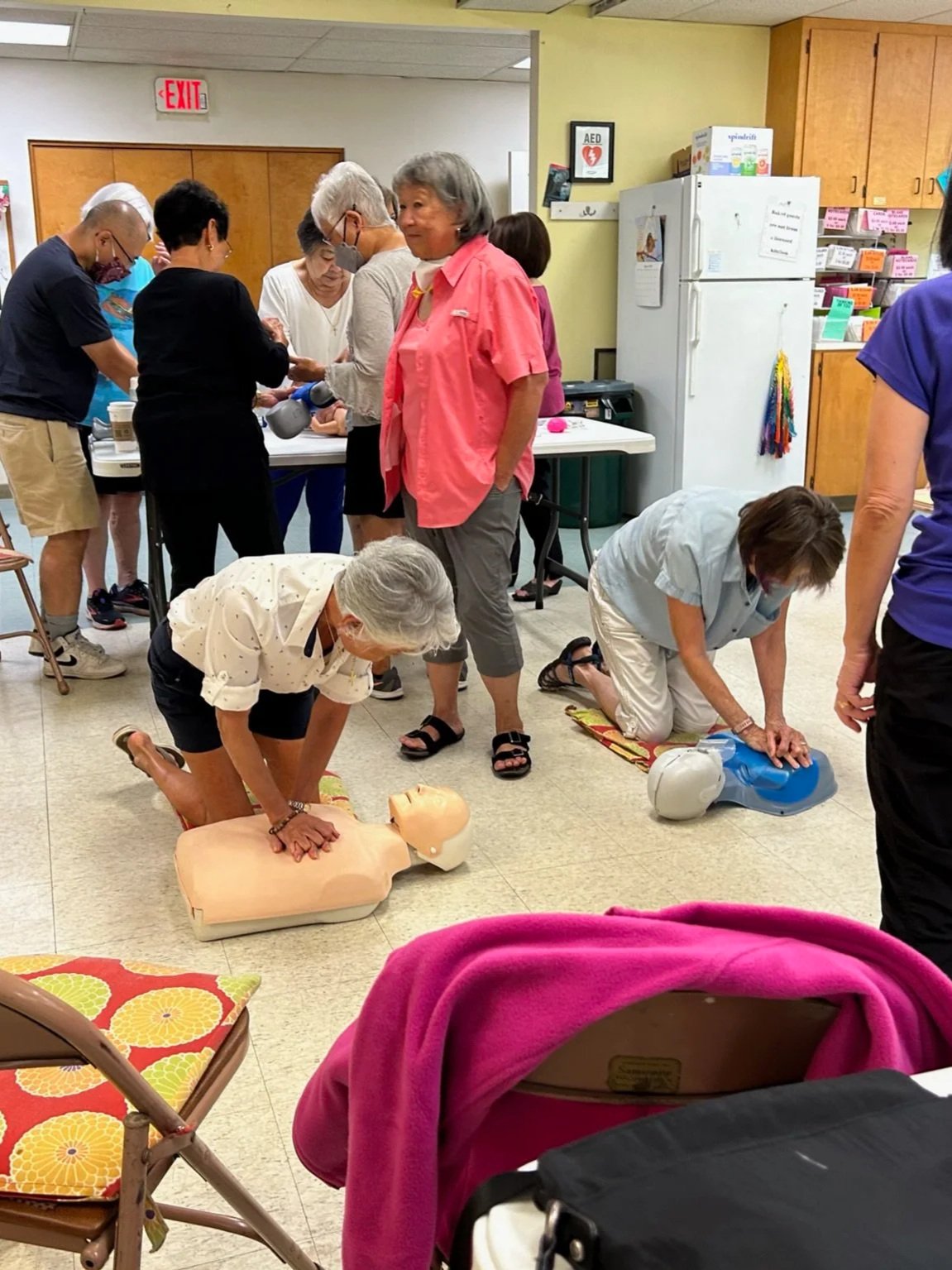
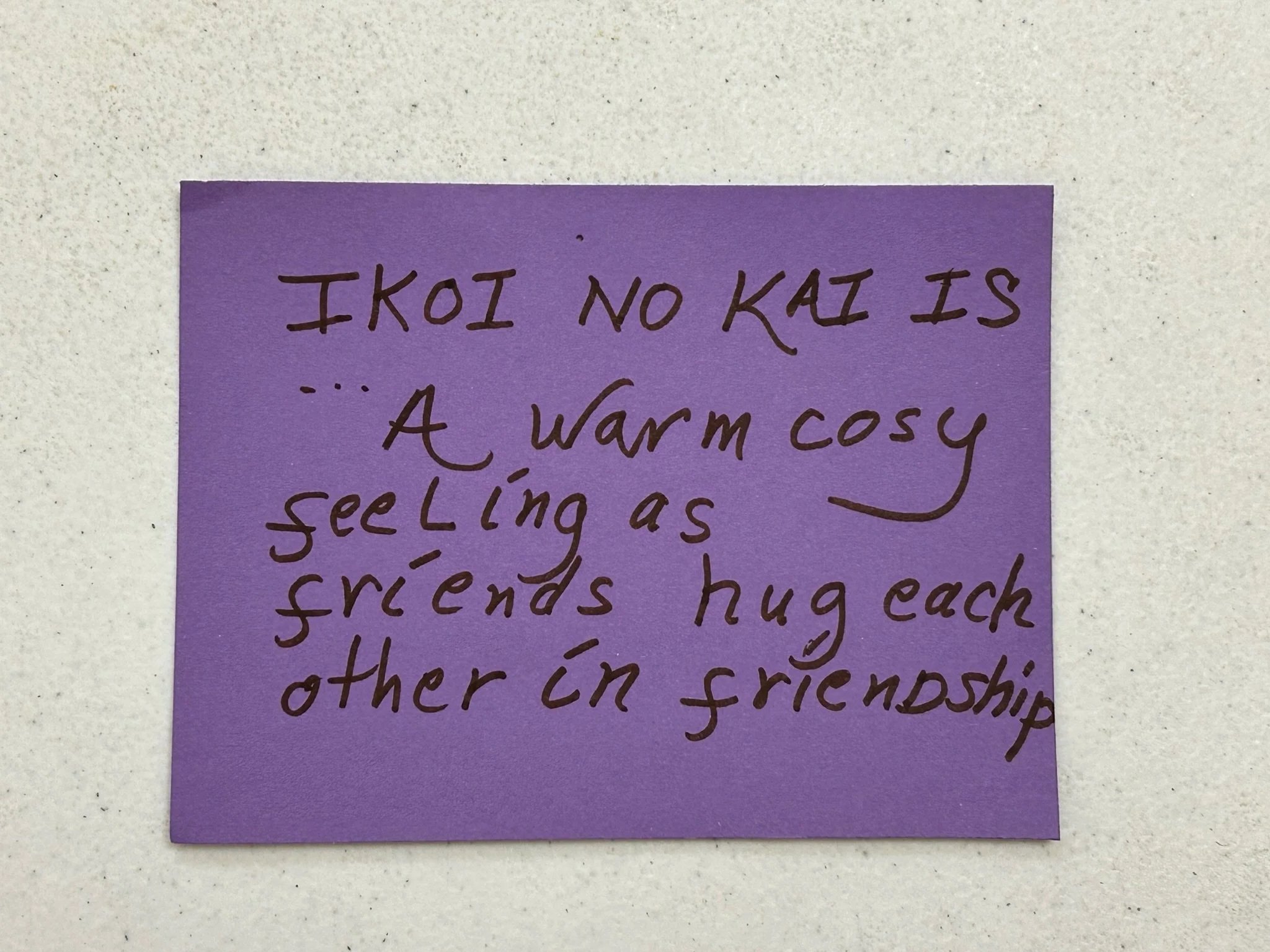
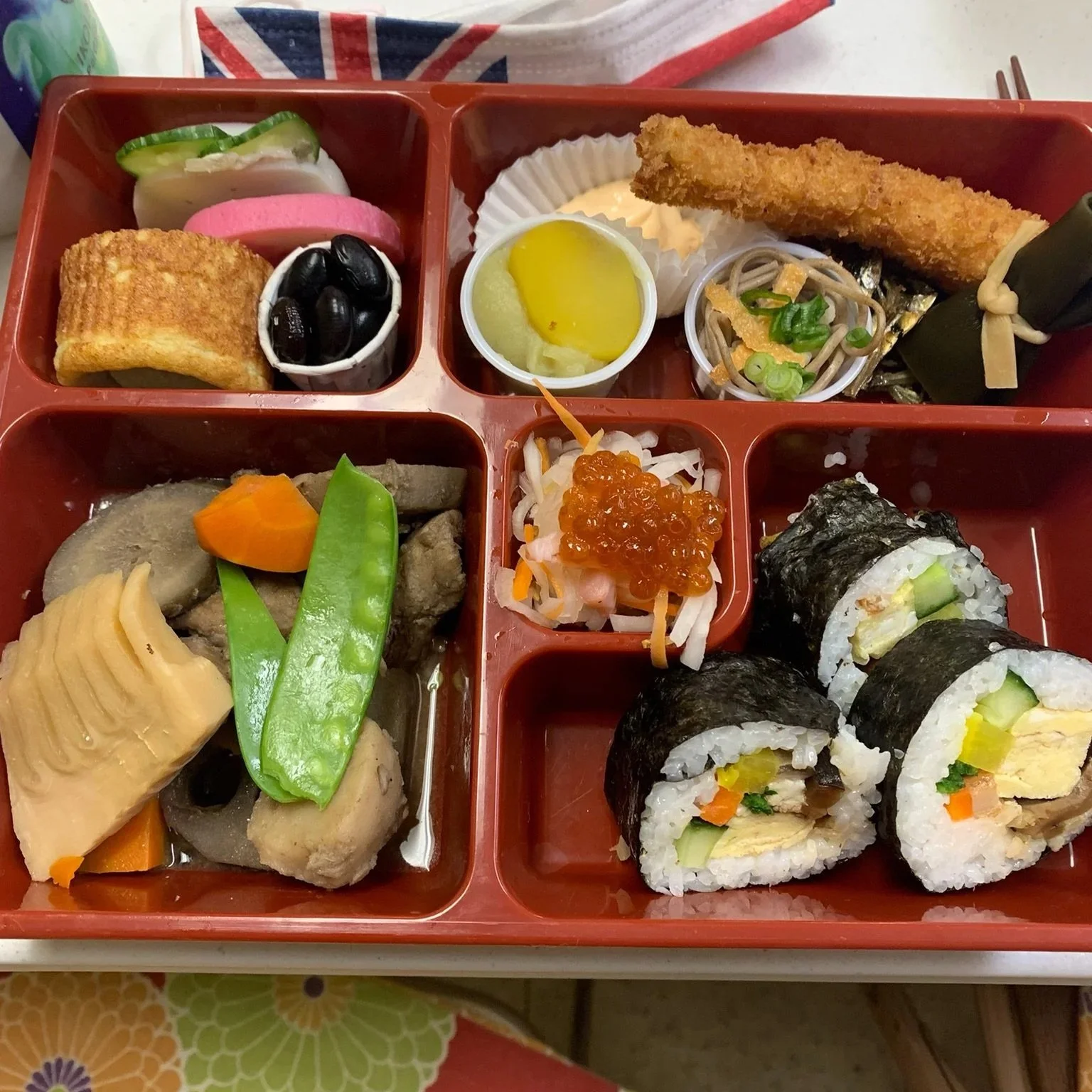
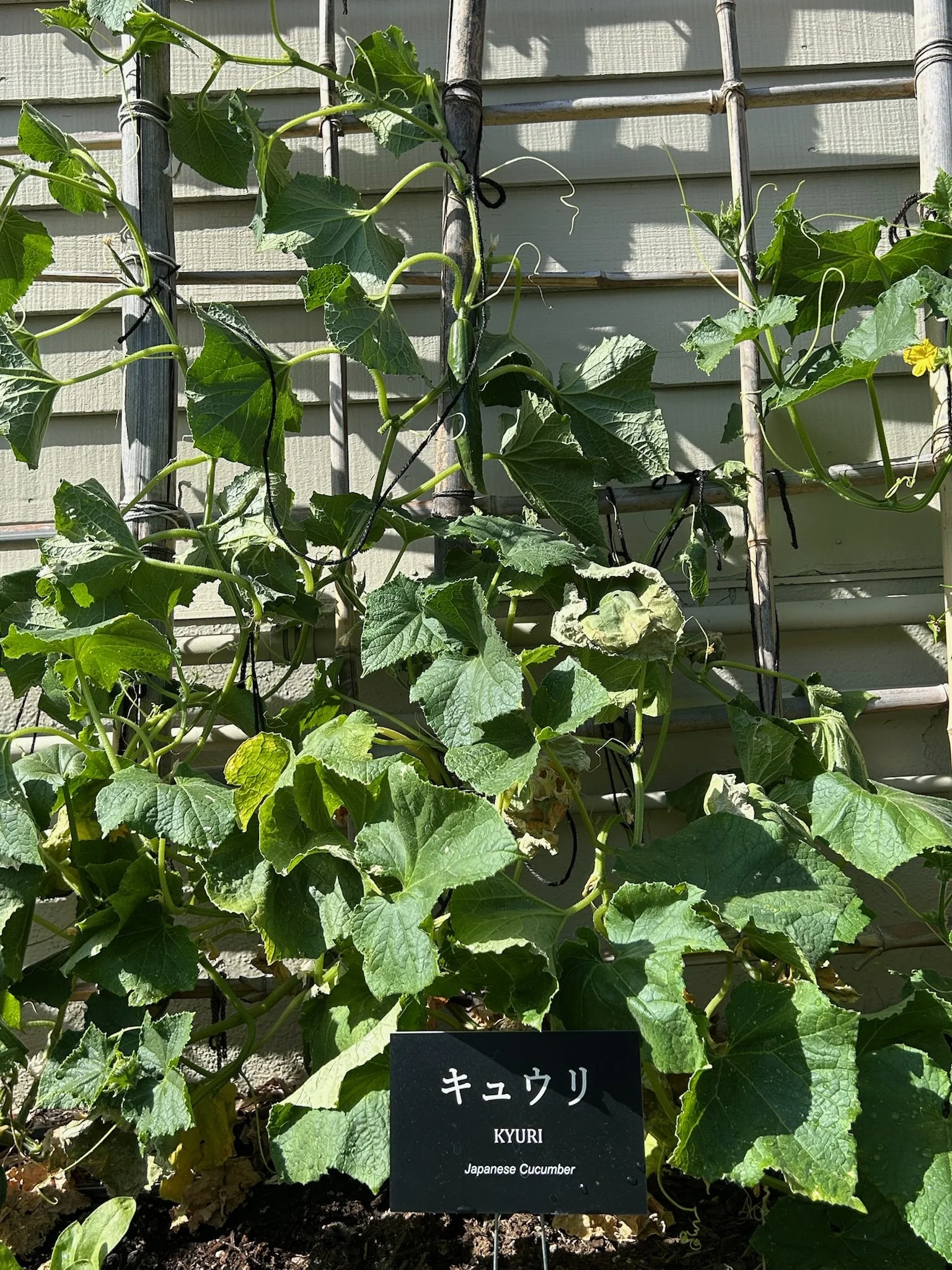
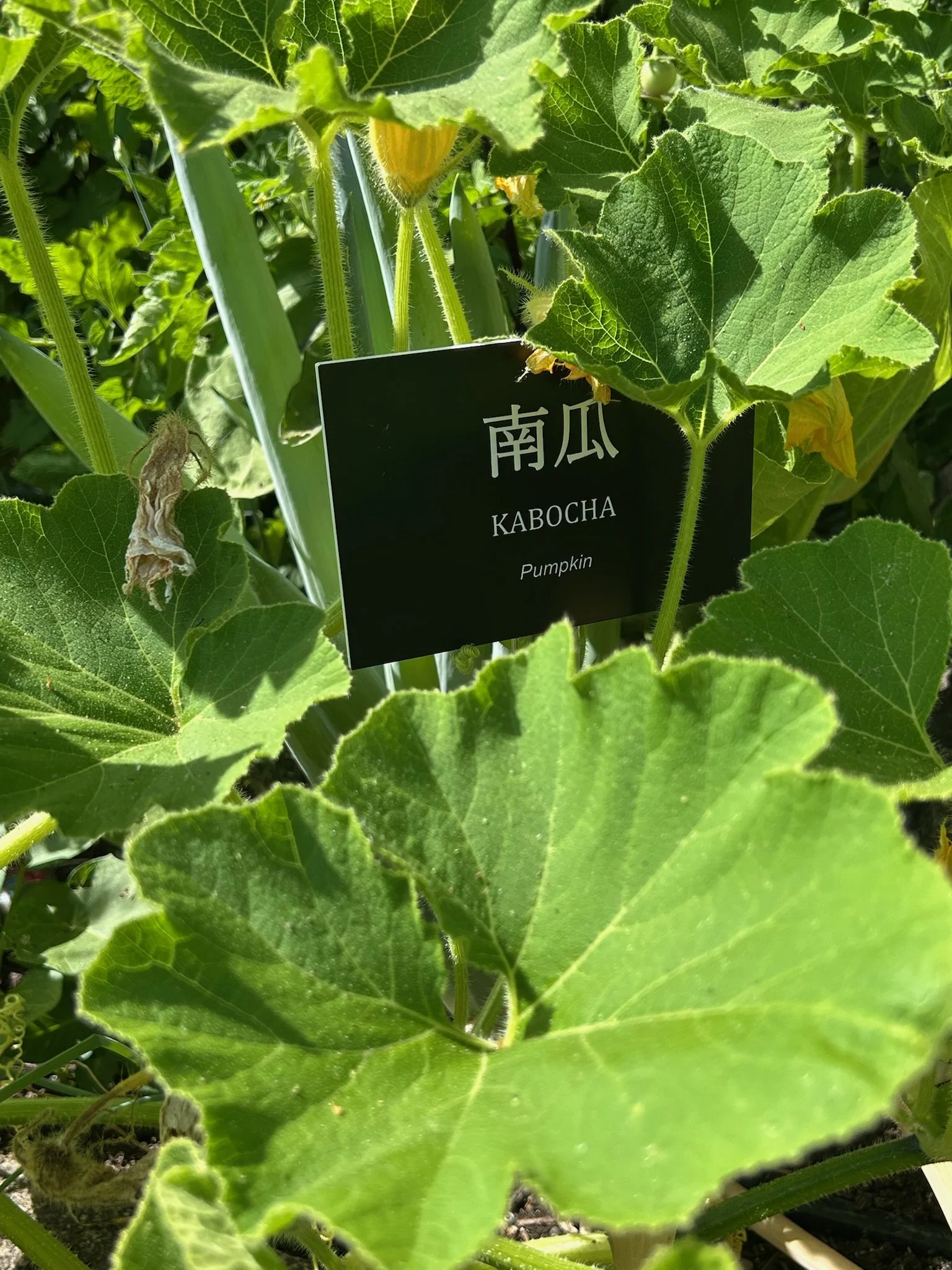
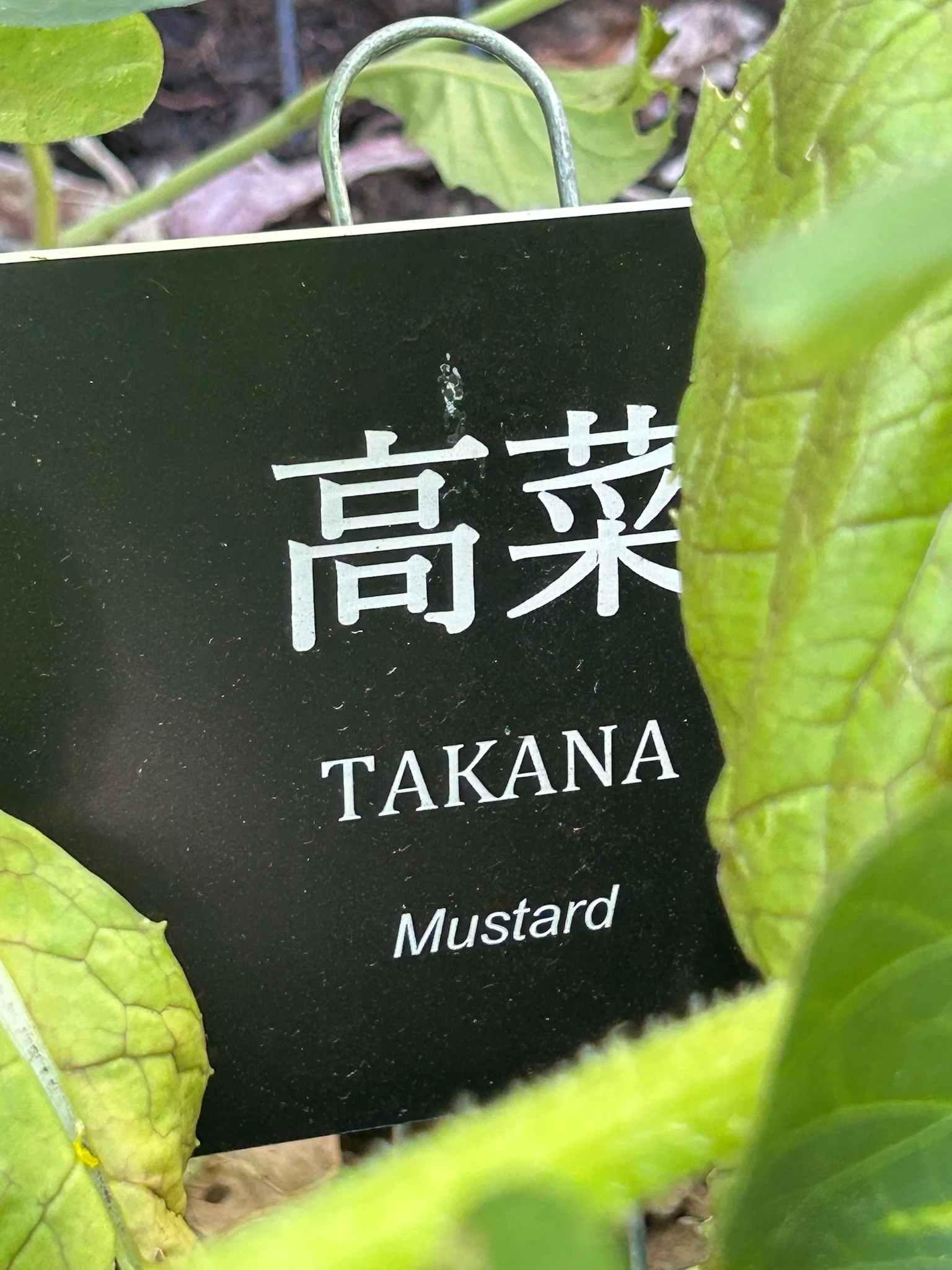
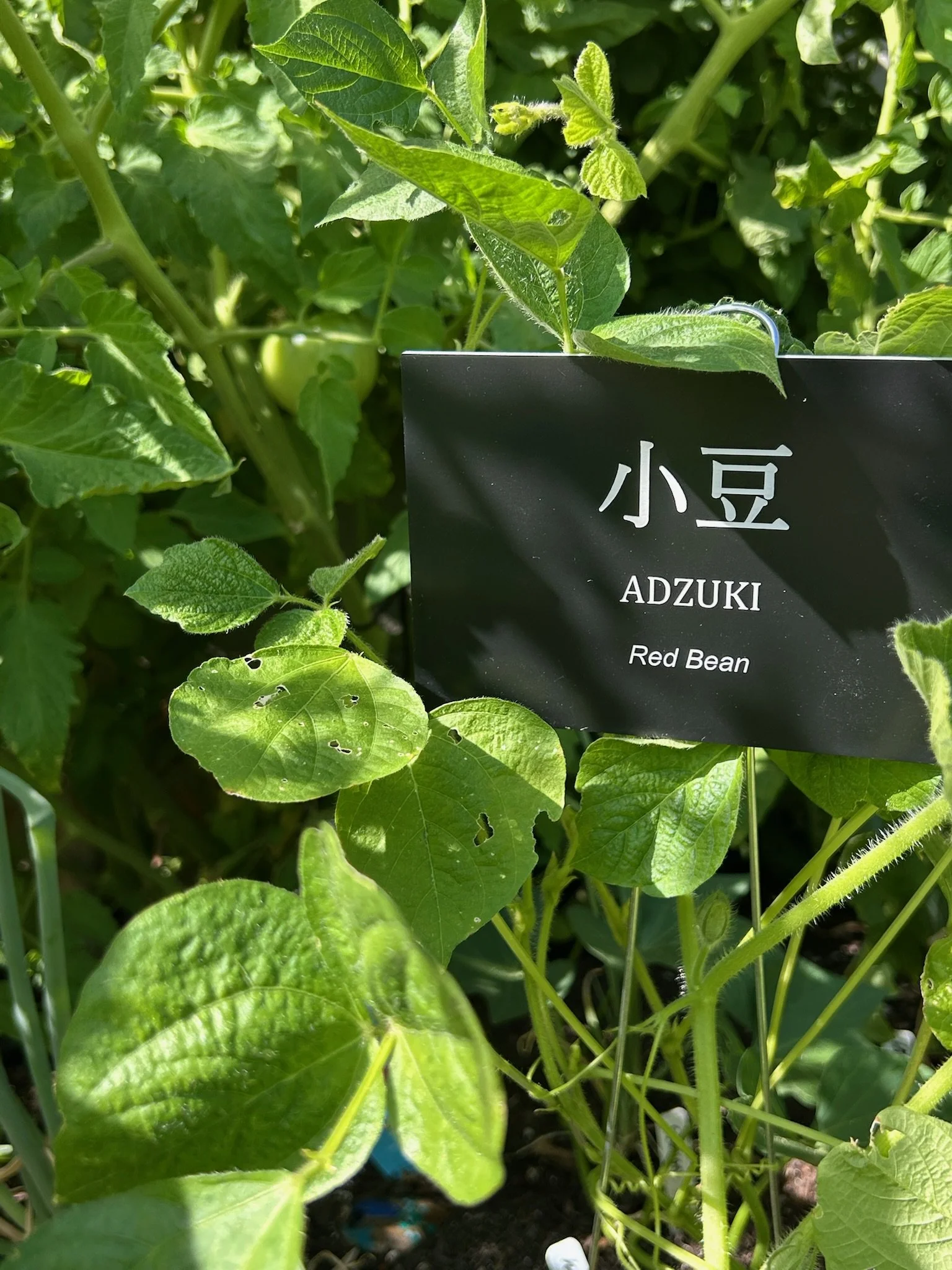
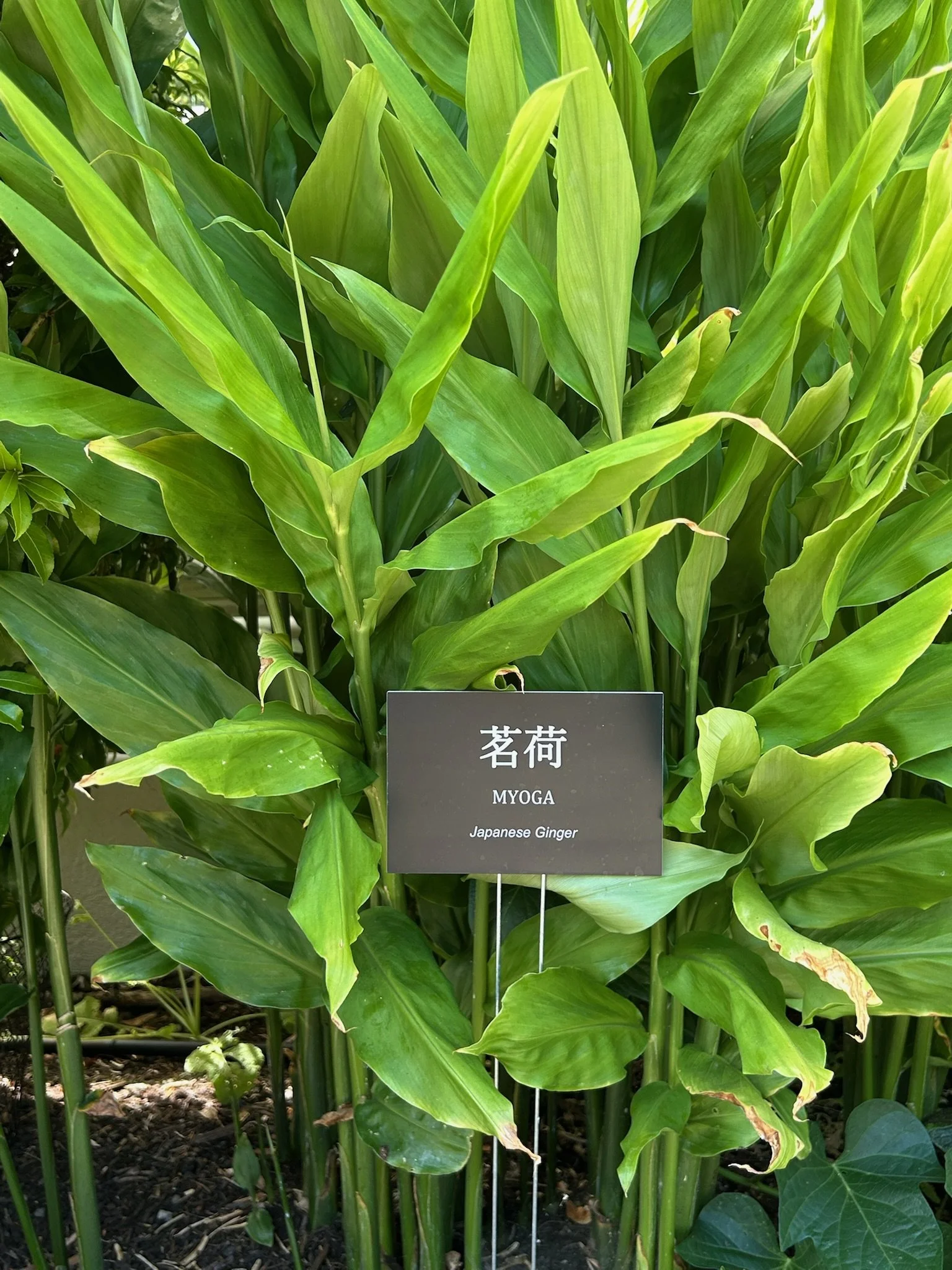
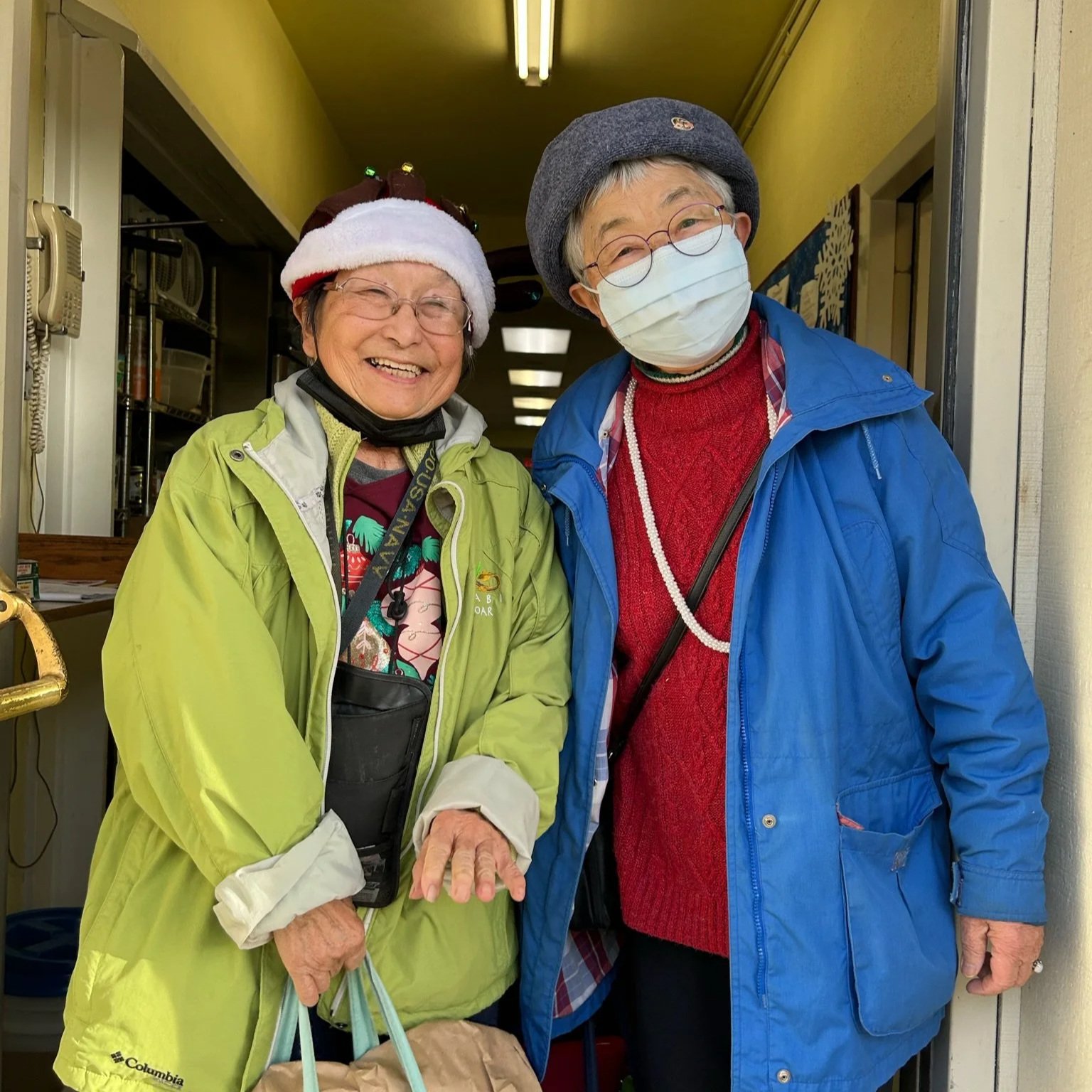
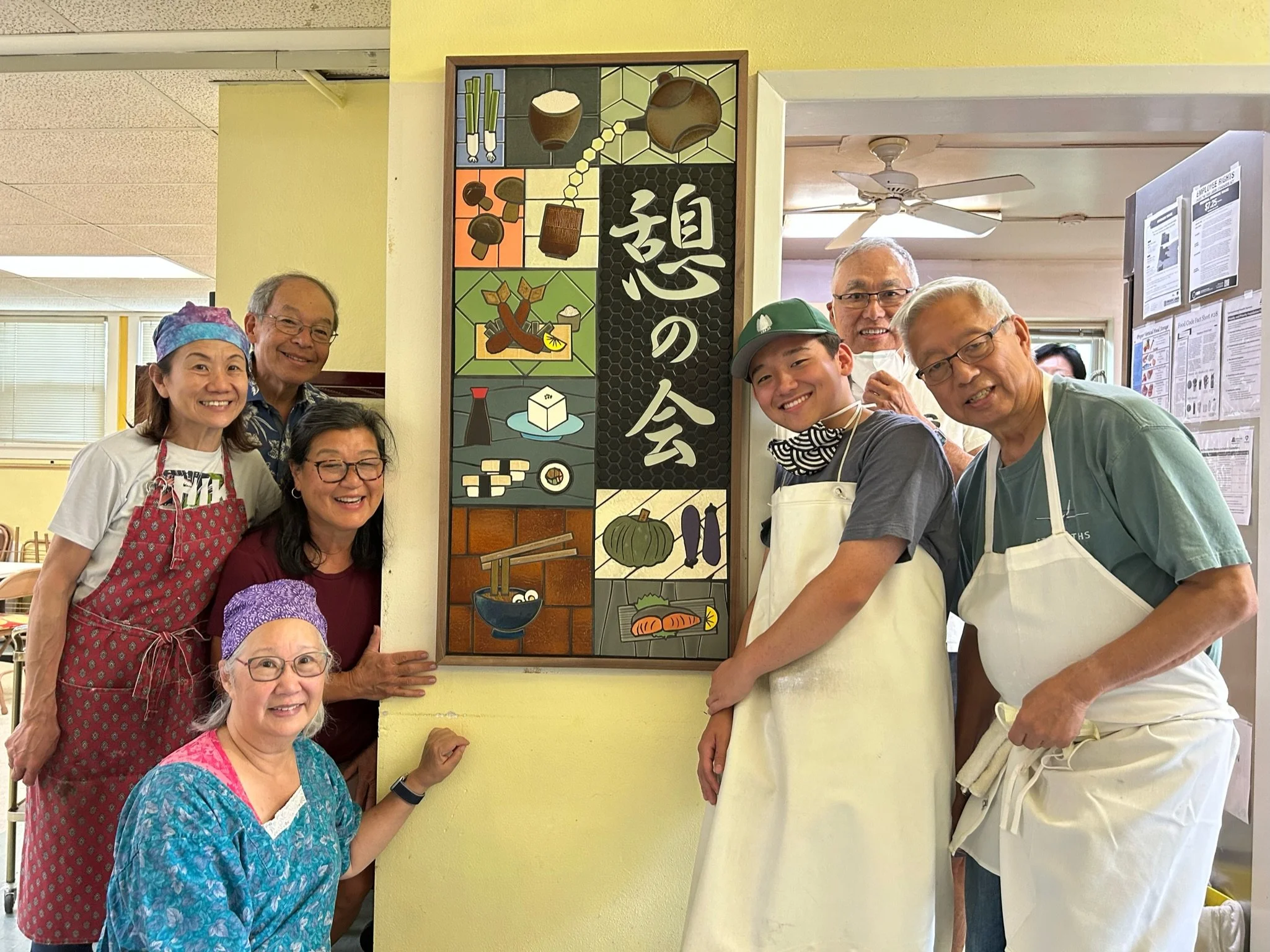
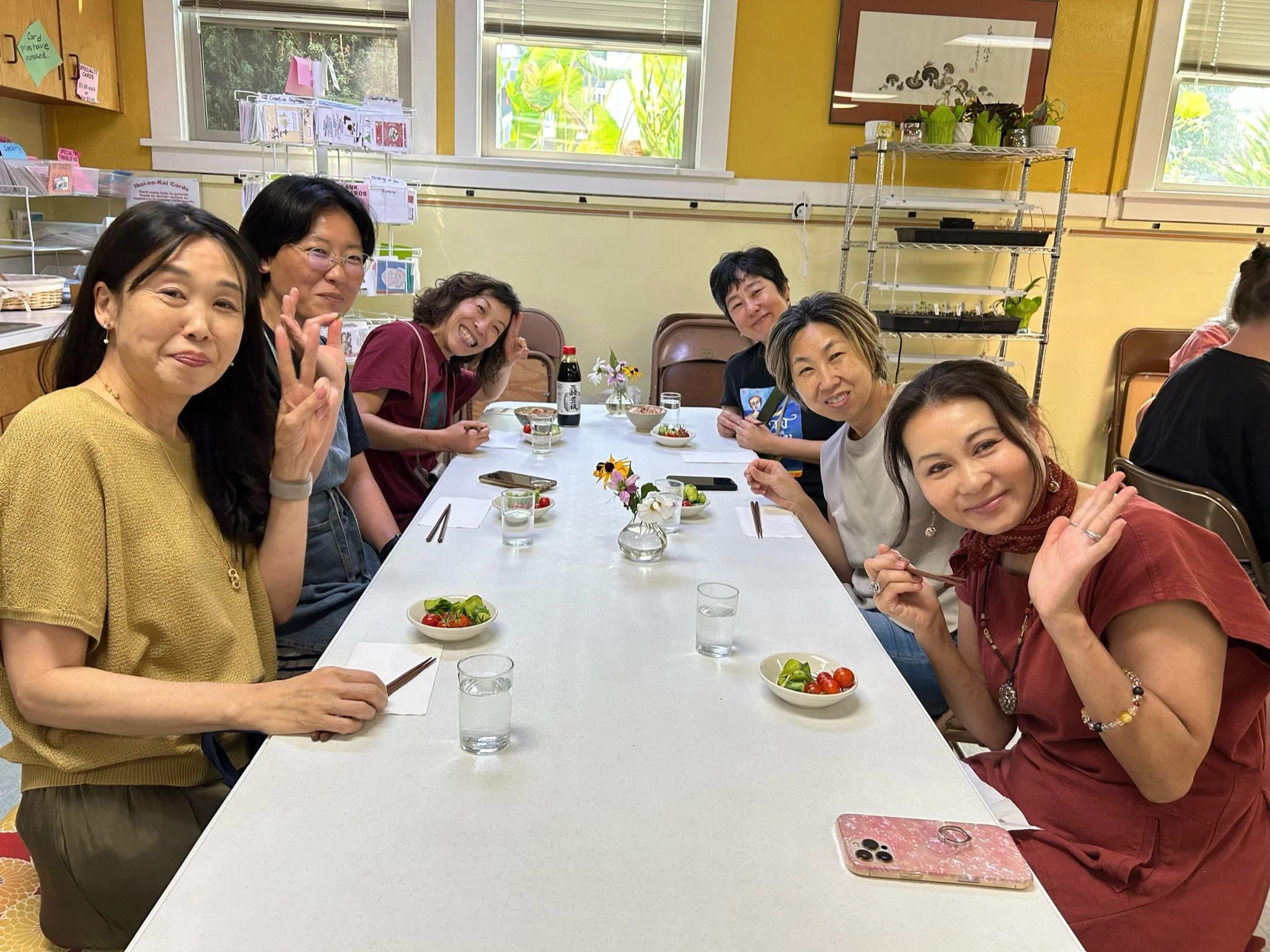
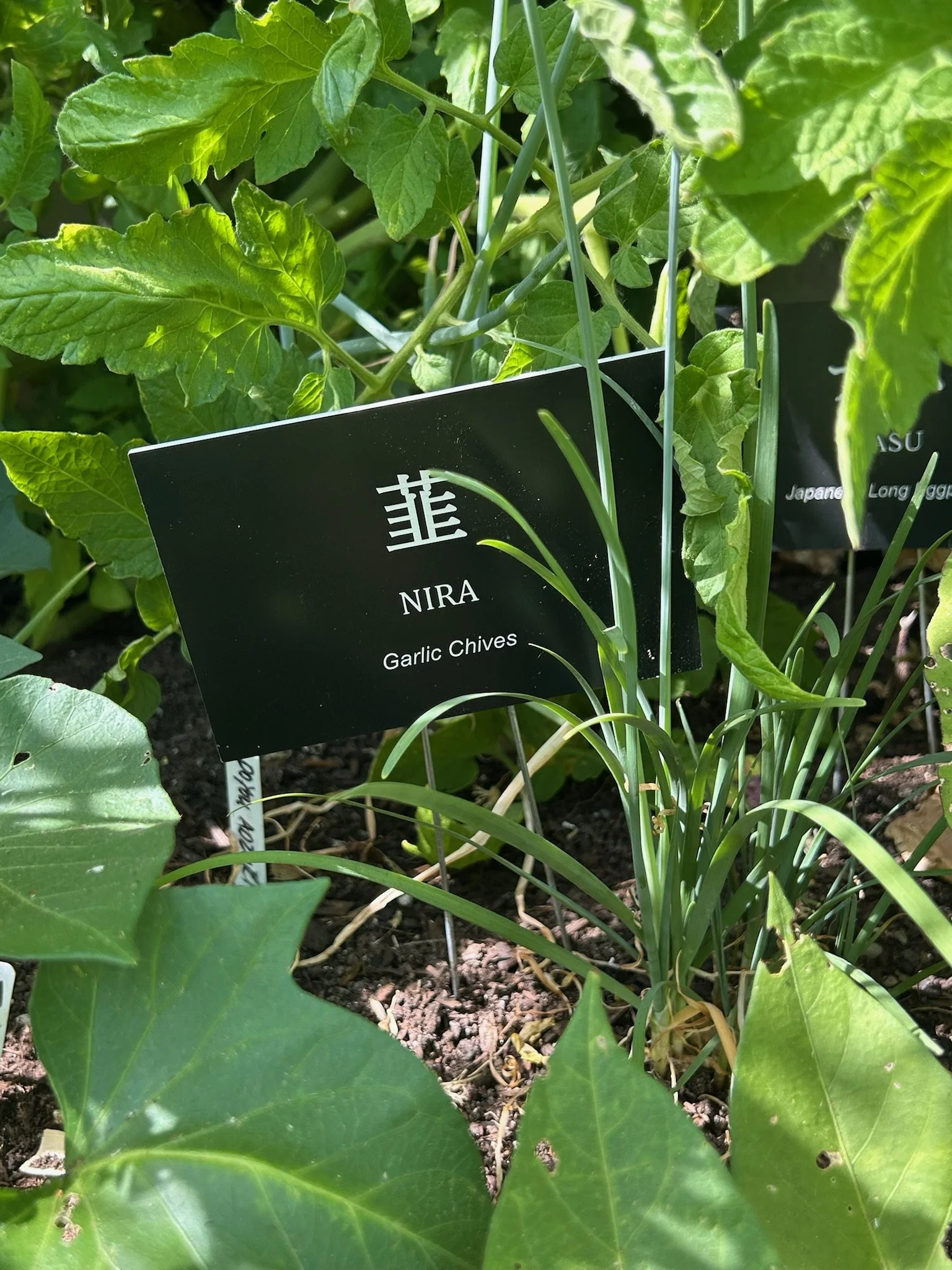
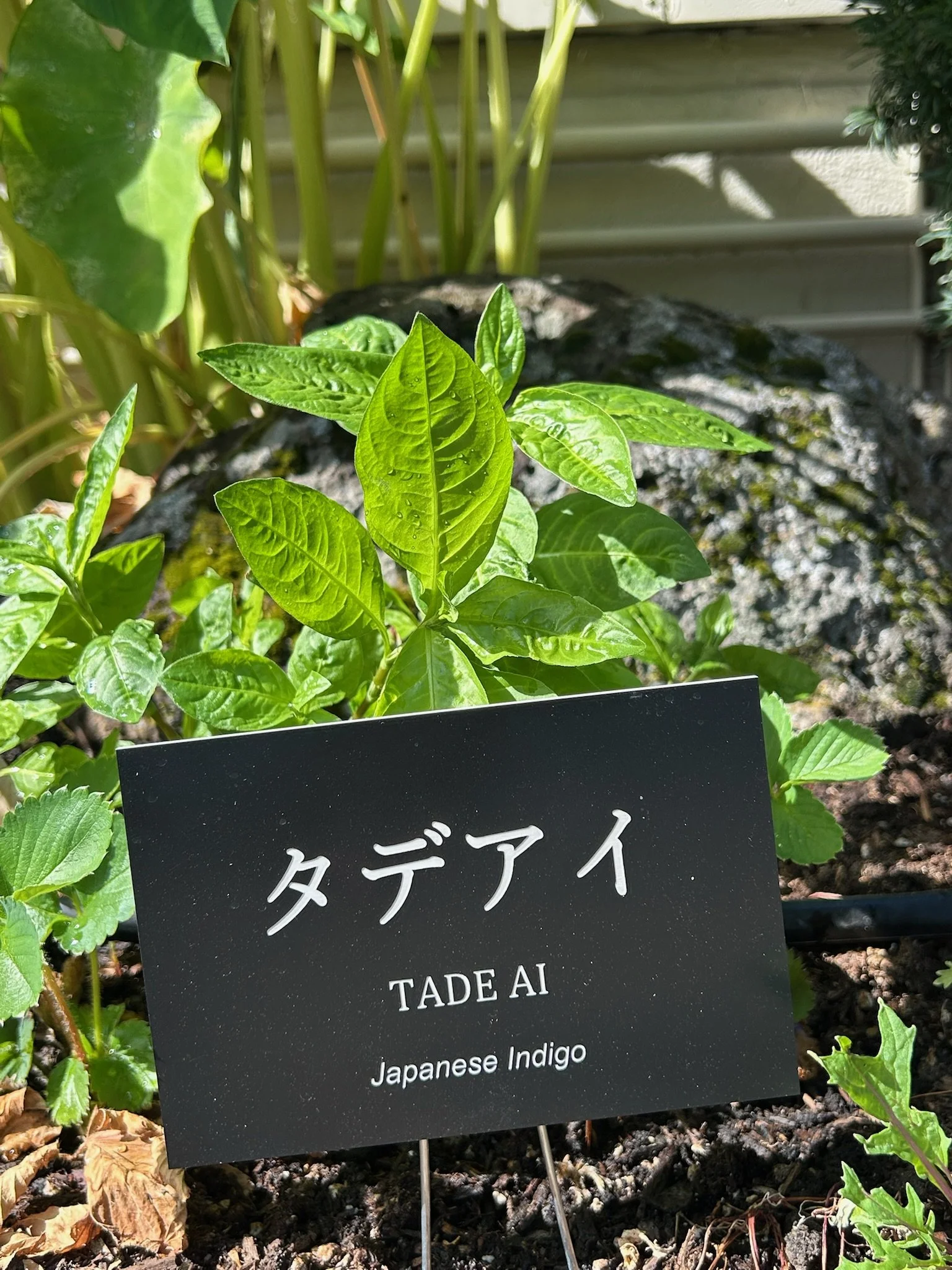
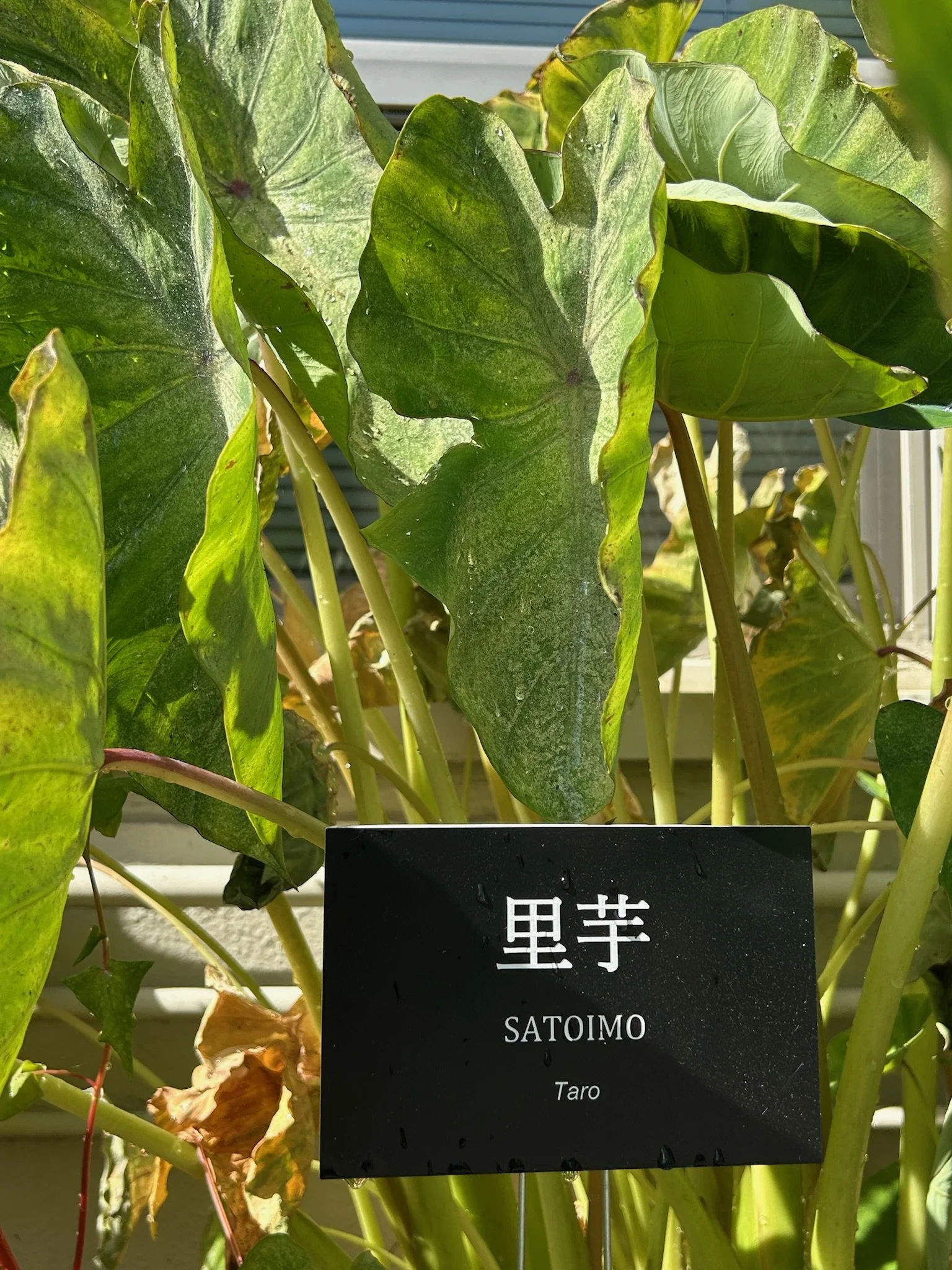
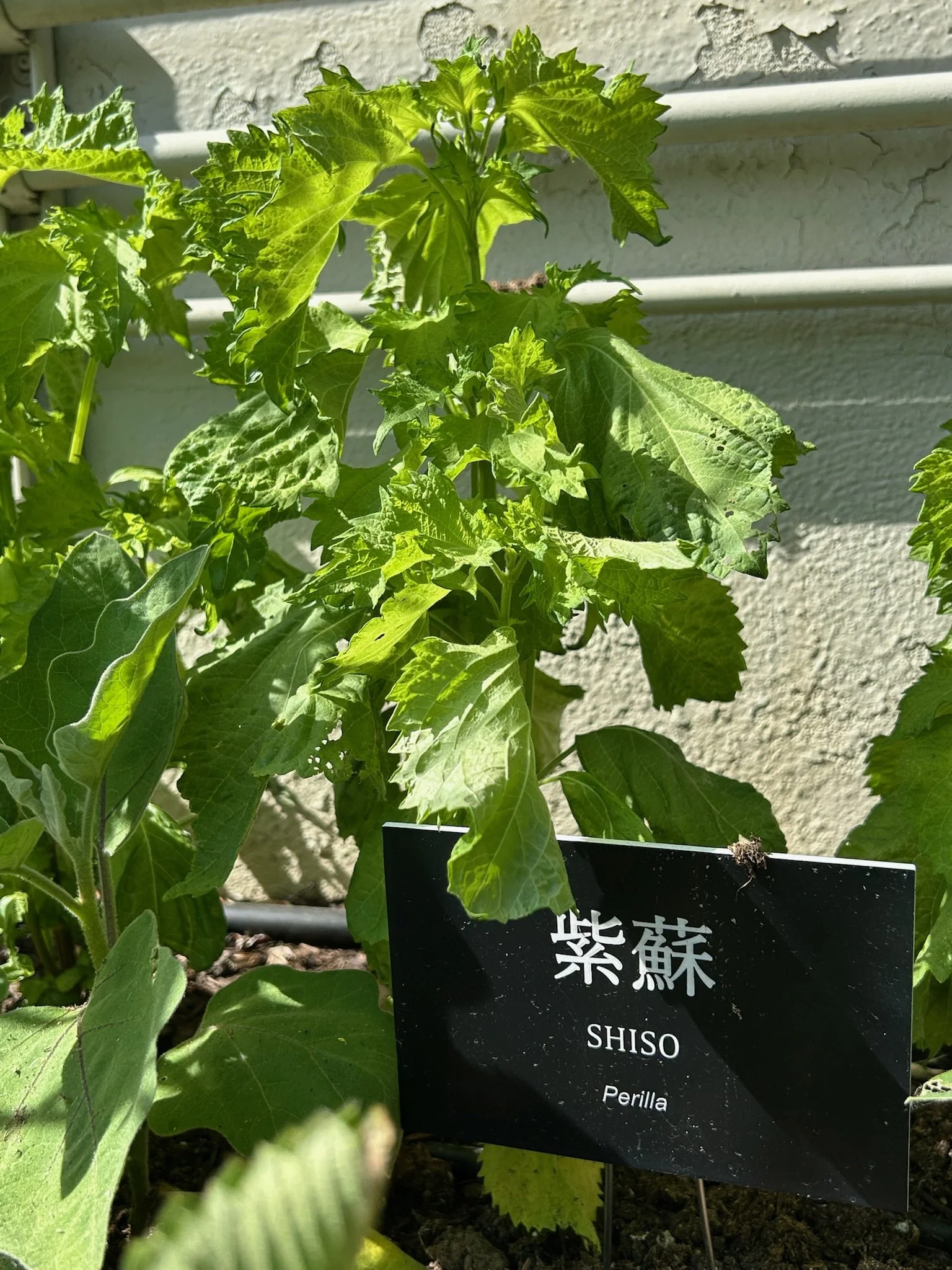
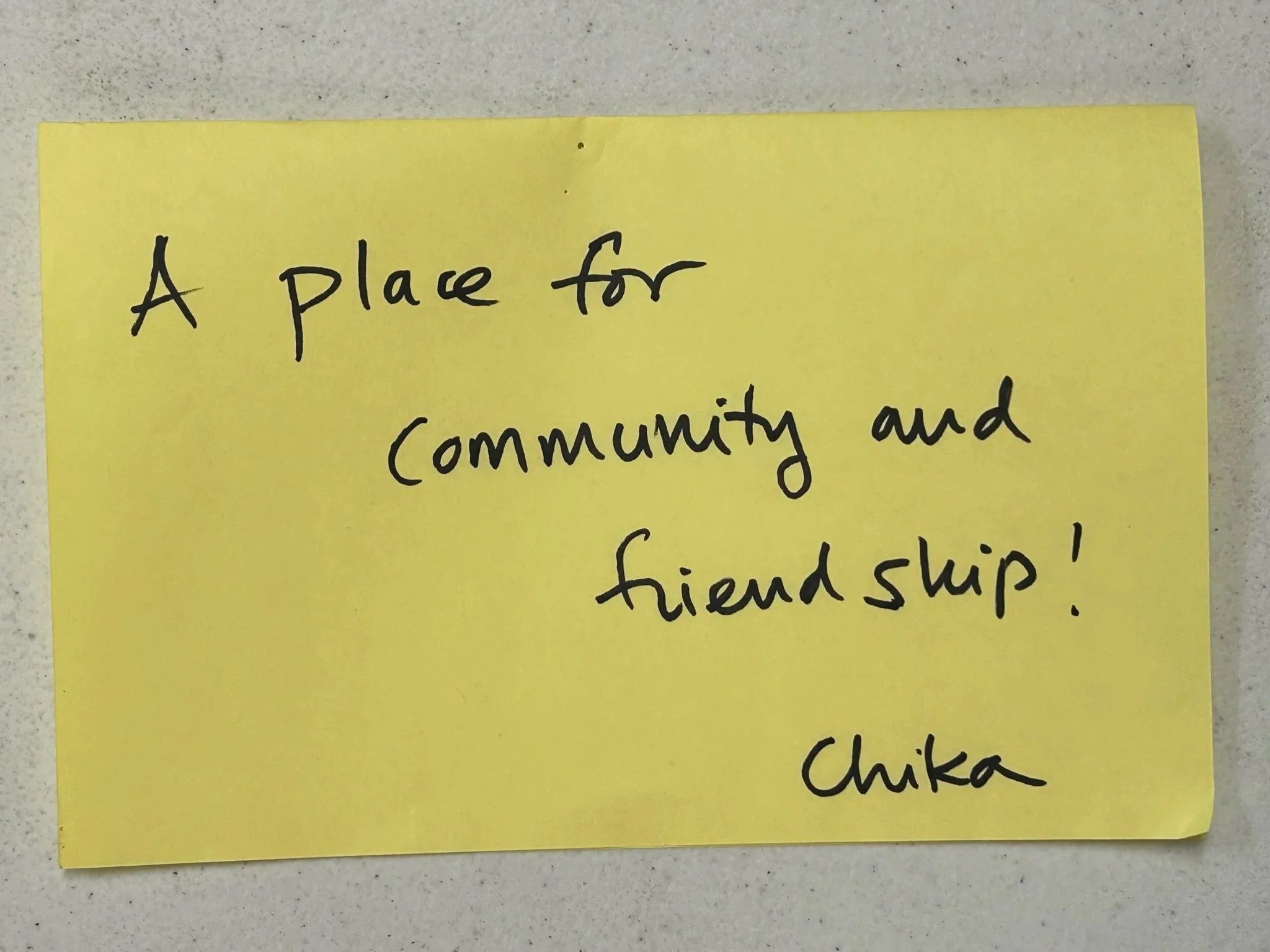
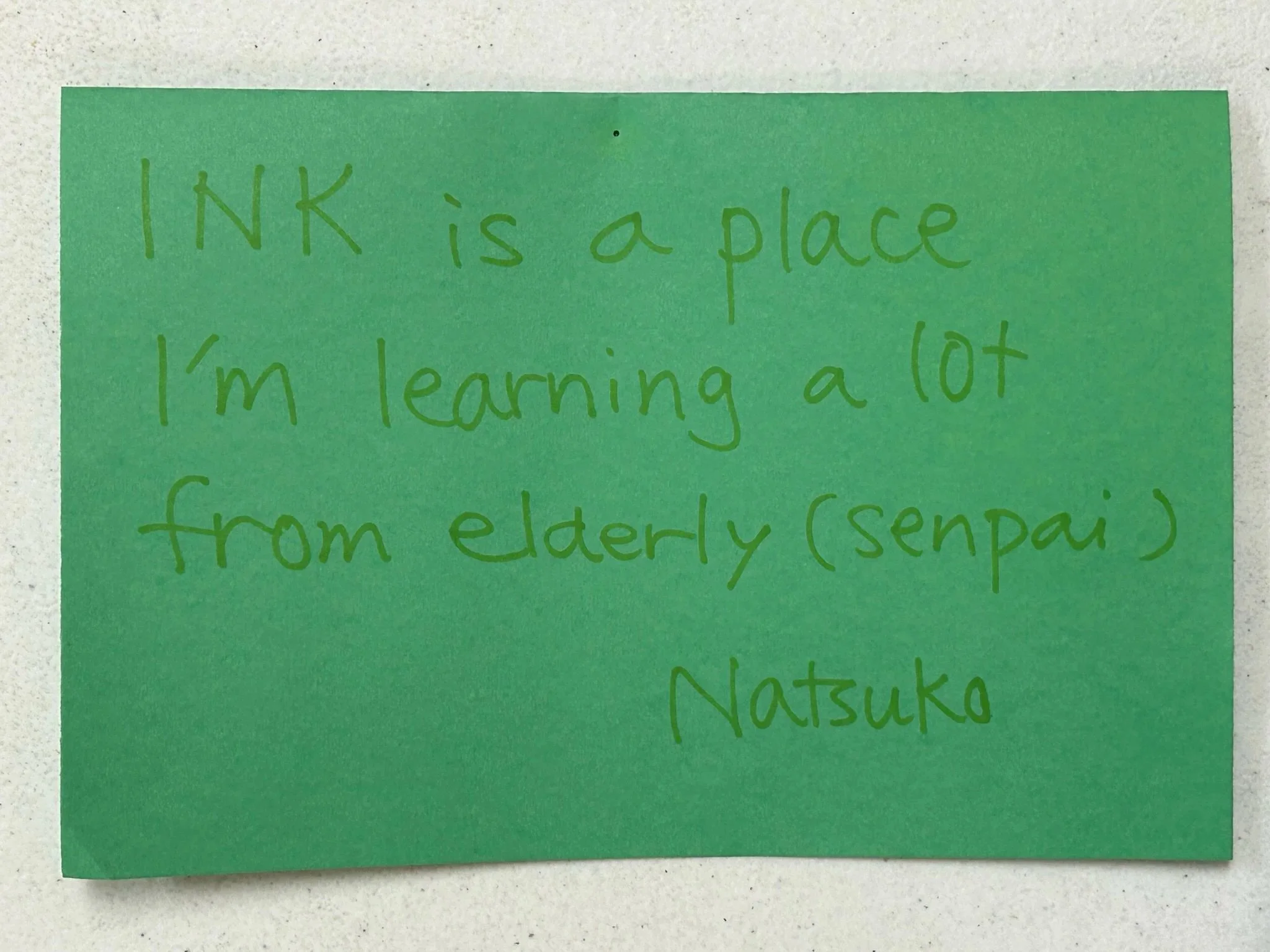
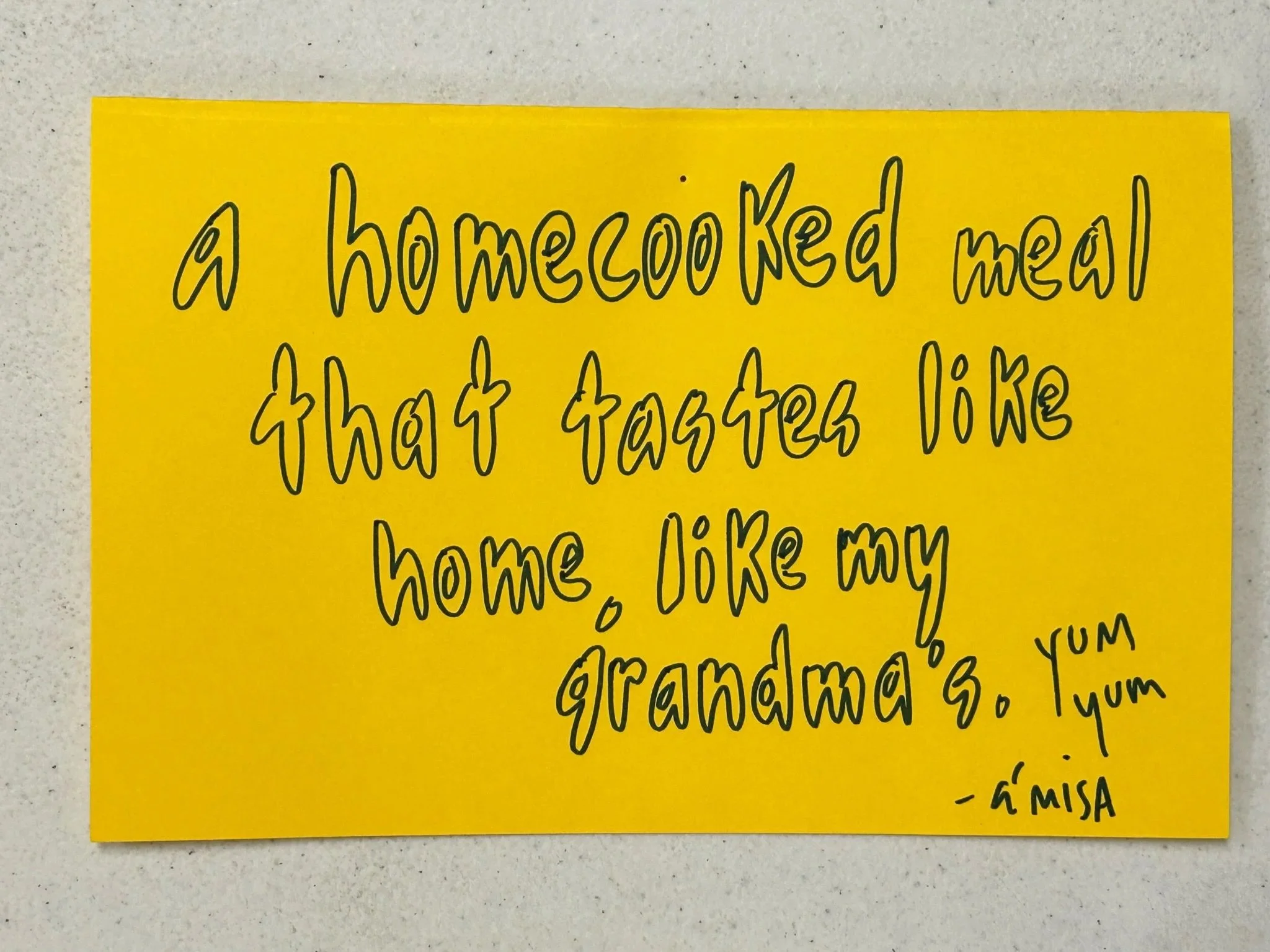
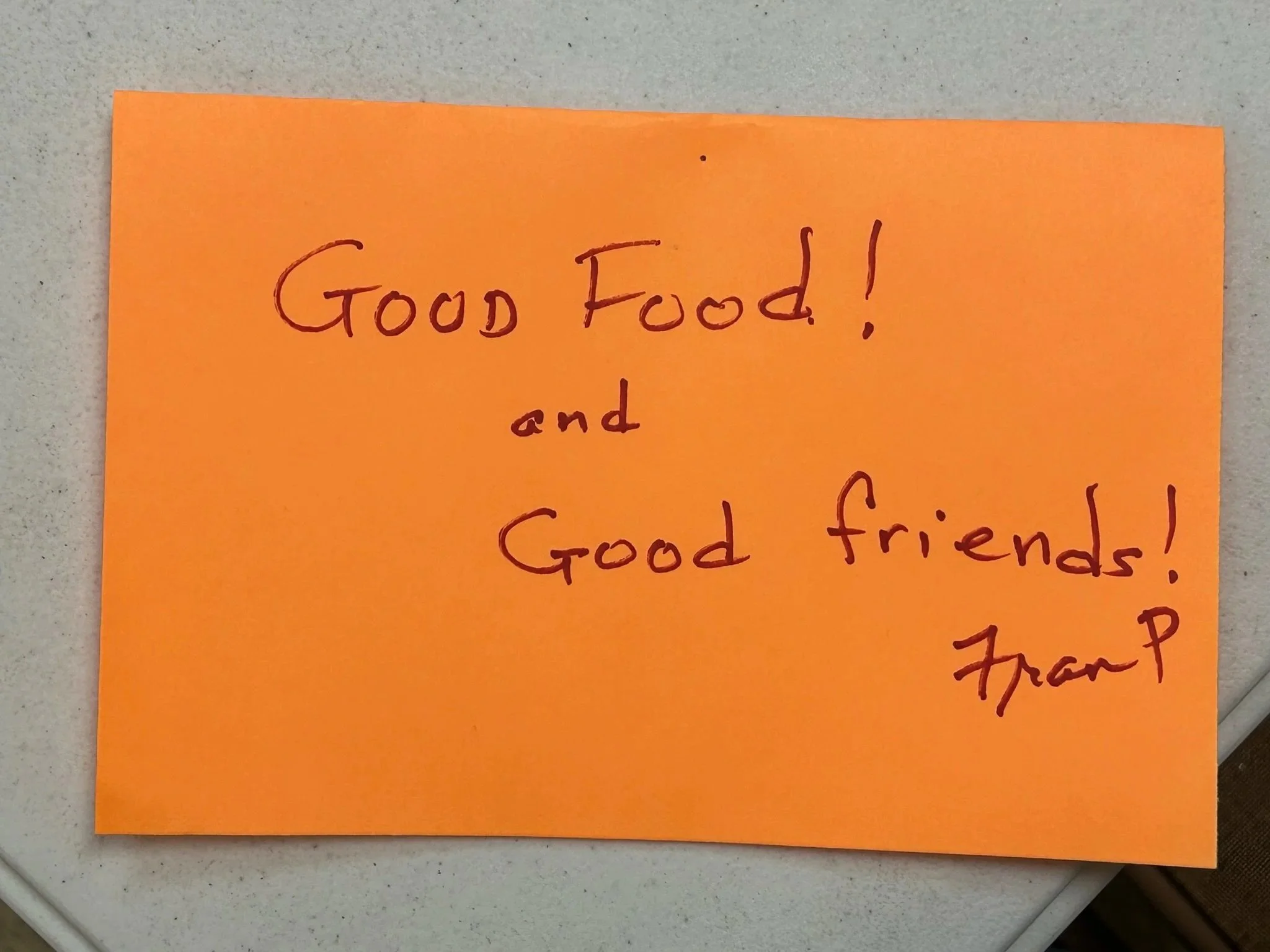
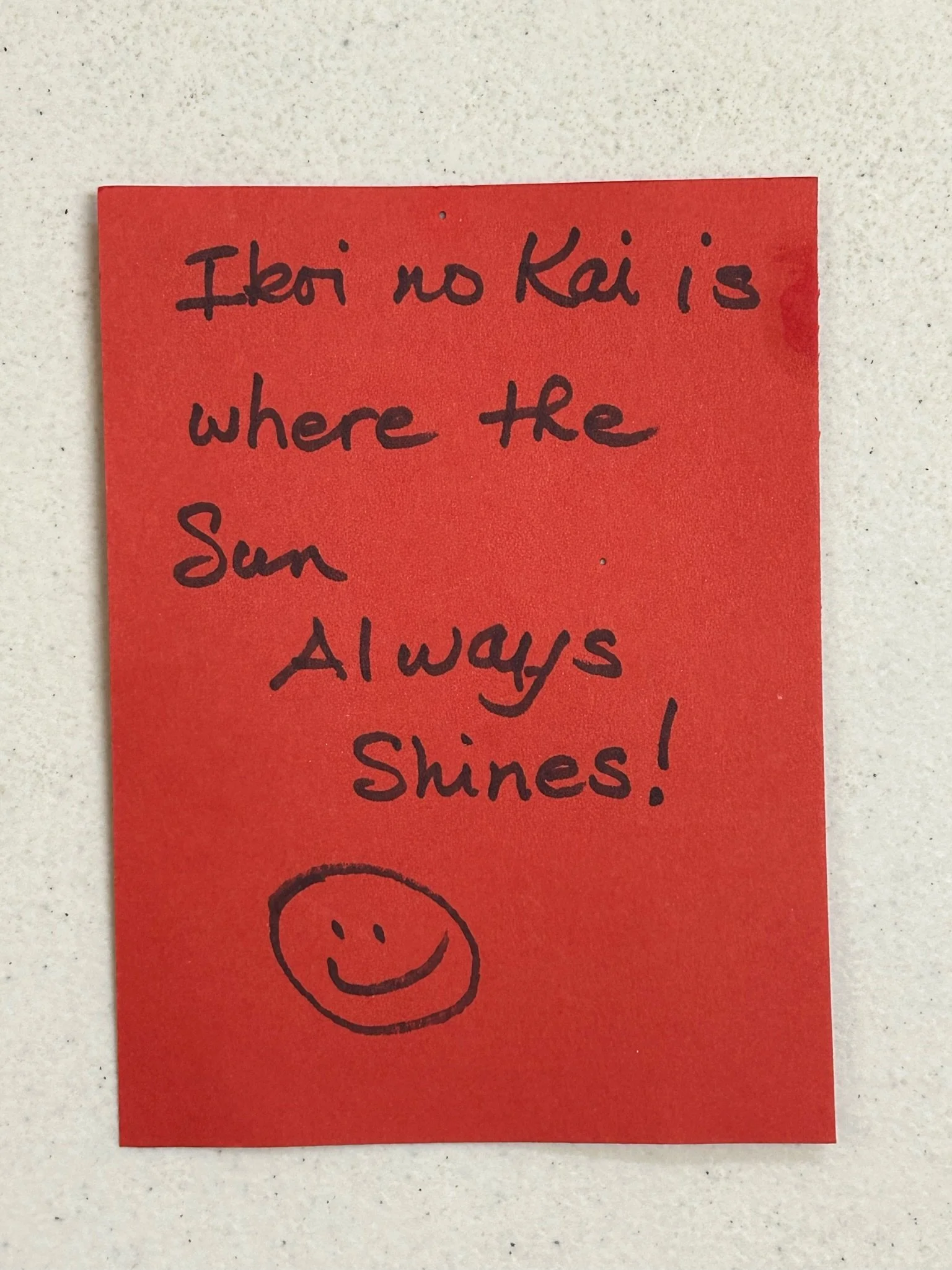
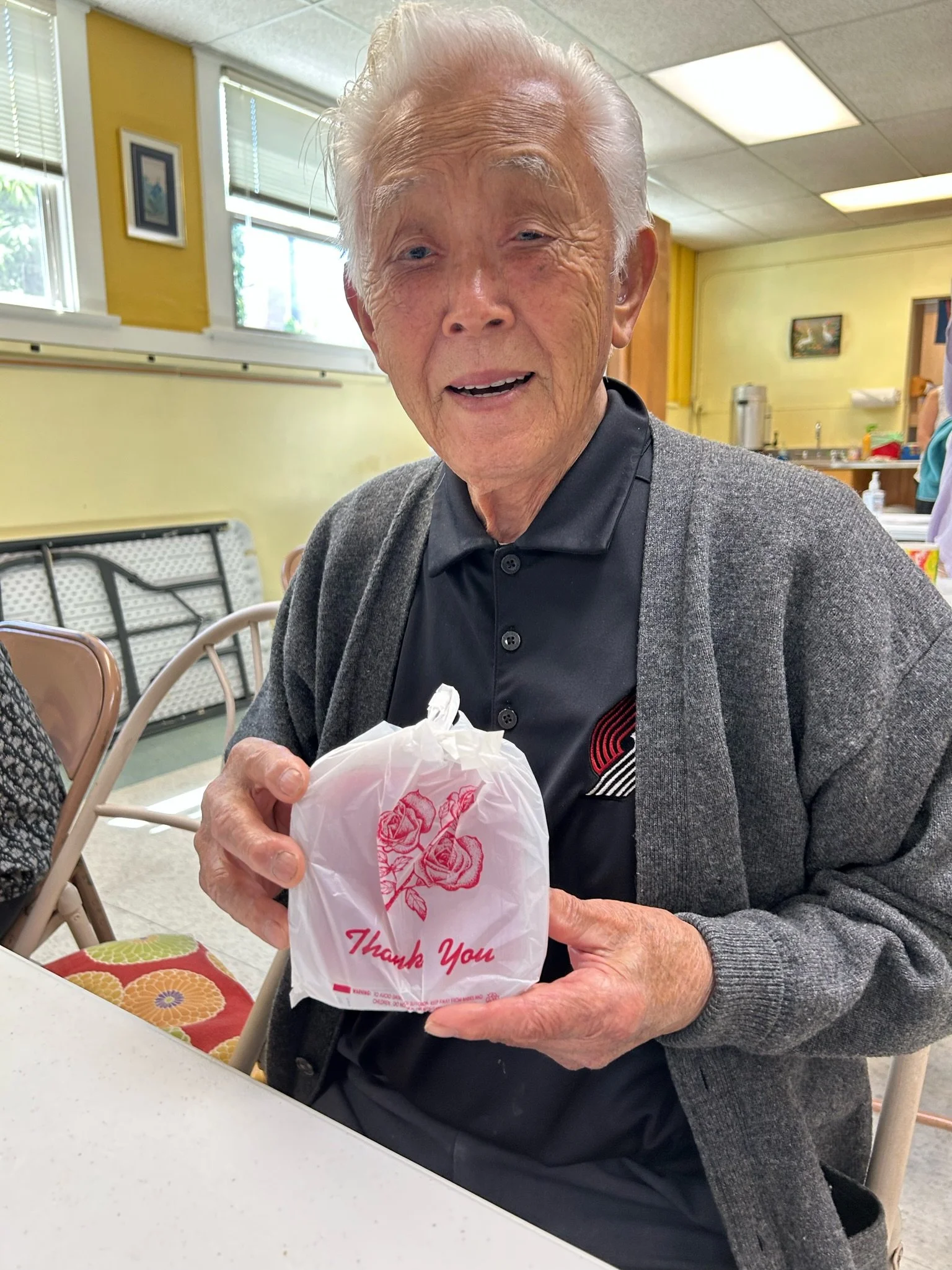
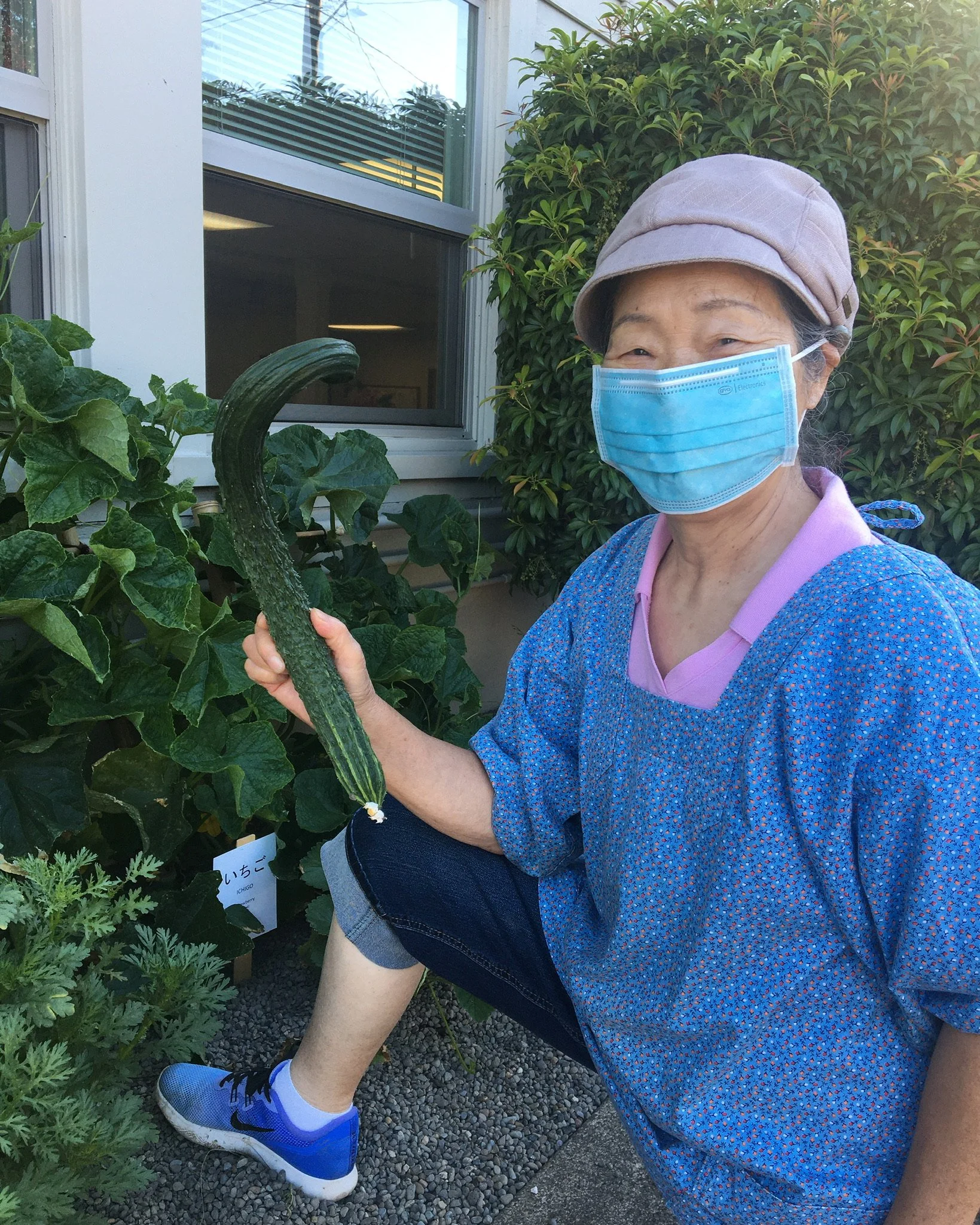
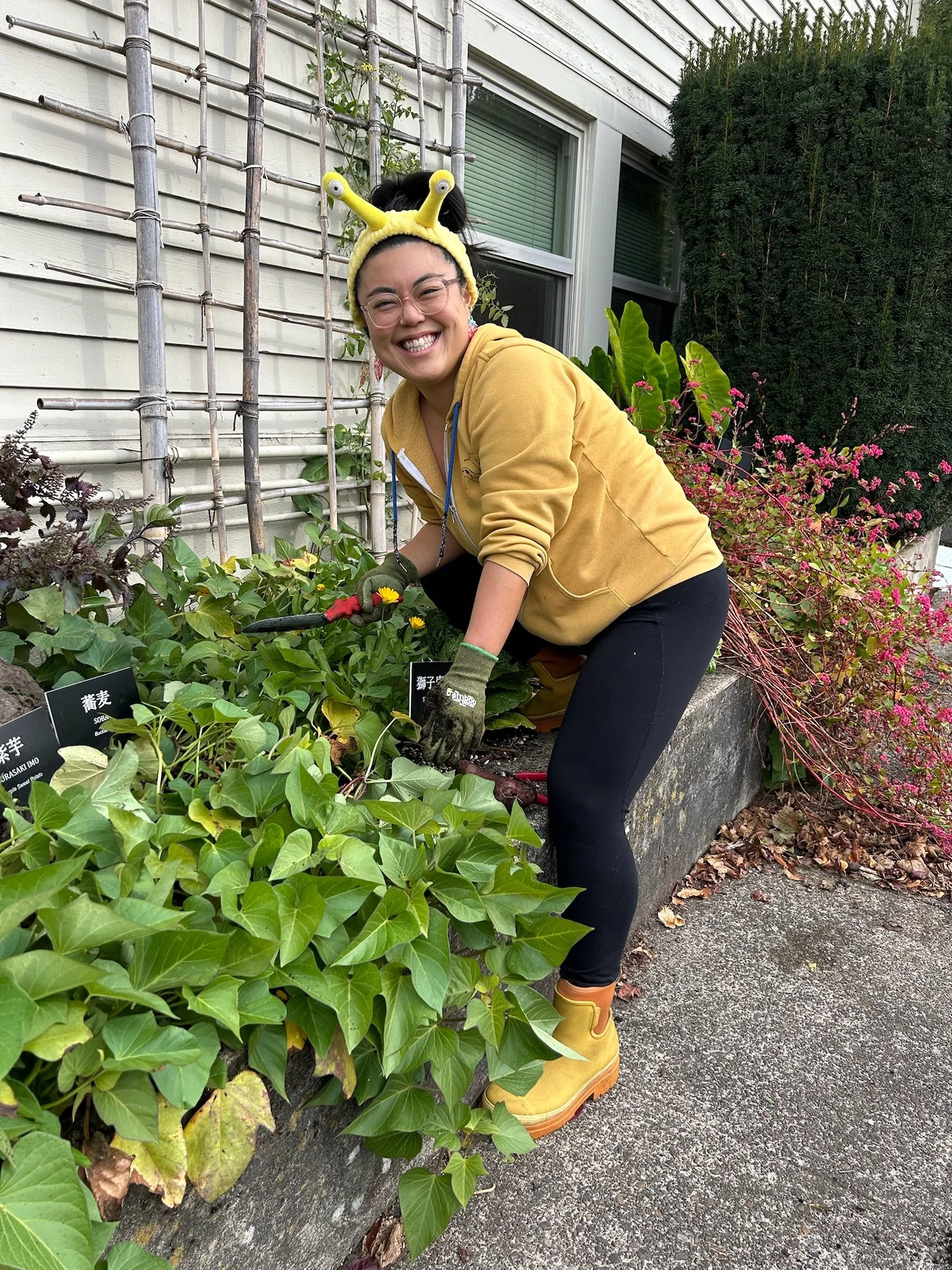
Ikoi No Kai maintains a Japanese heritage learning garden!
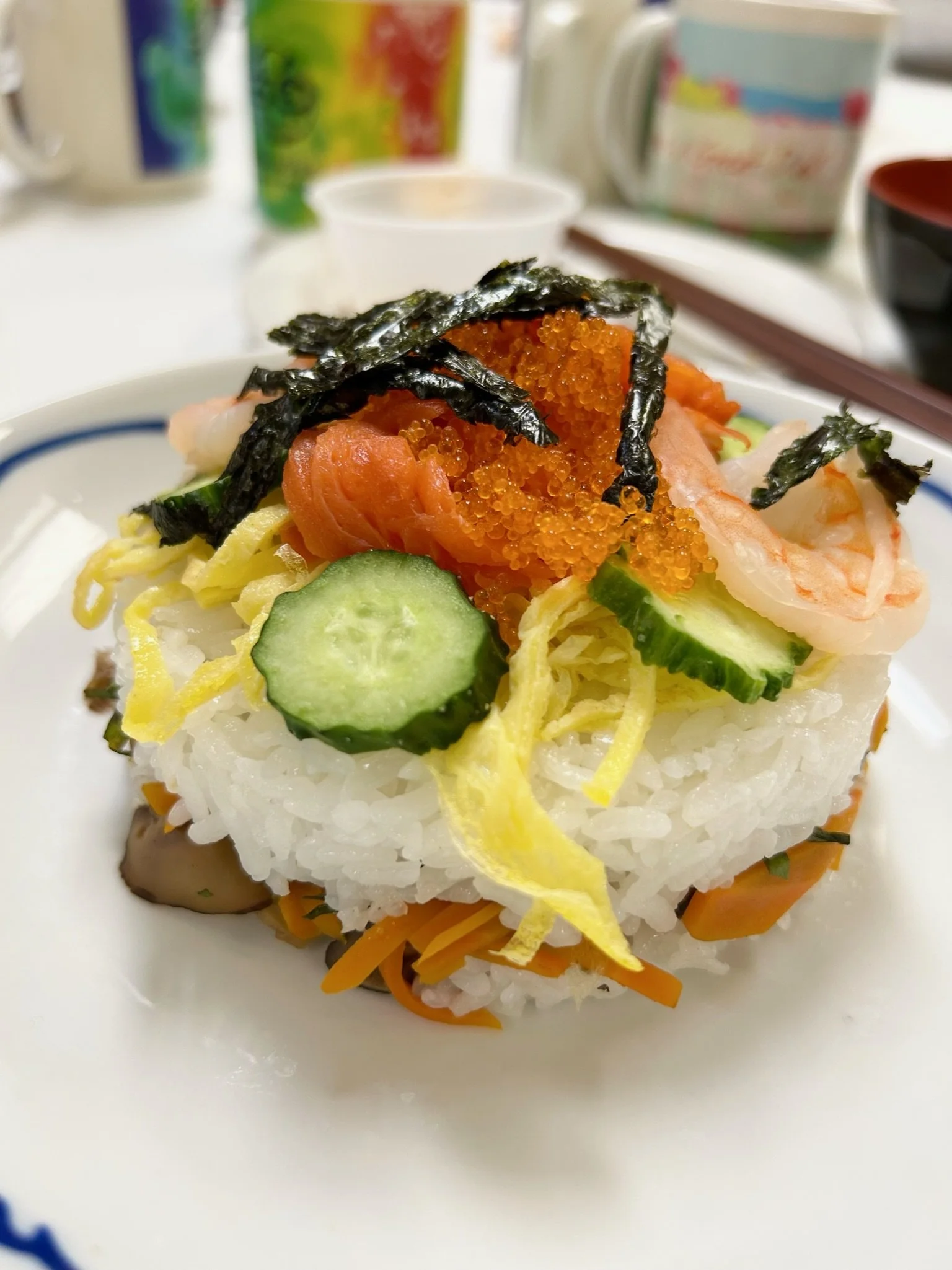
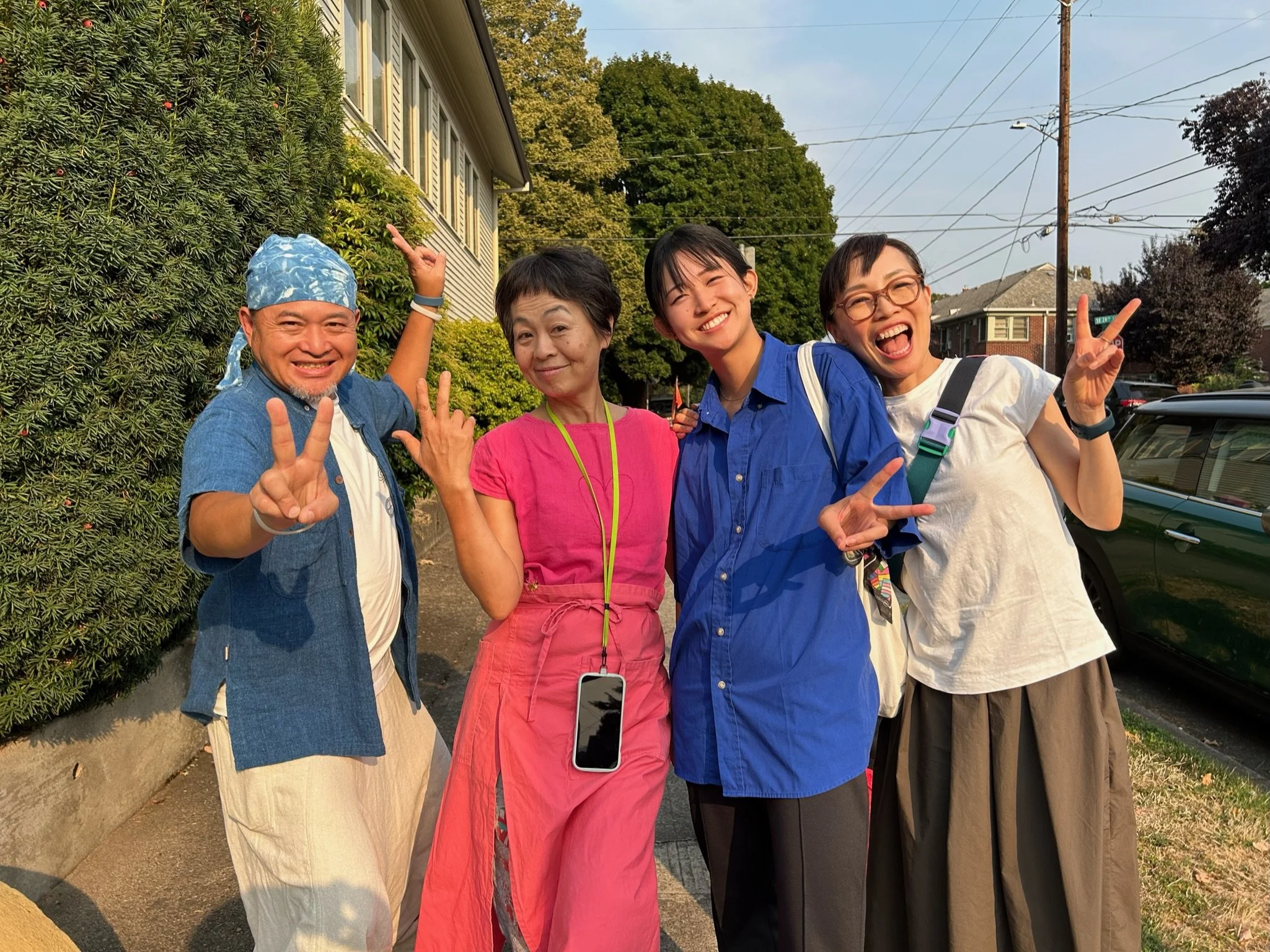
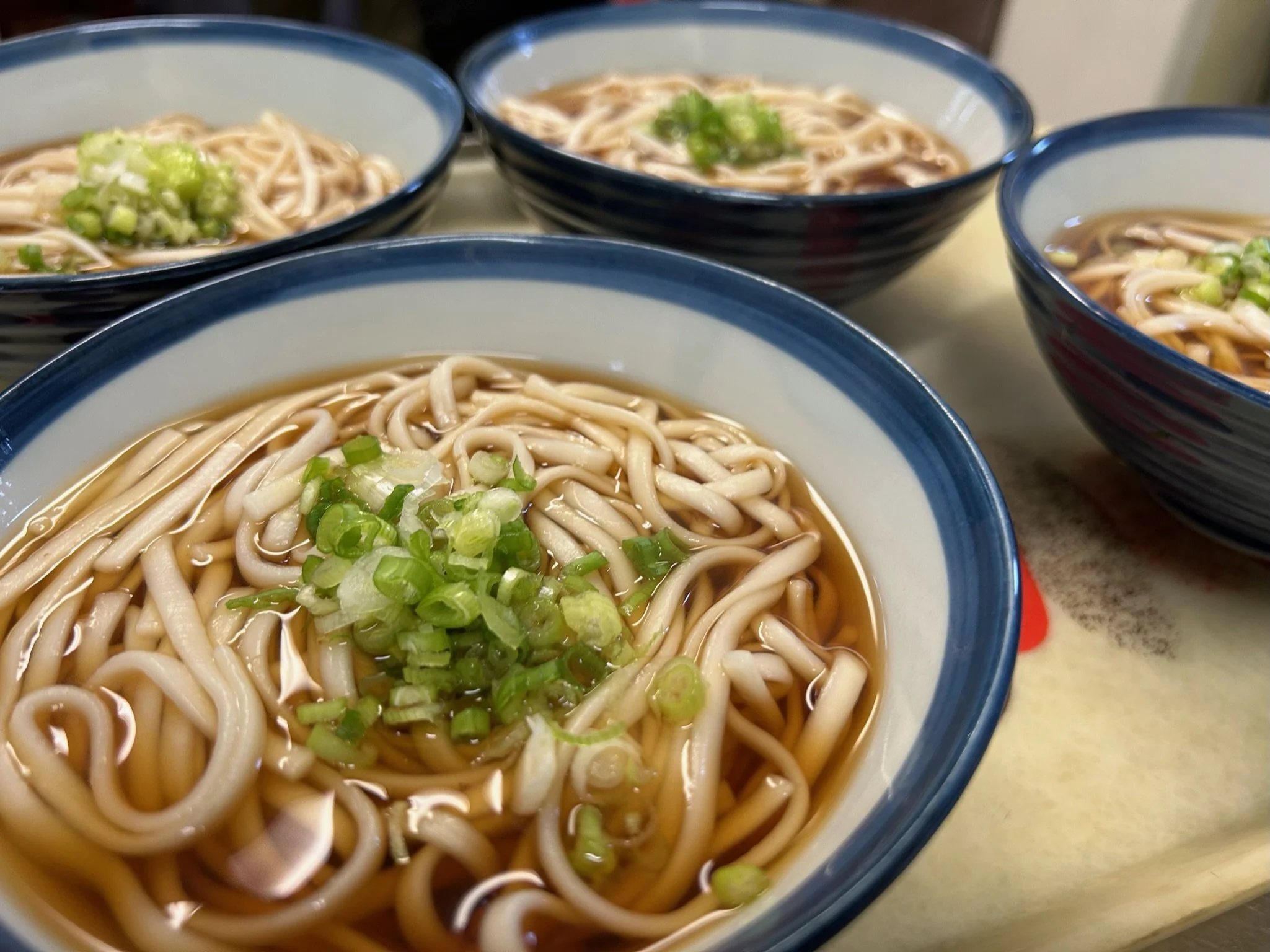
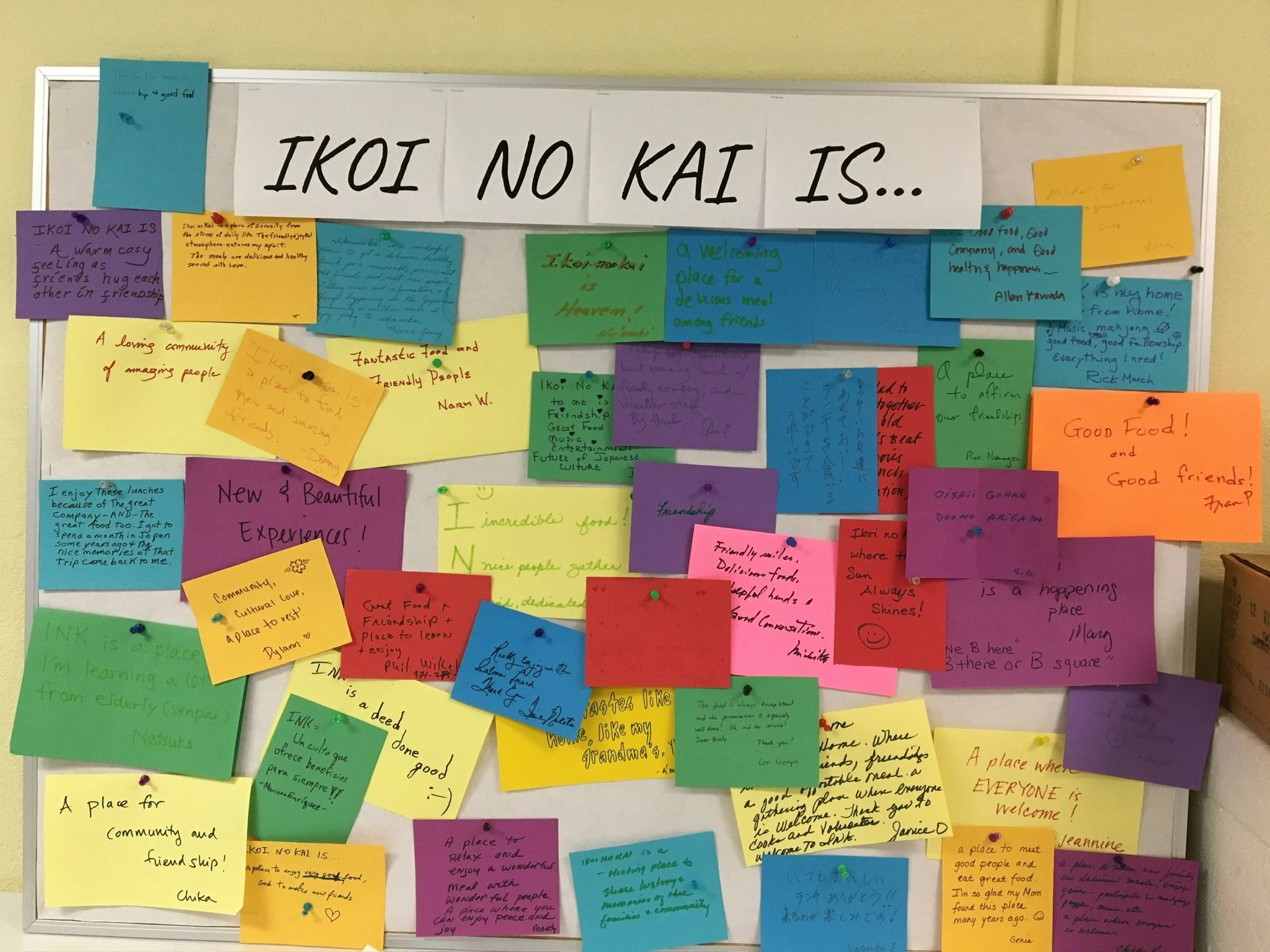
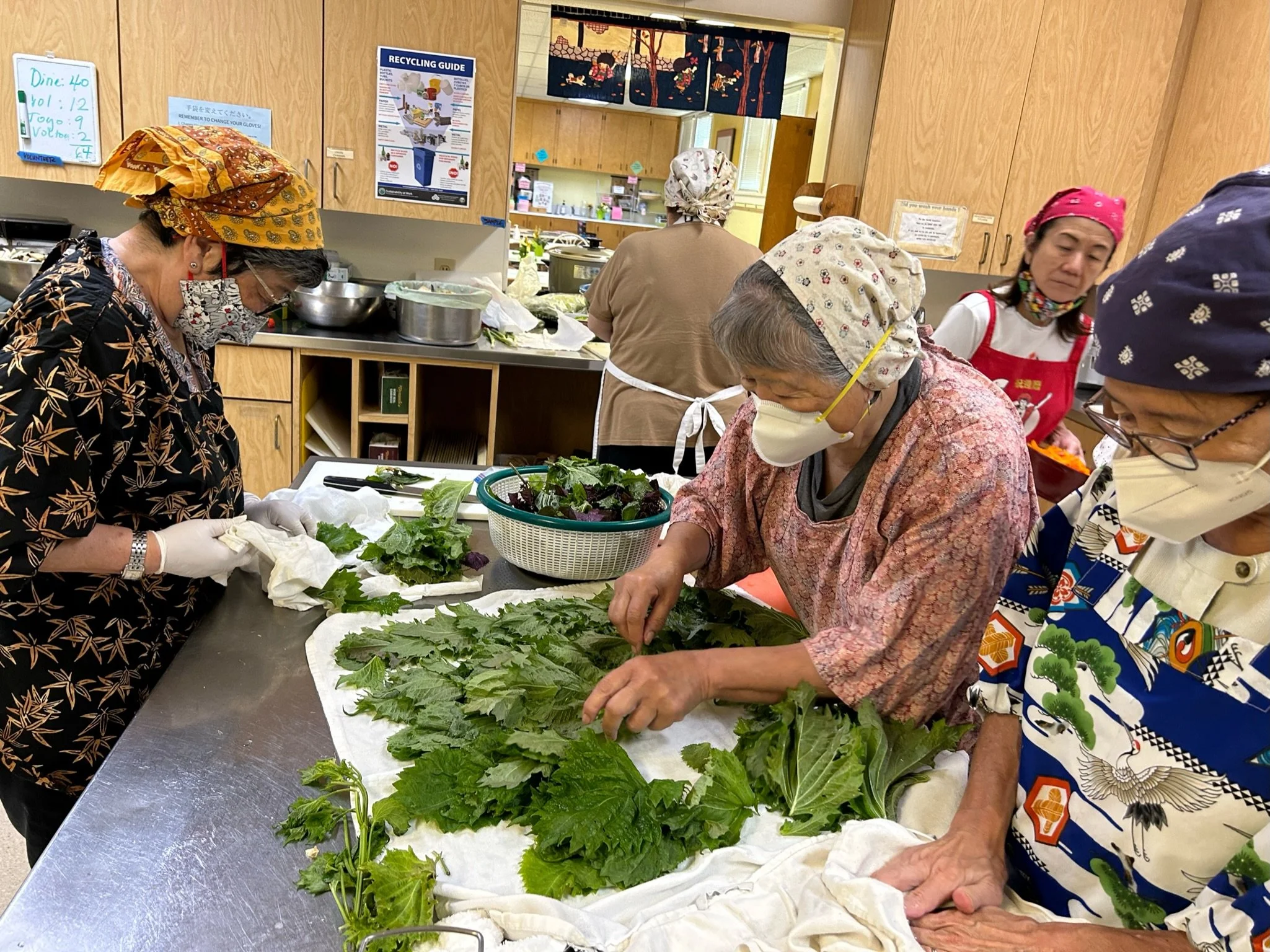
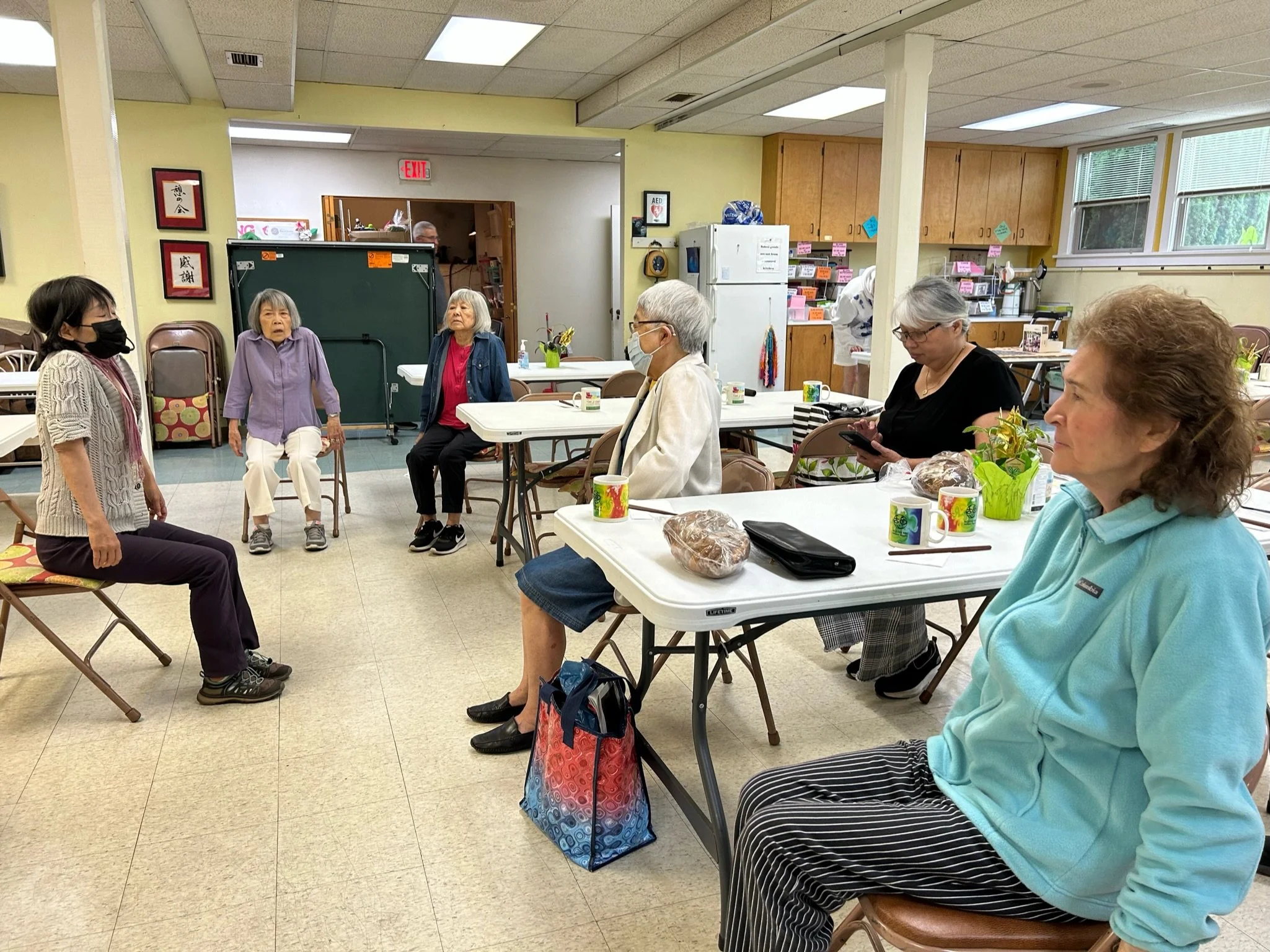
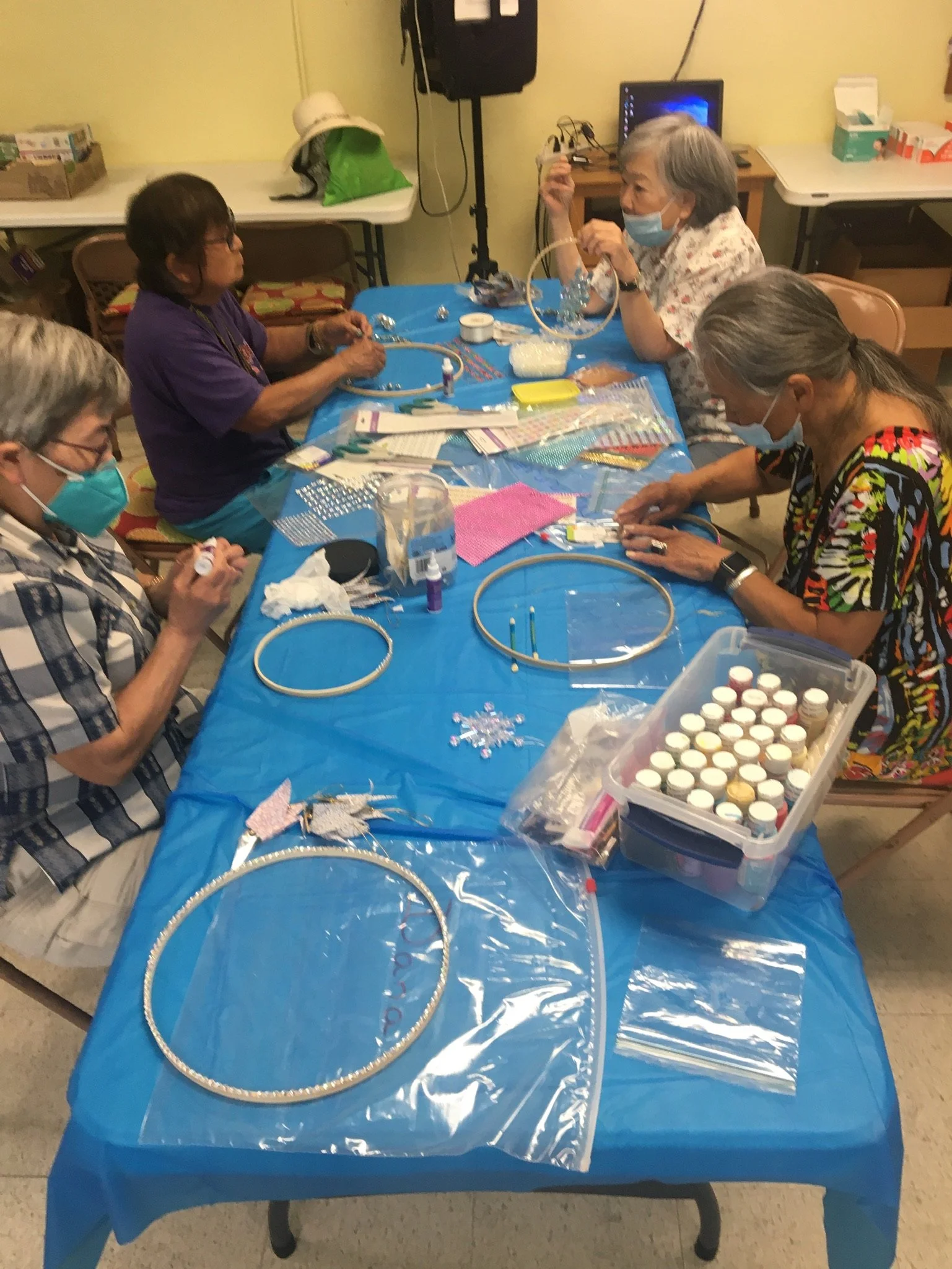
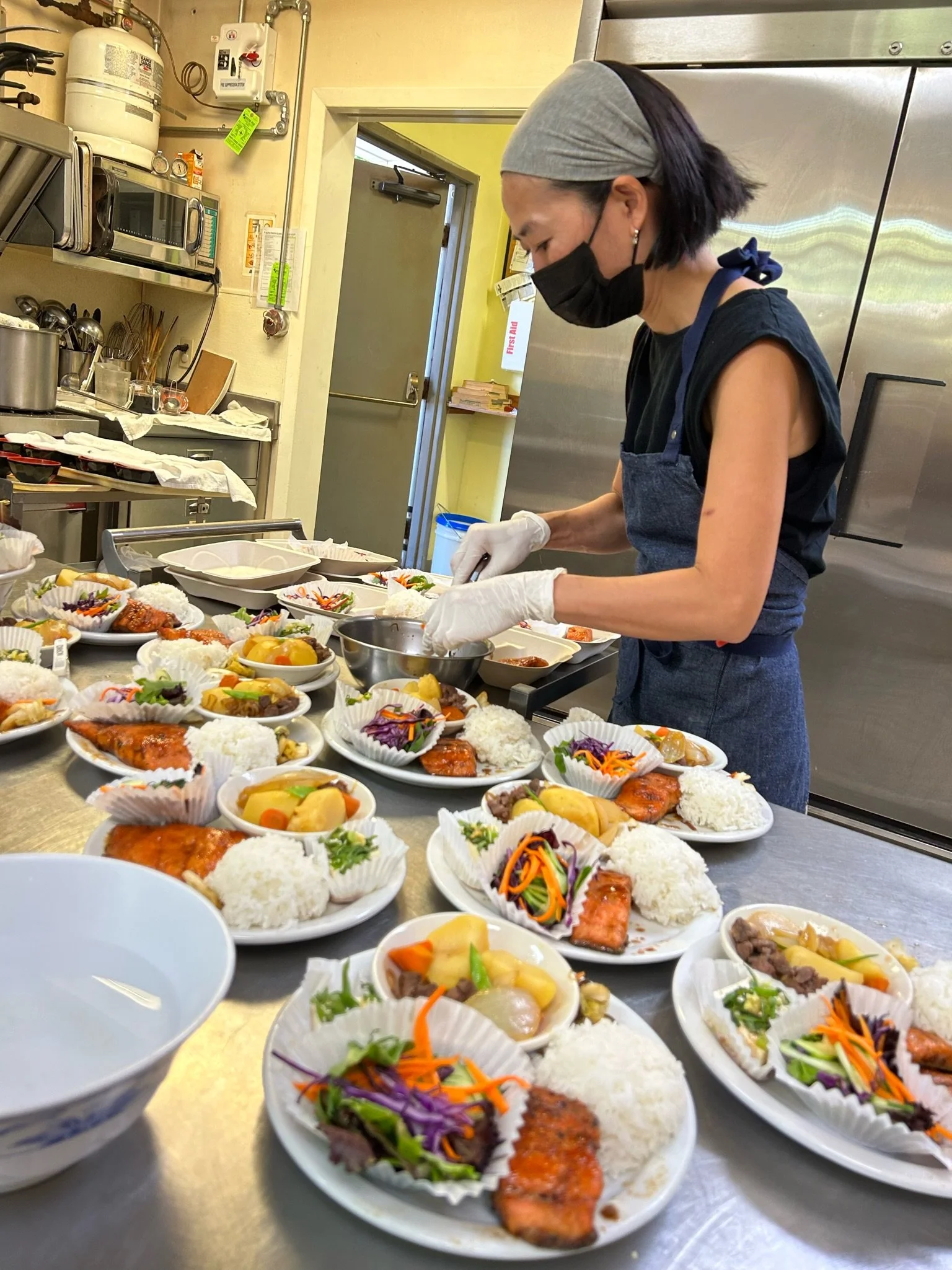
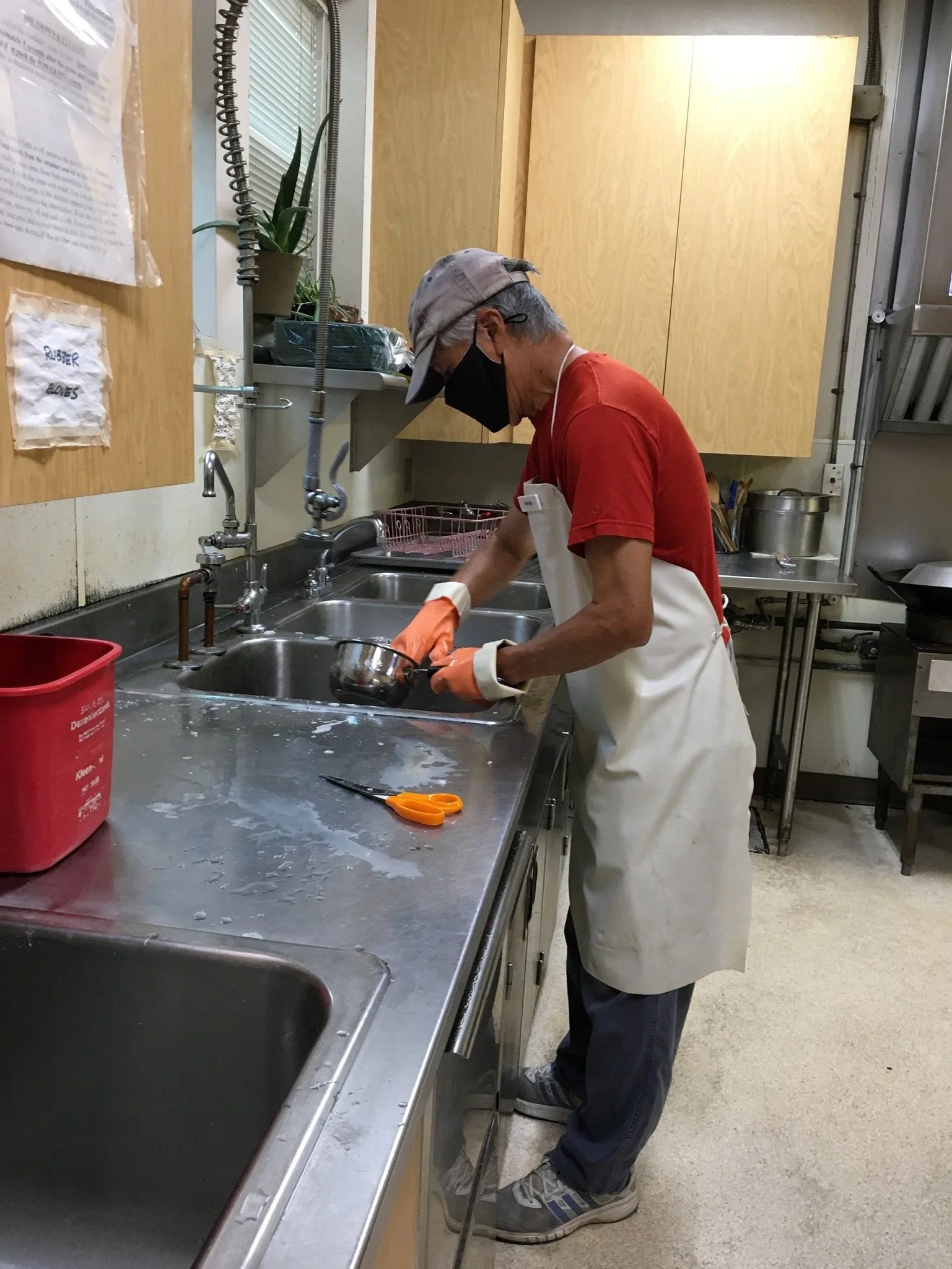
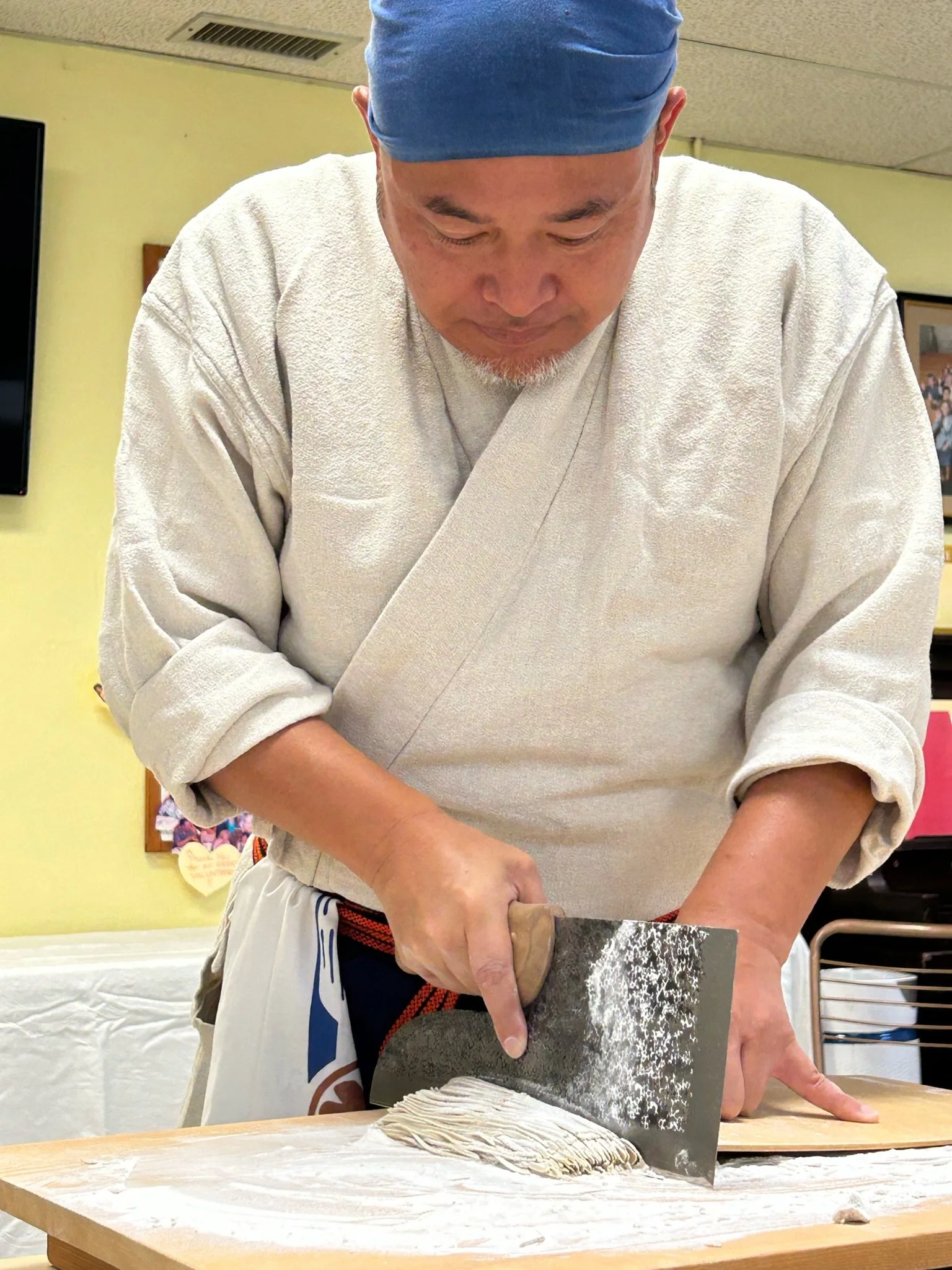
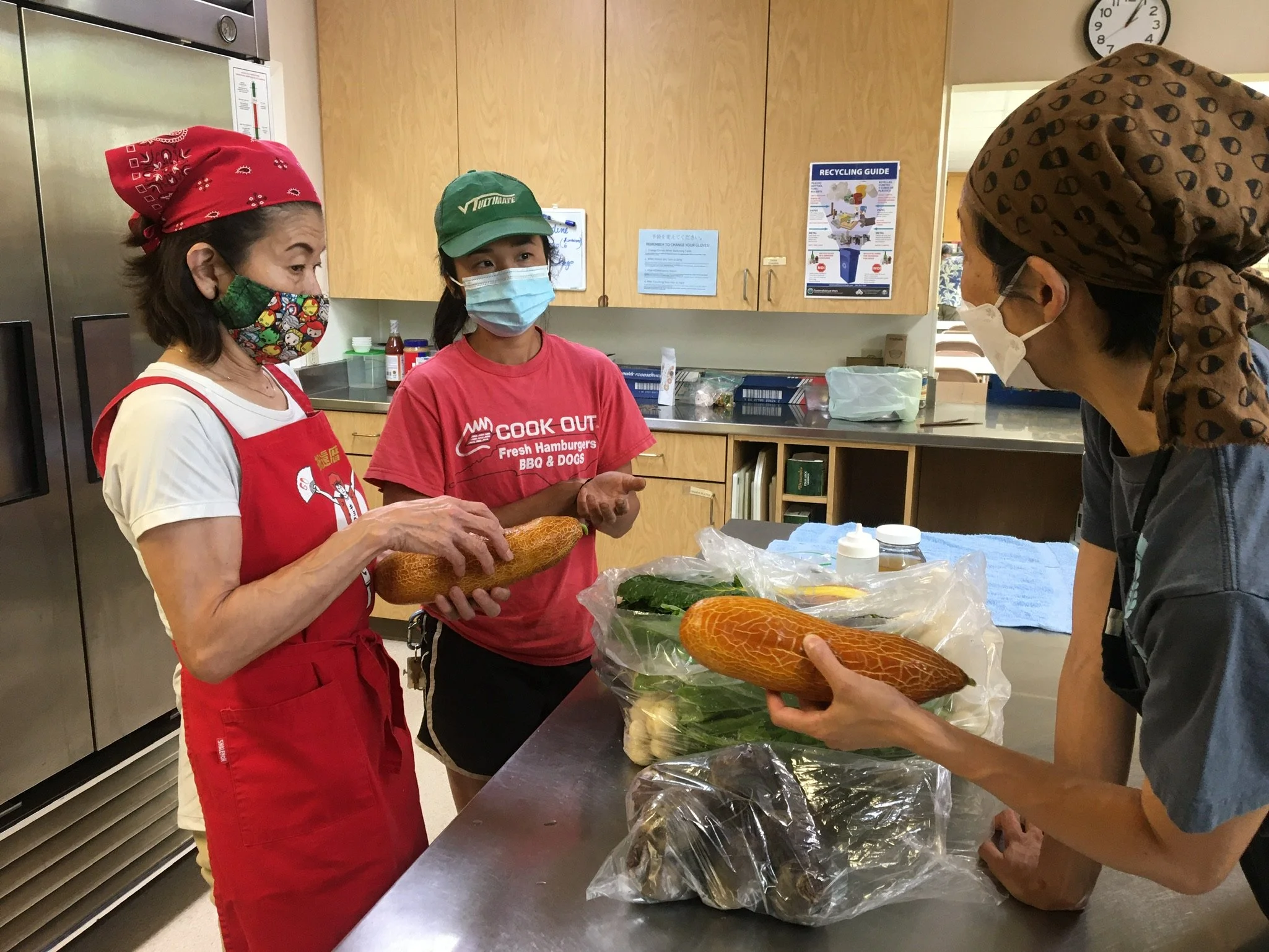
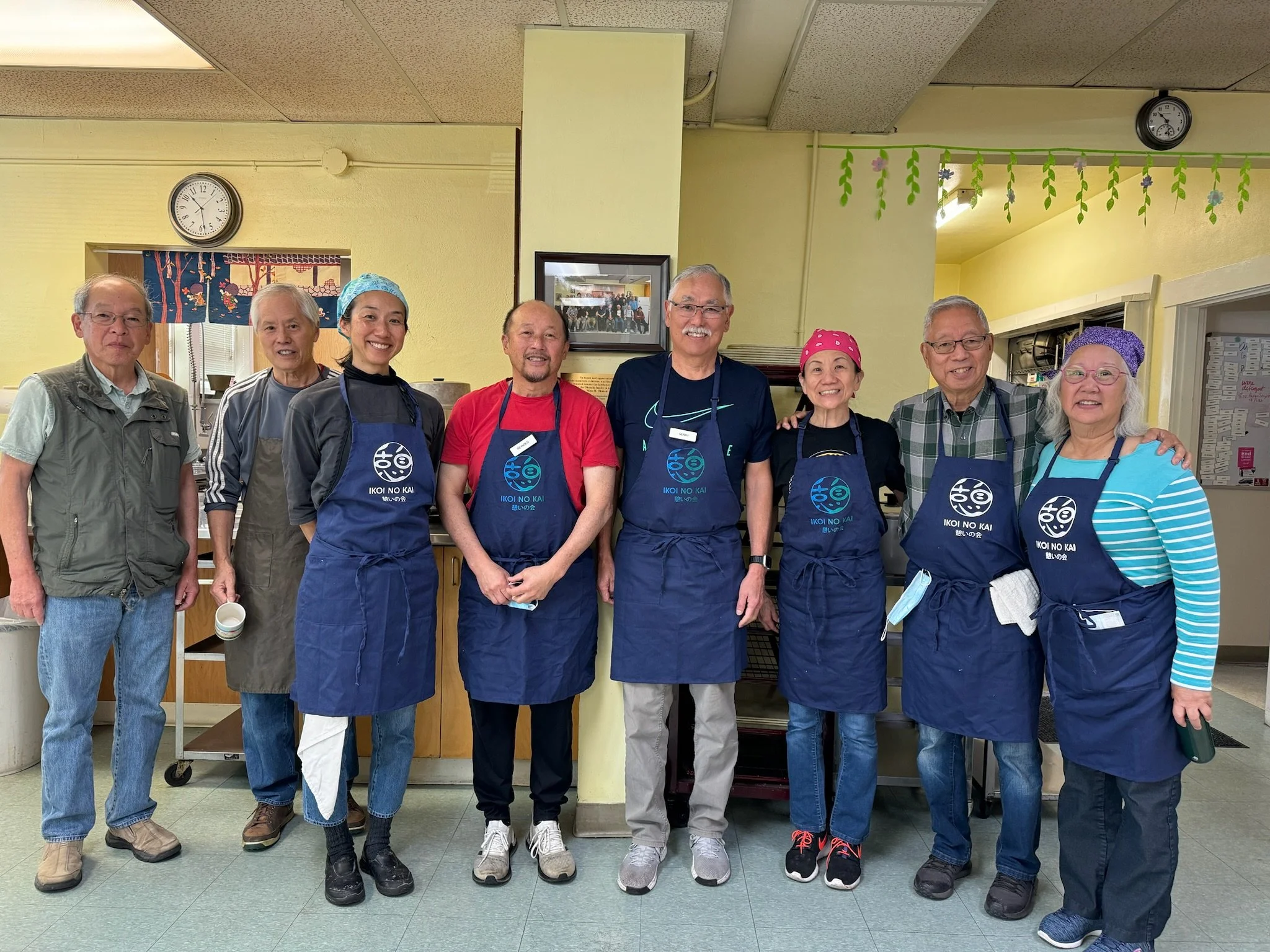
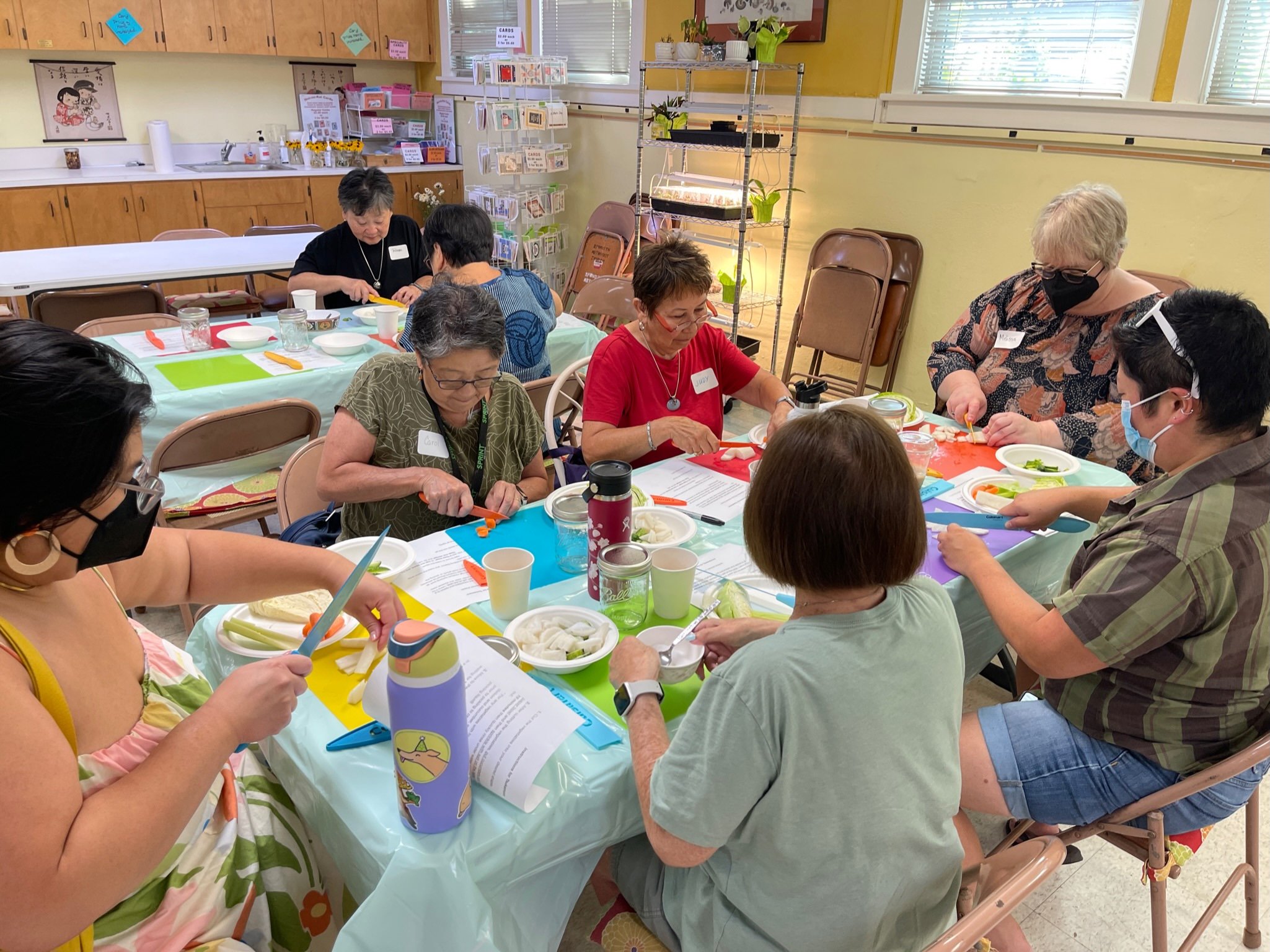
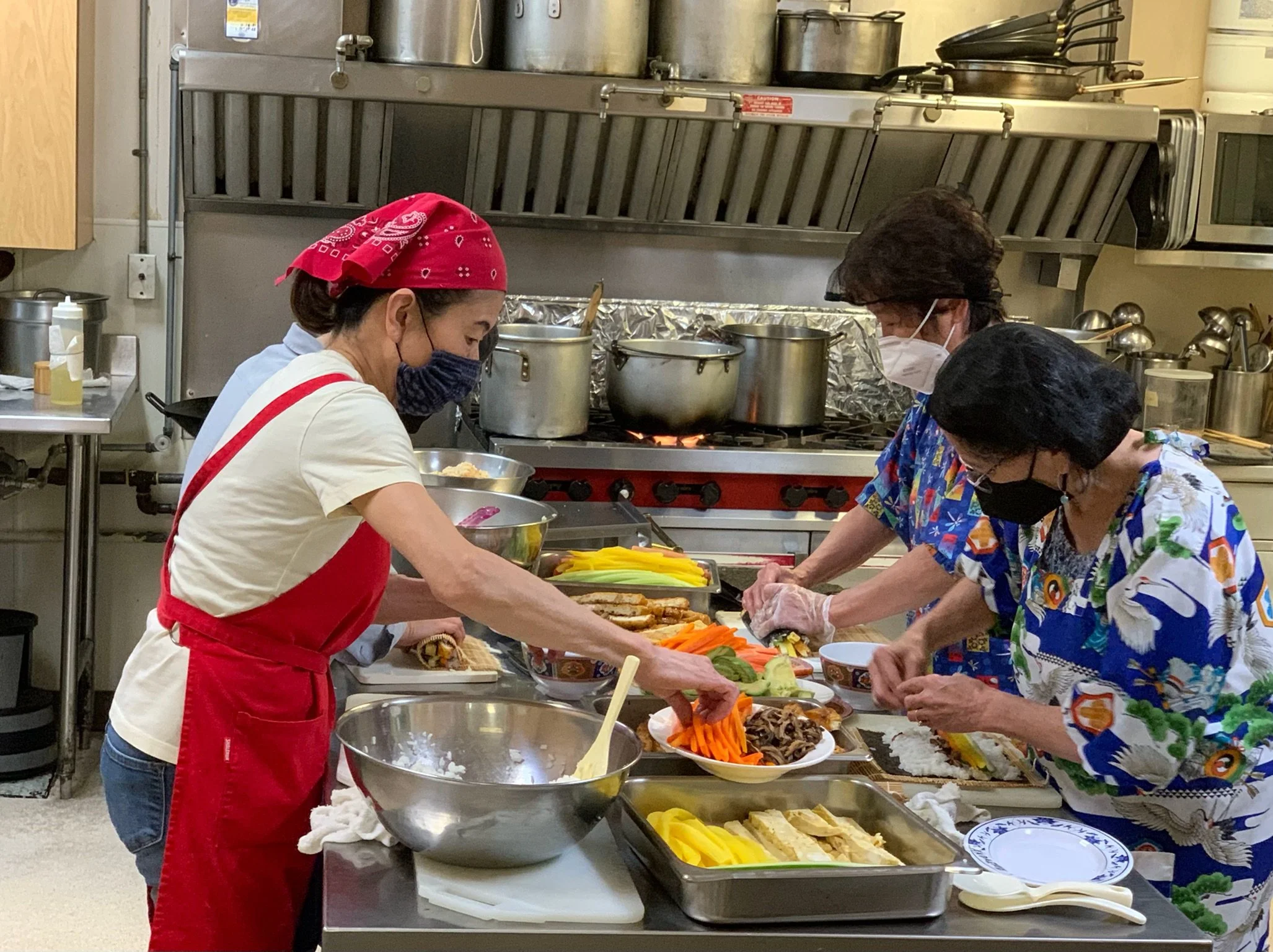
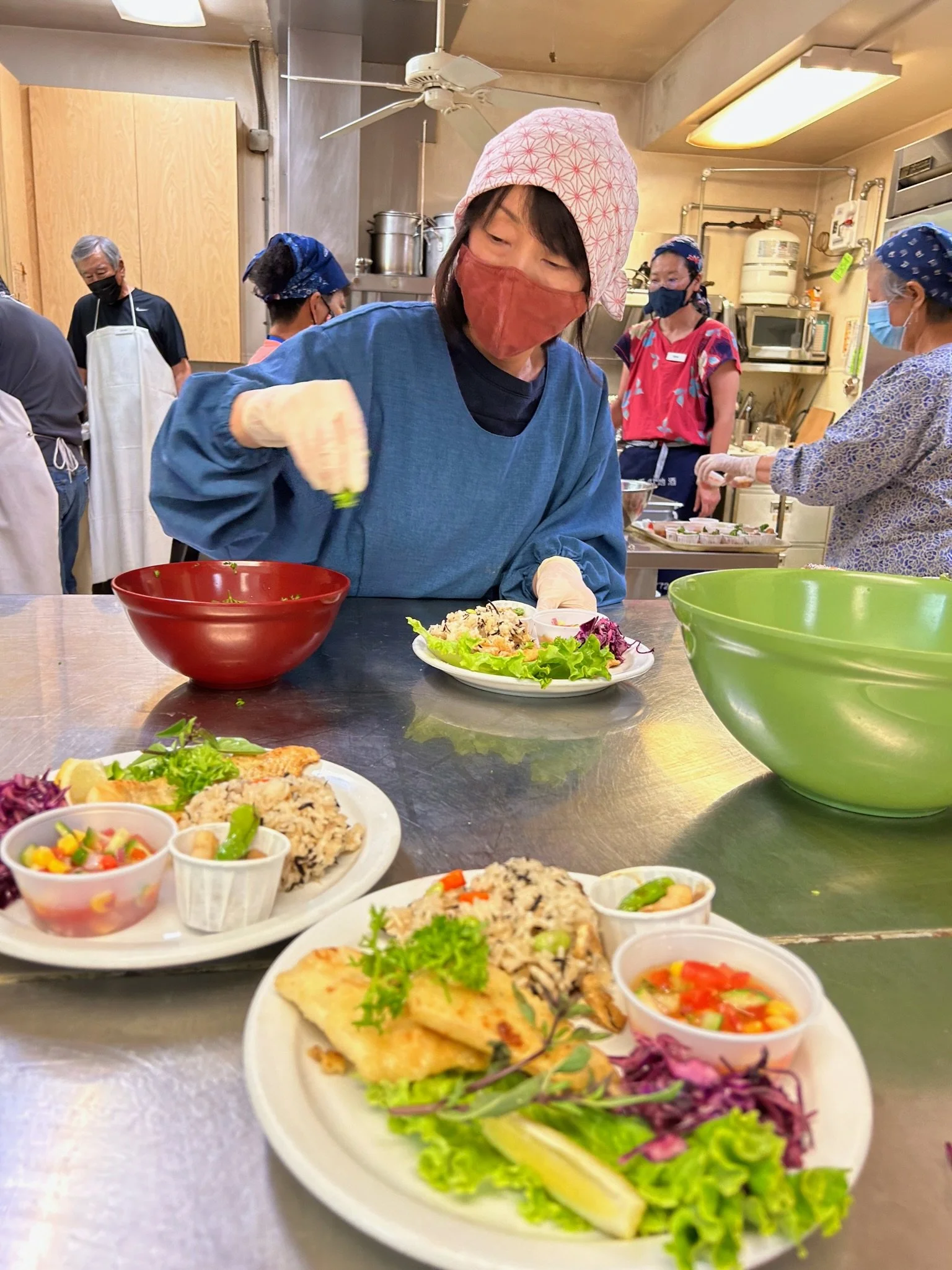
Ikoi No Kai is supported by a small staff and a huge team of regular volunteers. Their focus is a Nikkei community lunch and cultural program but they have also developed into a full-on community center with many other activities, events, and resources.
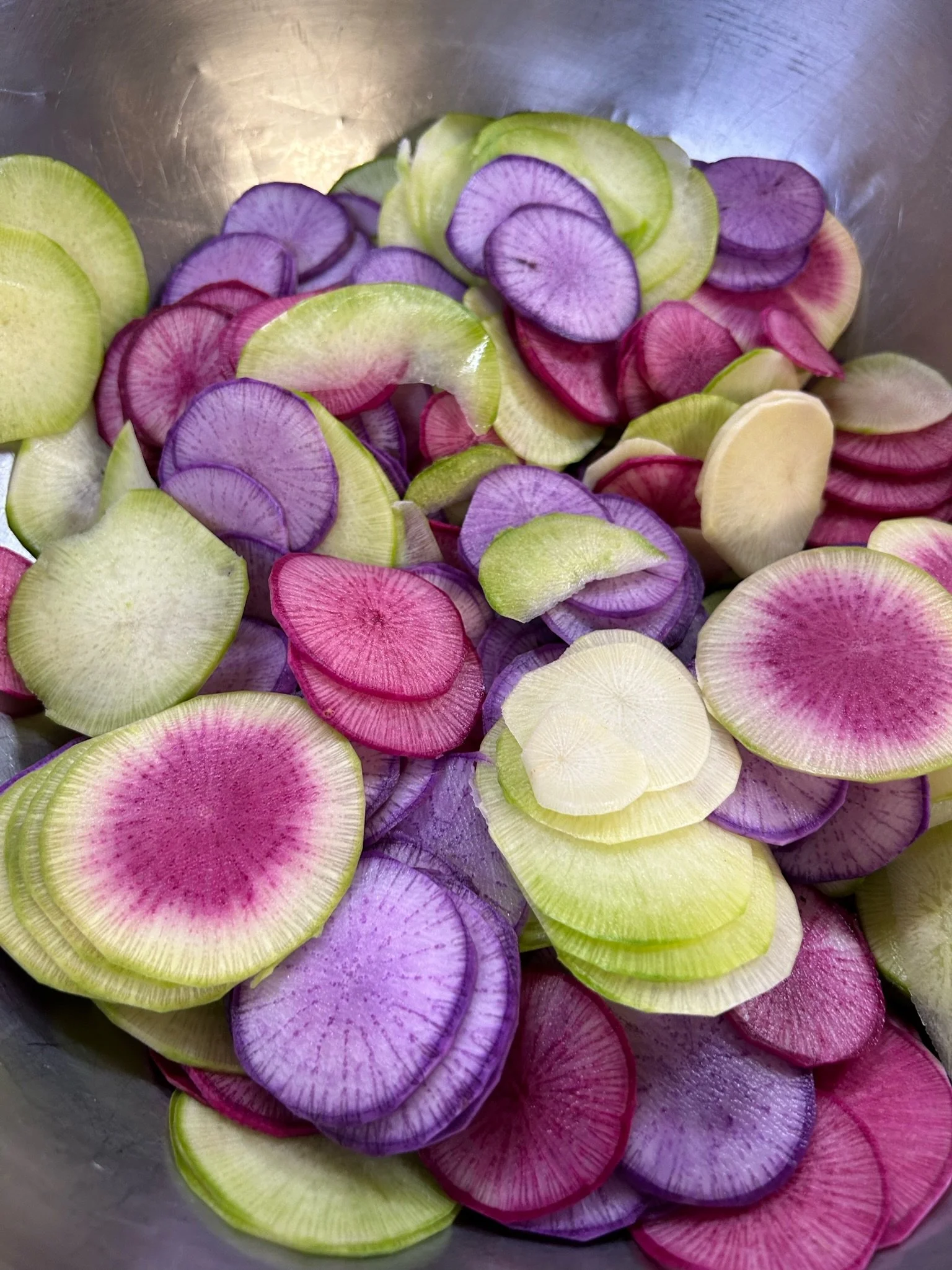
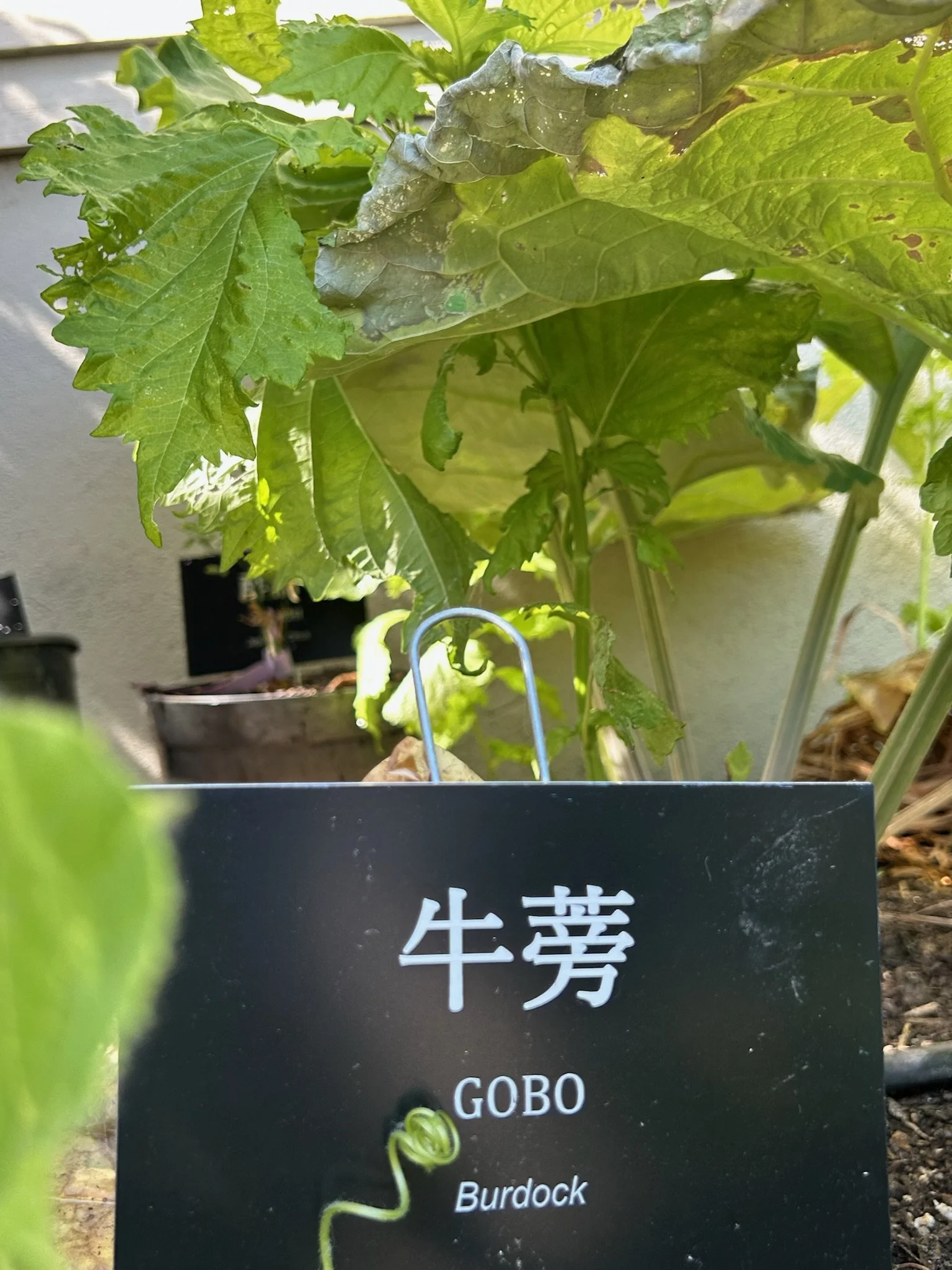
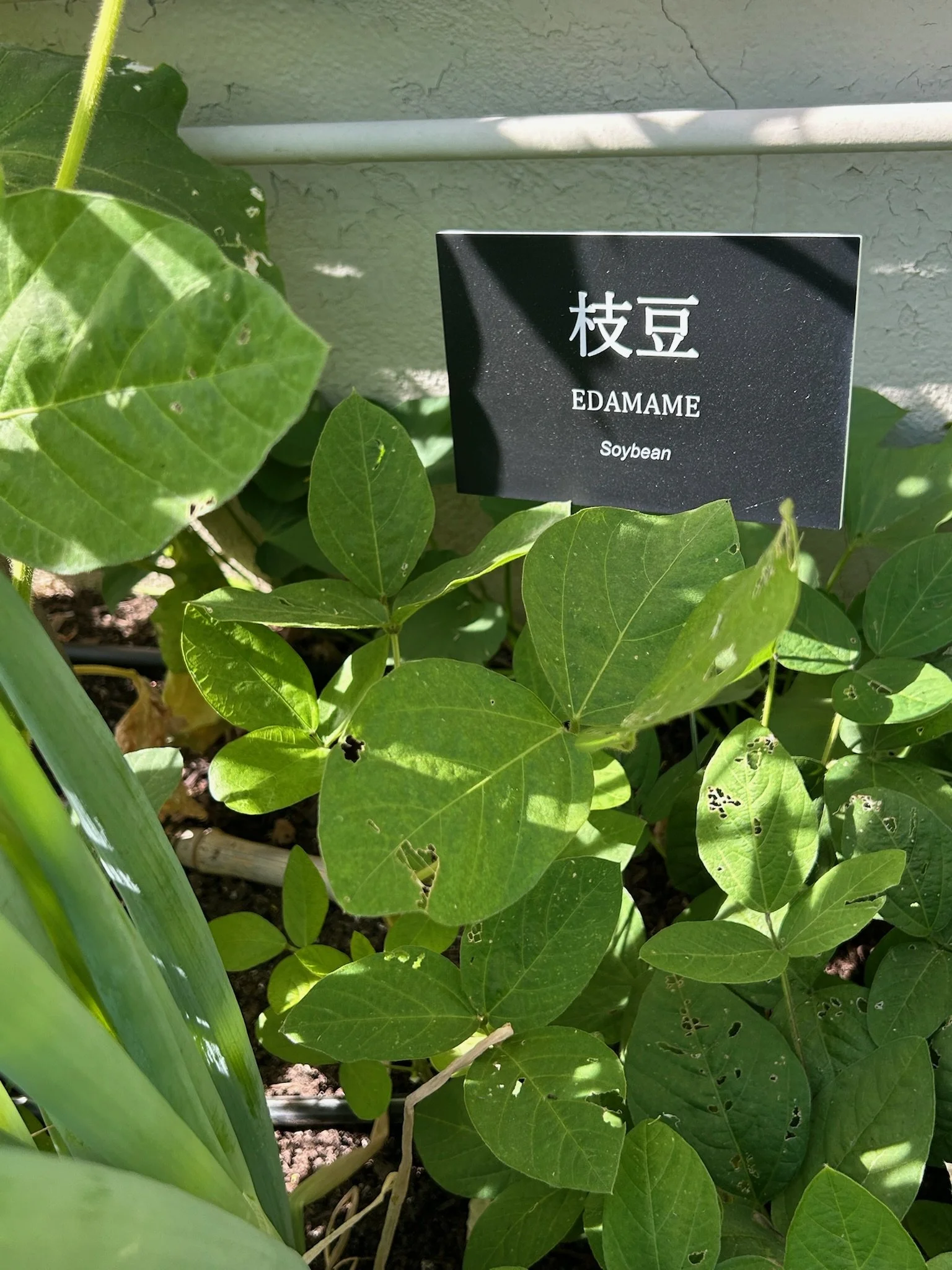
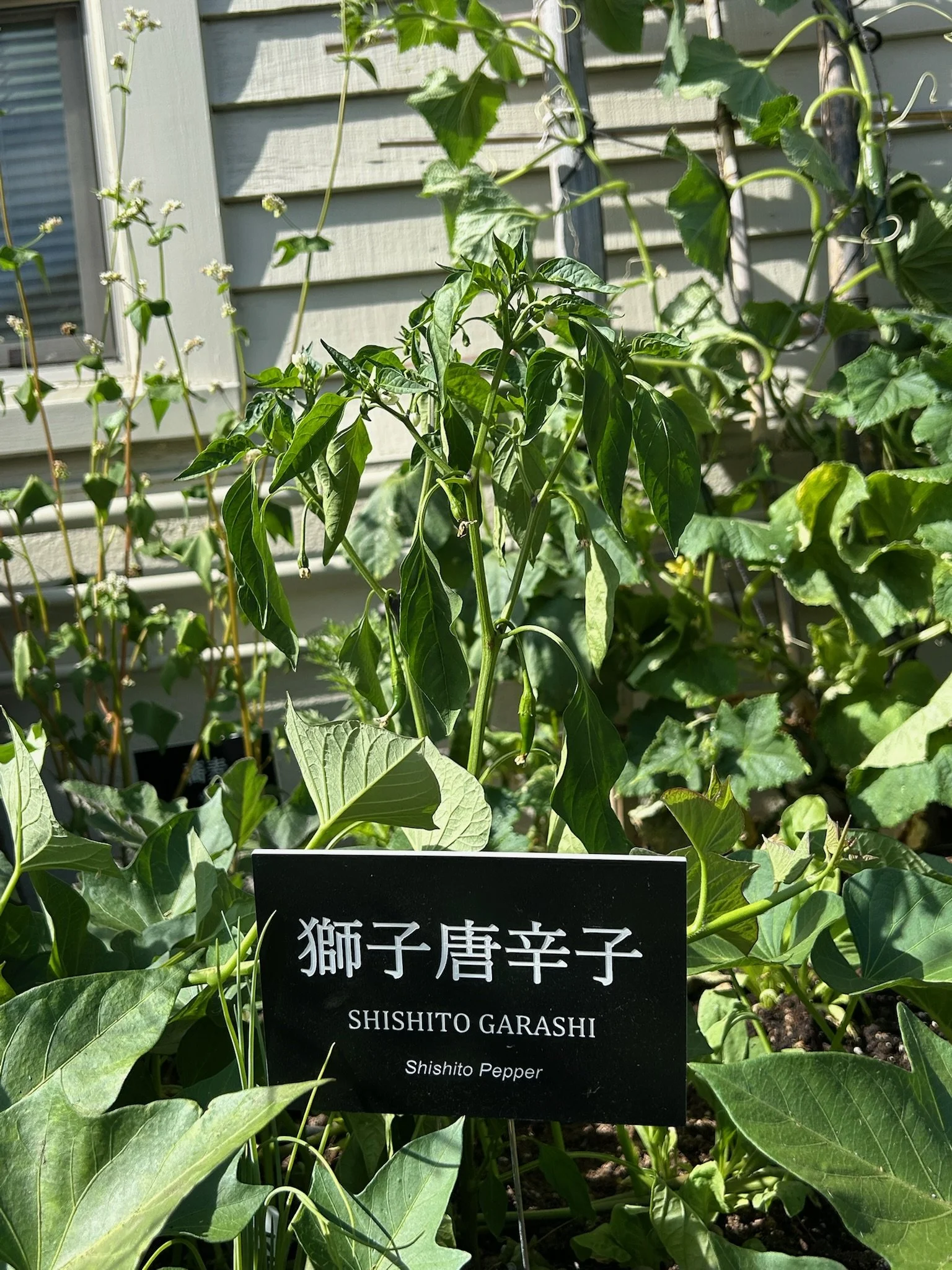
Ikoi No Kai clearly means a great deal to many people. I think they are an incredible model for what authentic community spaces can be.
Henry, Luna, and Estrella Soto - Sotoi Farms
I’ve postponed sharing this interview due to the unexpected passing of one of the interviewees.
Luna Soto is an incredible inspiration to myself and many others.
If and when it feels right, the recording will be made available to honor her legacy.